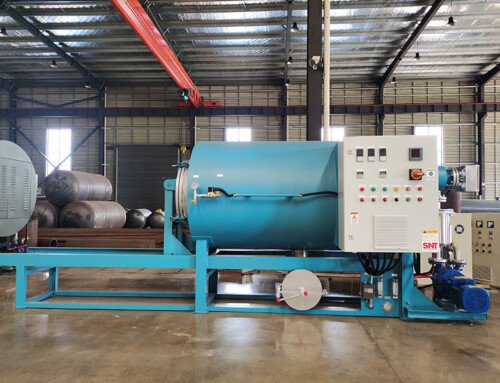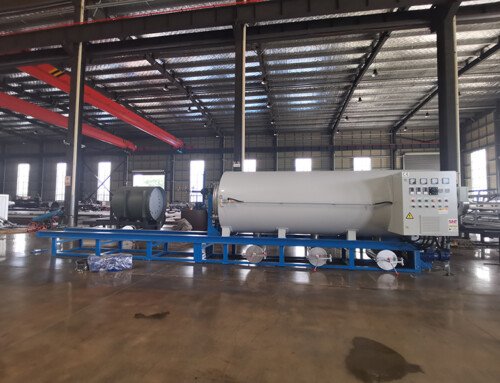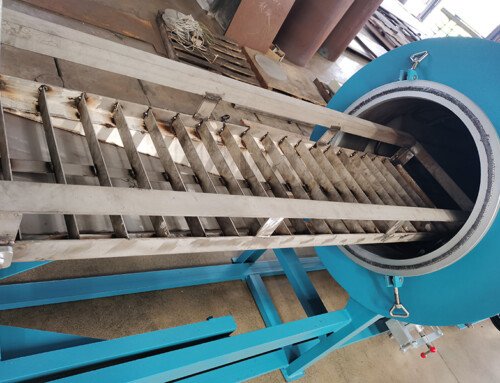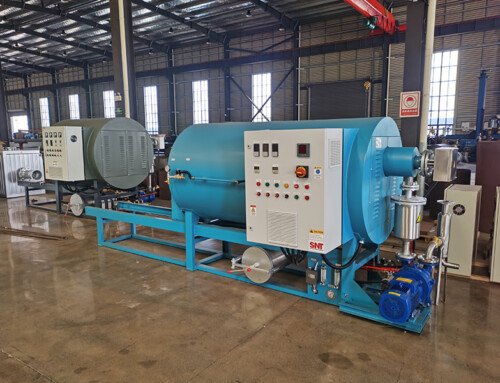
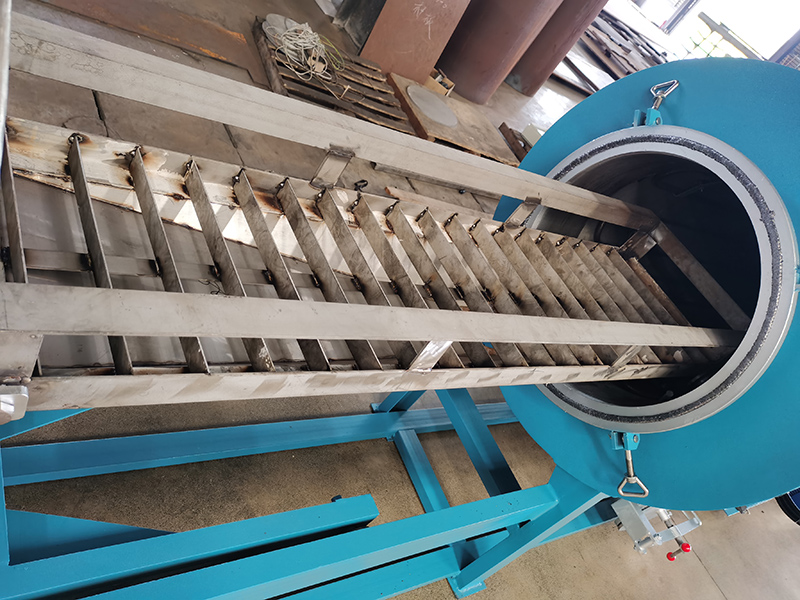
Screw Cleaning Furnace for Injection Molding: How to Pick the Right Machine for Your Shop
Every injection molding operation hits the same wall eventually — the screw is caked with carbonized polymer, color contamination, and degraded additives that no amount of purging compound can fully remove. When that happens, you need more than a chemical flush. You need heat, vacuum, and time working together in a controlled environment. That is exactly what a screw cleaning furnace does. But not every furnace is built for the same job. Picking the wrong one means wasted cycles, damaged screws, or cleaning results that still leave you pulling black specks out of your first shot after restart.
The selection process is not about finding the biggest or the most expensive unit. It is about matching the furnace to your specific contamination profile, your screw geometry, and your production schedule. Here is how to do it right.
What Makes Injection Molding Screw Cleaning Different From Other Applications
The Contamination You Are Actually Fighting
Injection molding screws accumulate a unique blend of gunk. You have carbonized polymer from thermal degradation, pigment residue from color changes, and sometimes glass fiber buildup if you run reinforced compounds. This is not the same as the thin film of polymer left on a fiber spinneret. Injection molding contamination is thick, layered, and often bonded to the metal surface at a molecular level.
A furnace designed for fiber industry spinnerets — which typically operate around 500°C in vacuum — can handle injection molding waste, but only if it is sized and controlled correctly. The key difference is that injection molding screws often have tighter tolerances, nitride surface coatings, and bimetallic constructions that are far more sensitive to thermal shock than a standard spun pipe. You need a machine that ramps slowly, holds precisely, and cools under vacuum without punishing the screw metallurgy.
Why Resin Purging Alone Falls Short
Most shops rely on purging compounds or even raw resin to clean between color changes. That works for light contamination. But once carbonization sets in — usually after a weekend shutdown or a prolonged run of dark material — purging compounds just push the problem around. They coat the carbon layer with fresh polymer instead of removing it. When you restart, that coated carbon flakes off and contaminates your first several hundred shots.
A vacuum cleaning furnace solves this by thermally decomposing the waste at 450 to 550 degrees Celsius in an oxygen-free environment. The polymer breaks down into volatile gases that the vacuum system pulls out, leaving the screw surface chemically clean. No coating. No residue. Just bare metal ready for the next run.
Core Selection Parameters That Actually Matter
Temperature Control Precision Is Non-Negotiable
This is the single most important spec on the entire machine. Injection molding screws are typically made from 4140 H.T. steel with tolerances as tight as 0.03 millimeters. A temperature swing of even 10 degrees can mean the difference between clean metal and a warped screw.
Look for a furnace with PID-controlled heating zones and temperature accuracy of plus or minus 3 degrees Celsius or better. Some manufacturers quote plus or minus 5 degrees, which sounds close enough until you realize that at 500 degrees, a 5-degree overshoot accelerates oxidation and can damage nitride coatings. Machines with Japanese-made temperature controllers and solid-state switching circuits tend to hold tighter tolerances than those with basic mechanical thermostats.
The heating profile matters just as much as the peak temperature. You want a multi-stage ramp — slow climb through the decomposition range, a hold at peak temperature to finish breaking down heavy carbon, and then a controlled cool-down. A furnace that goes from room temperature to 500 degrees in ten minutes is asking for thermal shock damage.
Vacuum Performance Determines Clean Quality
The vacuum system is what separates a real cleaning furnace from a glorified oven. You need a vacuum level of 10 Pascals or lower, with pump-down time under 30 minutes. At this vacuum level, oxygen is essentially eliminated, which means the waste decomposes cleanly without oxidative burning.
Dry screw vacuum pumps are the right choice for injection molding applications. Oil-sealed rotary vane pumps can backstream vapor into the chamber, contaminating the screw surface you just spent hours cleaning. A dry pump with ISO VG100 grade oil, changed every 500 hours, will hold vacuum consistently and keep your chamber clean.
If the furnace cannot reach below 10 Pa, you will see smoke inside the chamber during the clean cycle. That smoke is incomplete combustion — and it means soot is redepositing on your screw instead of being pulled out.
Chamber Material and Construction
The inside of a screw cleaning furnace takes a beating. Carbon deposits, acidic decomposition byproducts, and thermal cycling all attack the chamber walls. 310S stainless steel is the standard for the inner lining because it resists high-temperature oxidation and does not flake or scale. Cheaper 304 stainless will degrade within months under cleaning conditions, shedding particles that land right back on your screws.
Chamber size should match your throughput. A 500-liter chamber handles 1 to 3 kilograms per cycle — fine for a small shop cleaning a handful of screws between color changes. A 1000-liter chamber handles 5 to 10 kilograms per batch and suits mid-scale operations running daily waste streams. Anything above 1500 liters is for high-volume operations generating 50 kilograms or more of waste material per day.
Matching Furnace Capacity to Your Real-World Workload
Small Shop, High Mix
If you are running 20 different colors a week on 3 or 4 machines, you do not need a massive industrial furnace. You need a compact unit with fast cycle times — under 2 hours per clean — and a small chamber that heats up quickly. A 500-liter unit with a 2-kilogram capacity lets you clean one screw at a time without wasting energy heating empty space. Look for PLC-controlled programs that let you save different temperature profiles for different materials. Nylon burns off at a lower temperature than polycarbonate, and you do not want to cook a PC screw at 550 degrees.
Mid-Scale Operation With Daily Waste
For shops generating 10 to 50 kilograms of waste per day, a 1000-liter chamber is the sweet spot. These units handle 5 to 10 kilograms per batch and can run multiple cycles per shift. The key feature to look for here is modular heating — independent zones that let you adjust the temperature profile along the length of the screw. The feed section, compression section, and metering section all see different thermal loads during a clean cycle. A furnace with zone-by-zone control cleans more evenly and protects the screw geometry.
High-Volume Continuous Cleaning
When waste volume exceeds 50 kilograms per day, you need a large custom furnace or a system designed for near-continuous operation. Chamber sizes of 1500 liters or more, paired with high-capacity vacuum pump groups, become necessary. Some advanced setups support continuous feeding where waste is loaded, cleaned, and unloaded without breaking vacuum — cutting cycle time by up to 40 percent compared to batch processing.
Maintenance Habits That Keep the Furnace Working
Vacuum Pump Care Is Everything
The vacuum pump is the first thing to fail if you neglect it. Change the pump oil every 500 hours. Run an air-tightness test every 1000 hours. A leaking pump means longer pump-down times, higher residual oxygen in the chamber, and incomplete waste decomposition. Over a year, poor pump maintenance can add 30 percent more to your operating costs through extended cycle times alone.
Heating Elements and Sensor Calibration
Dust and carbon buildup on heating elements reduces thermal efficiency. Clean the elements monthly and calibrate temperature sensors every quarter. A sensor drifting by even 5 degrees can mean the difference between a clean screw and a scorched one. For waste cleaning, where you are already pushing temperature limits, this precision is not optional.
Chamber Cleaning Schedule
Every cleaning cycle leaves behind some residue on the chamber walls. Over time, this builds up and acts as insulation, reducing heat transfer efficiency. A quarterly deep clean of the chamber interior — mechanical scraping followed by a high-temperature burn-off cycle — keeps the furnace performing at spec. Skipping this step means your energy bills climb and your cleaning quality drops, month after month.
Common Selection Mistakes That Cost You Money
Ignoring the Screw Material
Not all screws are the same. A bimetallic screw with a hardened flight surface reacts differently to heat than a full-hardened 4140 screw. Nitride-coated screws are especially sensitive — they start degrading above 550 degrees. If your furnace runs hot or has poor temperature uniformity, you will strip that coating and shorten the screw life by half. Always match the furnace temperature range to your screw specification, not the other way around.
Choosing Based on Chamber Size Alone
A bigger chamber does not mean better cleaning. If the vacuum system is undersized for the chamber volume, you will never reach the target vacuum level, no matter how large the space is. Always check the pump capacity relative to chamber volume. A good rule of thumb: the pump should be able to pull the chamber down to target vacuum in under 30 minutes. If it takes an hour, the pump is too small for that chamber.
Skipping the Cool-Down Protocol
Always shut off the heating first and let the system cool naturally to below 40 degrees Celsius before breaking vacuum. Rushing this step causes thermal shock — the sudden pressure change can crack chamber seals, warp door gaskets, and even bend thin-walled screws. One impatient operator can cause ten thousand dollars in damage in thirty seconds.