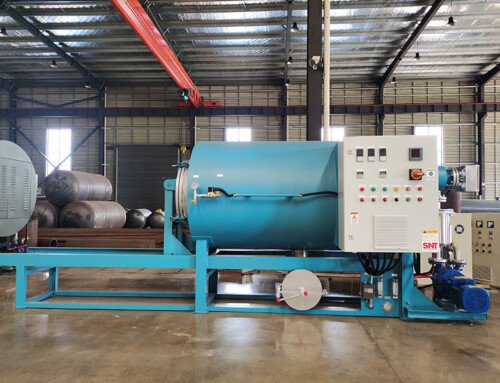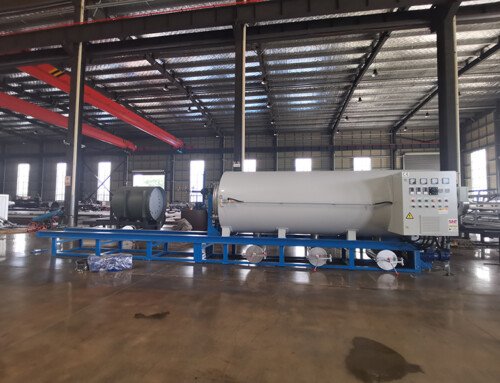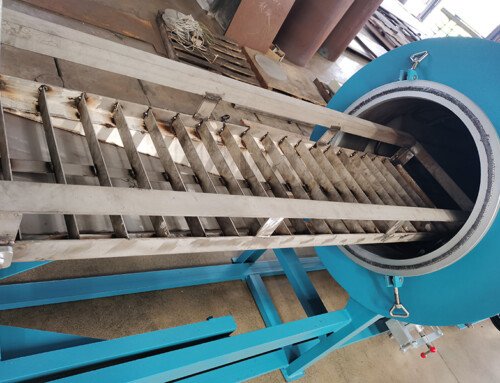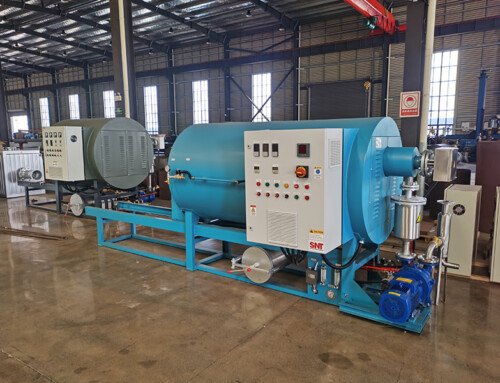
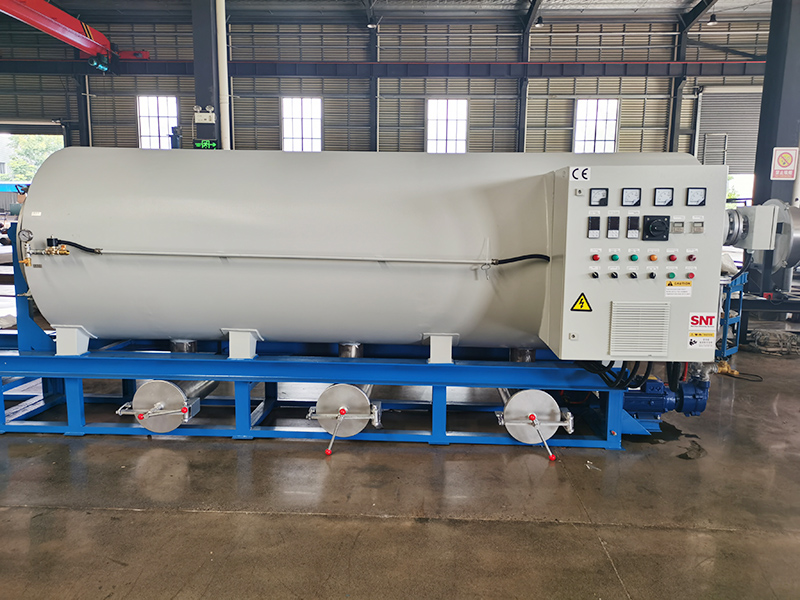
Screw Cleaning Furnace Waste Material Cleaning: How to Pick the Right Machine for the Job
Cleaning screws and barrels with waste material is one of the dirtiest jobs in plastic processing. You are not just removing color — you are battling carbonized polymer, degraded additives, and layers of contamination that have baked onto metal surfaces over thousands of heat cycles. A vacuum cleaning furnace designed for this task needs to do more than just get hot. It needs to decompose stubborn waste at the right temperature, pull vapors out fast enough to prevent re-deposition, and handle the messy reality of processing scrap without destroying the equipment.
Getting the selection wrong means either a furnace that cannot handle the load or one that costs a fortune to run. Here is how to match the machine to the waste.
Why Waste Material Cleaning Is a Different Beast
The Contamination Profile Changes Everything
Waste material is not the same as production scrap. It has been through multiple heat cycles, often mixed with different polymers, fillers, and colorants. When it sits in a screw or barrel, it does not just sit there — it carbonizes. The result is a hard, glass-like layer bonded to the metal surface that resists ordinary cleaning.
A furnace built for routine color changes will choke on this. You need a machine that can push temperatures to 450–550°C in a vacuum environment, where the lack of oxygen prevents the waste from simply burning and creating more smoke. The polymer breaks down into volatile gases that the vacuum system pulls out, leaving the screw surface clean.
Throughput Matters More Than You Think
Waste cleaning is not a five-minute job. A heavily contaminated screw can take 2 to 4 hours to clean properly, depending on the severity of carbon buildup. If your furnace processes 5 kg per batch and you have 20 kg of waste to clear, you are looking at multiple cycles. This is where chamber size becomes critical. Undersized chambers force you to run more batches, killing your uptime. Oversized chambers waste energy heating empty space.
Core Selection Parameters for Waste Material Applications
Temperature Control Precision
This is non-negotiable. Waste polymers decompose in a narrow temperature window. Too low and the carbon doesn’t break down. Too high and you risk damaging the screw metallurgy — most screws are made from 4140 H.T. steel with tolerances as tight as 0.03 mm. A furnace with temperature control of ±3°C or better ensures you stay in the sweet spot. Machines that swing ±10°C or more will either leave residue behind or warp your screws over time.
Vacuum Performance
The vacuum system is what separates a proper cleaning furnace from a glorified oven. You need a vacuum level of 10 Pa or lower, with pump-down time under 30 minutes. At this vacuum level, oxygen is essentially eliminated, which means the waste decomposes cleanly without oxidative burning. Poor vacuum performance lets air leak in, creating smoke, re-depositing contaminants, and extending cycle times dramatically.
For screw cleaning specifically, look for units equipped with dry screw vacuum pumps rather than oil-sealed rotary vane pumps. Oil-sealed systems can backstream vapor into the chamber, contaminating the screw surface you just spent hours cleaning.
Chamber Material and Construction
The interior of a waste cleaning furnace takes a beating. Carbon deposits, acidic decomposition byproducts, and thermal cycling all attack the chamber walls. 310S stainless steel is the gold standard for the inner lining — it resists high-temperature oxidation and does not flake or scale. Cheaper alternatives using 304 stainless will degrade within months under waste cleaning conditions, shedding particles that land right back on your screws.
Matching Furnace Capacity to Your Waste Volume
Small-Scale Operations: Lab and Pilot Work
If you are cleaning a handful of screws or running small batches of waste from R&D trials, a compact benchtop unit with a 500L chamber is sufficient. These machines typically handle 1–3 kg per cycle and are designed for flexibility rather than volume. They work well for changing between experimental materials where waste accumulation is moderate.
The tradeoff is cycle time. Smaller chambers have less thermal mass, which means they heat up and cool down faster — good for quick turns but not ideal when you are staring at a screw caked with weeks of carbonized waste.
Mid-Scale Production: Daily Waste Streams
For operations generating 10–50 kg of waste material per day, a medium industrial furnace with a 1000L chamber is the practical choice. These units handle 5–10 kg per batch and can run multiple cycles per shift without overheating. Look for PLC-controlled multi-stage heating programs — you want the ability to ramp slowly through the decomposition range, hold at peak temperature, then cool under vacuum. This prevents thermal shock to the screws and ensures complete breakdown of heavy carbon layers.
Large-Scale and Continuous Operations
When waste volume exceeds 50 kg per day, you need a large custom furnace or a system designed for near-continuous operation. Chamber sizes of 1500L or more, paired with high-capacity vacuum pump groups, become necessary. Some advanced setups support continuous feeding where waste is loaded, cleaned, and unloaded without breaking vacuum — cutting cycle time by up to 40 percent compared to batch processing.
Critical Maintenance Points That Determine Long-Term Performance
Vacuum Pump Care
The vacuum pump is the heart of the system and the first thing to fail if neglected. Change the pump oil every 500 hours — ISO VG100 grade is the standard recommendation. Run an air-tightness test every 1000 hours. A leaking pump means longer pump-down times, higher residual oxygen in the chamber, and incomplete waste decomposition. Over a year, poor pump maintenance can add 30 percent more to your operating costs through extended cycle times alone.
Heating Element and Sensor Calibration
Dust and carbon buildup on heating elements reduces thermal efficiency. Clean the elements monthly and calibrate temperature sensors every quarter. A sensor drifting by even 5°C can mean the difference between clean screws and scorched ones. For waste cleaning, where you are already pushing temperature limits, this precision is not optional.
Chamber Cleaning Schedule
Every waste cleaning cycle leaves behind some residue on the chamber walls. Over time, this builds up and acts as insulation, reducing heat transfer efficiency. A quarterly deep clean of the chamber interior — using mechanical scraping followed by a high-temperature burn-off cycle — keeps the furnace performing at spec. Skipping this step means your energy bills climb and your cleaning quality drops, month after month.
Common Mistakes That Waste Money and Time
Ignoring the Waste Composition
Not all waste is the same. PVC-laden waste releases hydrochloric acid at high temperatures, which eats through chamber linings and pump internals. Fluoropolymer waste requires even higher temperatures to decompose. Before selecting a furnace, analyze what kind of waste you are actually processing. A machine rated for general polymer waste will corrode from the inside out if you feed it PVC scrap daily without proper consideration.
Skipping the Cool-Down Protocol
Always shut off the heating first and let the system cool naturally to below 40°C before breaking vacuum. Rushing this step causes thermal shock — the sudden pressure change can crack chamber seals, warp door gaskets, and even bend thin-walled screws. One impatient operator can cause ten thousand dollars in damage in thirty seconds.
Treating All Screws the Same
A screw that has run 500 hours of production waste is not the same as one that has run 5000 hours. Heavily degraded screws may need pre-soaking in a solvent or a lower-temperature bake cycle before the main vacuum cleaning. Forcing a heavily carbonized screw into a full-temperature cycle risks cracking the nitride surface layer. Match the cleaning program to the screw condition, not just the waste type.