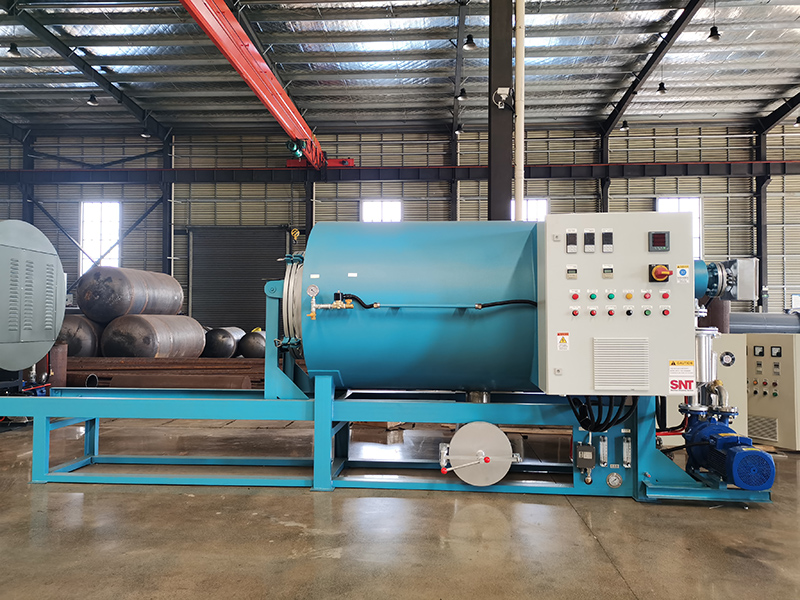
How to Choose the Right Screw Cleaning Furnace for Your Extrusion Operation
Carbon buildup on extrusion screws is not a nuisance — it is a production killer. When polymer residues char and harden inside the screw channels, output drops, product quality swings wildly, and every hour of unplanned downtime costs real money. The cleaning furnace you pick determines whether you fight this battle effectively or keep losing it. Getting the selection right means understanding your process, matching the equipment to your throughput, and refusing to settle for “good enough.”
Why Most Extrusion Shops Get Furnace Selection Wrong
The default mistake is buying the cheapest unit that technically works. Operators end up with a machine that either cannot reach the temperatures needed to crack stubborn carbon, or one that blasts the screw with uncontrolled heat and leaves it oxidized, warped, and weaker than before. Another common error is oversizing — a massive chamber running half-empty wastes energy every single cycle. Undersizing is just as damaging: you cannot fit all your screws and filter screens, so you run multiple batches and kill your productivity.
The right furnace sits at the intersection of three things: what you are cleaning, how much you clean per day, and how precisely you need to control the process. Anything else is guesswork.
Core Selection Criteria That Actually Matter
Chamber Volume Must Match Your Daily Throughput
This is the first number to lock down. For shops running 50 to 100 cleaning cycles per day, a 500-liter chamber handles the load comfortably. Once you exceed 100 cycles daily, step up to 1000 liters or larger. The logic is simple: a furnace that is too small forces you to queue parts and idle the line. A furnace that is too large burns energy heating empty space. Match the volume to your real daily cleaning volume, not your peak theoretical number.
Vacuum Level and Temperature Precision Are Non-Negotiable
Look for a system that holds vacuum at or below 10 Pa and controls temperature within ±5°C. These two specs directly decide whether carbon gets fully pyrolyzed or whether you are left with half-burned residue that flakes off into your next production run. The vacuum level matters because low oxygen content protects the screw’s metal structure. At high temperatures with plenty of oxygen, the screw surface oxidizes, turns dark, and loses mechanical strength. A tight vacuum keeps the metal bright and the dimensions intact.
Temperature precision matters because polymer pyrolysis has a narrow sweet spot. Below 300°C, most residues soften but do not fully crack. Above 500°C with oxygen present, you risk damaging the screw surface. The furnace must hold a programmable curve — ramp slowly, soak at the target, cool under control — and a PLC or DCS control system makes this repeatable cycle after cycle.
Automation and Program Control Separate Serious Equipment from Toys
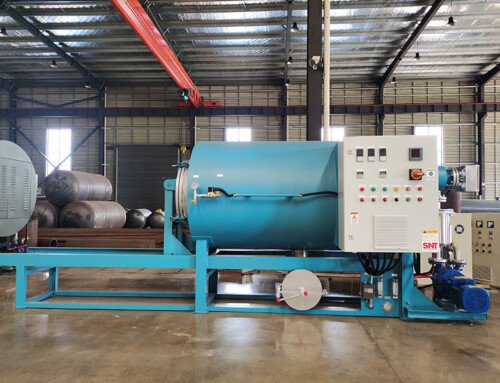
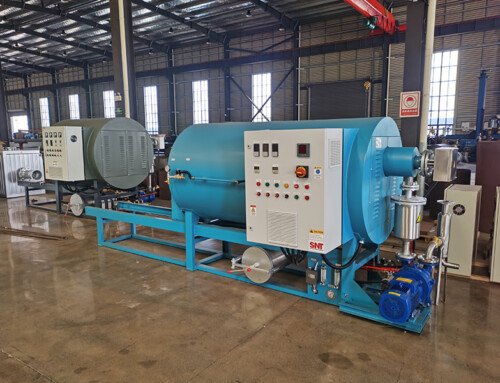
Manual furnaces require an operator to watch temperature gauges and guess when to switch phases. That is how you get inconsistent results. A proper system runs the entire sequence automatically:抽真空, heat, soak, cool, vent. Segmented heating curves prevent thermal shock. Multiple safety interlocks — over-temperature shutoff, dual pressure relief valves — protect both the equipment and the people nearby. If the furnace cannot run a full cleaning cycle unattended, it is not ready for a continuous production environment.
Cleaning Method Comparison: What Works Best for Extrusion Screws
Vacuum Pyrolysis Beats Every Traditional Method
Open-flame baking is the oldest trick in the book, and it is the most destructive. Direct flame can push local temperatures past 3000°C, which destroys the screw’s metallurgical structure, warps the shaft, and ruins surface tolerances that are often held to 0.03mm or tighter. Chemical cleaning with TEF or salt baths leaves residues, creates hazardous waste, and cannot reach into the deep screw channels. Fluidized bed cleaning works for simple shapes but struggles with the complex geometry of intermeshing twin-screw elements.
Vacuum pyrolysis solves all of this. The sealed chamber is evacuated first, cutting oxygen to near zero. Then a controlled amount of fresh air is introduced, and the temperature is held precisely in the 300 to 500°C range. The polymer residue does not burn violently — it cracks and chars in a controlled thermal decomposition. The screw comes out with its metal surface largely intact, threads sharp, and dimensions preserved. Cleaning efficiency improves by over 30 percent compared to conventional methods, and there is zero open flame, zero chemical waste, and no oxidation damage.
When to Consider Water-Based or Resin-Based Cleaning Instead
Not every situation needs a furnace. For light contamination or routine purge cycles between material changes, resin-based cleaning using polyester or epoxy purge compounds works well. The resin melts, mixes with the residue, and flushes it out mechanically. For screws that have not yet developed hard carbon, specialized cleaning agents can soften and peel deposits without any heat at all. These methods are cheap and fast but they fail completely once carbon has hardened. Know which stage of fouling your screw is in, and match the method to the severity.
Operational Factors That Affect Your Long-Term Costs
Maintenance Schedule Determines Whether the Furnace Lasts Five Years or Two
A vacuum cleaning furnace is not a “set it and forget it” appliance. The vacuum pump oil needs replacement every 500 hours — ISO VG100 grade is the standard recommendation. Pump airtightness should be tested every 1000 hours to ensure vacuum levels do not drift. Heating elements accumulate dust and lose efficiency; clean them monthly and calibrate temperature sensors quarterly, keeping error within ±1°C. The PLC program should be backed up regularly, and control panel contacts checked for looseness. Skipping these steps turns a precision instrument into a liability.
Energy Consumption Varies Wildly Between Designs
Two furnaces with the same chamber size can differ by 20 to 30 percent in power draw depending on insulation quality, heating element placement, and vacuum system efficiency. Over 300 operating days per year, that gap translates into tens of thousands of kilowatt-hours. Factor energy consumption into your selection, not just the purchase decision. A furnace that costs more upfront but uses significantly less electricity pays for itself within the first year.
Track Every Cycle to Catch Drift Early
Record vacuum level, temperature curve, and processing time for every cleaning run. When results start to vary — say, the screw comes out dirtier than it did last month — the logs tell you whether the problem is a worn pump seal, a drifting sensor, or a change in the residue chemistry. Without data, you are diagnosing blind.
Matching Furnace Type to Your Extruder Configuration
Single-Screw Setups Need Simpler Chambers
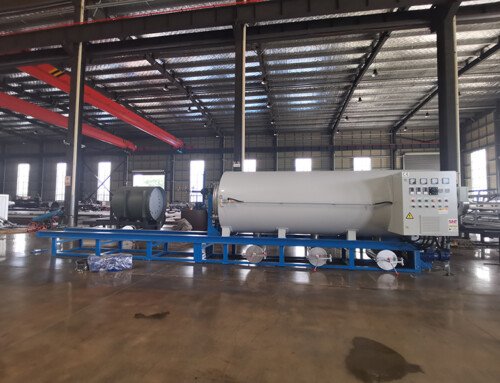
A standard single-screw extrusion line produces relatively uniform carbon deposits along the screw length. A horizontal or well-type vacuum furnace with a single loading zone handles this easily. You do not need the complexity of a multi-zone program unless you are switching between vastly different materials.
Twin-Screw and Co-Rotating Systems Demand More
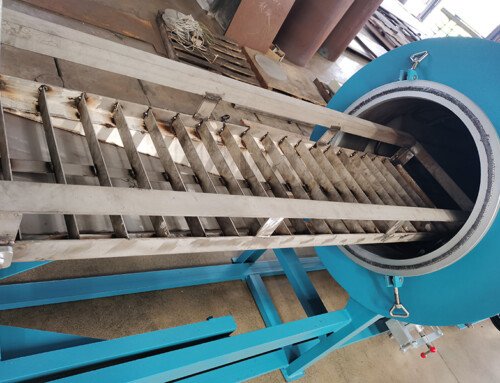
Intermeshing co-rotating twin-screw extruders have tight clearances, complex mixing elements, and dead zones where carbon hides. The cleaning furnace must accommodate the full screw assembly — both rotors, any kneading blocks, and the barrel sections if you pull them. Chamber height and width must clear the assembly with room to spare. A furnace with adjustable internal racks lets you position the screw at the optimal height for even heat exposure.
Reactive and High-Fill Compounds Change the Game
If you run filled nylons, flame-retardant compounds, or reactive polymers, the residue is harder and more chemically aggressive than standard polyethylene or polypropylene char. You need a furnace that can push past 500°C reliably, with a vacuum system robust enough to handle the off-gases. Look for configurations with water-spray exhaust treatment to capture acidic byproducts before they reach the vacuum pump.