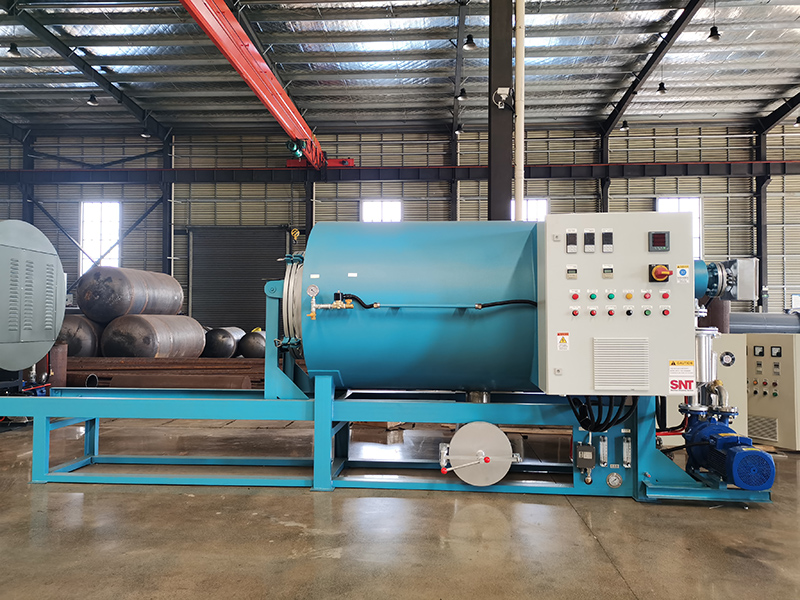
Single-Station Screw Cleaning Furnace: How to Pick the Right Machine Without Wasting Money
Cleaning extrusion screws the old-fashioned way — torch, wire brush, elbow grease — is a relic of the past. A single-station screw cleaning furnace does the job faster, cleaner, and without the fire hazard. But walking into the market blind is a recipe for buying a machine that either sits idle or burns through your budget on repairs.
The real question is not whether you need one. It is which single-station model actually fits your operation. That decision comes down to three things: what you are cleaning, how often you clean it, and what your floor can handle.
What a Single-Station Screw Cleaning Furnace Actually Does
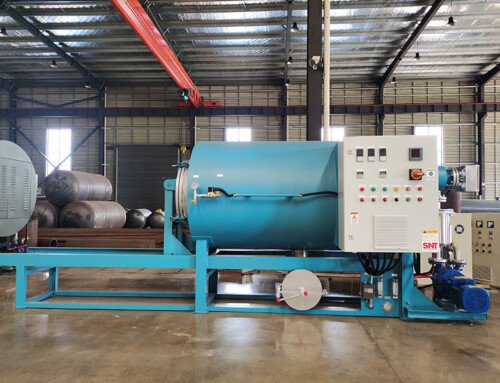
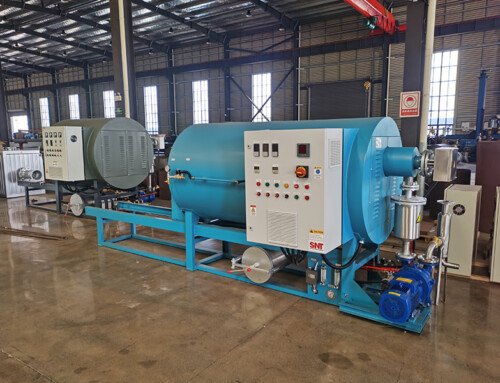
A single-station furnace heats a screw inside a sealed vacuum chamber. The vacuum pulls out volatile residues, and the high temperature cracks down carbon buildup, melted polymer, and contaminants that no solvent can touch. When the cycle ends, you pull out a screw that looks brand new — no scoring, no oxidation, no residue.
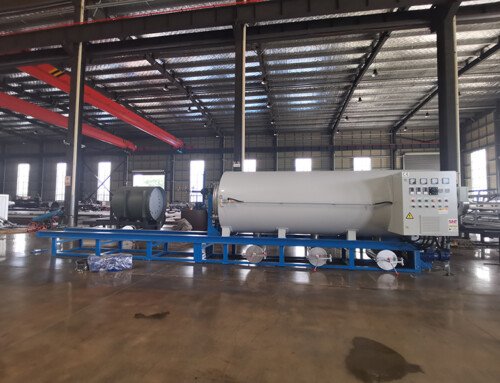
The single-station design means one chamber, one loading position, one cycle at a time. It is the simplest configuration. No conveyor belts, no rotary tables, no complex automation. You load, you run, you unload. For shops that clean screws a few times a week rather than dozens of times a day, this is the sweet spot.
Why Single-Station Beats Multi-Station for Most Shops
Multi-station machines promise higher throughput. They do. But if your operation only runs three to five cleaning cycles per week, a multi-station unit is overkill — you are paying for capacity you never use. A single-station furnace gives you everything you need at a fraction of the footprint and complexity. Fewer moving parts means fewer breakdowns. Simpler controls mean your operators learn it in an afternoon instead of a week.
The trade-off is speed. One cycle at a time. But for most extrusion shops, that pace is more than enough.
The Five Specs That Actually Matter When You Buy
Forget the marketing fluff. These five specifications are the only numbers that determine whether a single-station furnace will work for you or collect dust in the corner.
Temperature Control Precision
This is the single most important spec. If the furnace cannot hold temperature within plus or minus 3 degrees Celsius, you will get uneven cleaning. Some spots on the screw will be over-cooked while others are under-cooked. The result is inconsistent results — and eventually, a damaged screw.
Look for PID intelligent temperature control systems. Avoid anything that only gives you a rough dial setting. You need digital precision, not guesswork.
Vacuum Level and Pump-Down Time
The vacuum does the heavy lifting. It pulls volatile residues out of the screw threads and prevents oxidation during heating. A good single-station unit should reach 10 Pa or lower, and it should get there in under 30 minutes. If the pump-down takes an hour, you are losing productive time every single cycle.
Check what type of vacuum pump the machine uses. Screw vacuum pumps are the industry standard for this application — they are reliable, oil-free in dry-running configurations, and built to handle the corrosive vapors that come off a dirty screw.
Chamber Material and Interior Finish
The inside of the chamber takes a beating every cycle. Carbon deposits, melted polymer, acidic fumes — all of it attacks the interior surface. The best chambers use 310S high-temperature stainless steel. It resists corrosion, does not scale, and cleans easily. Cheaper units use ordinary stainless that pits and discolors within months.
Ask about the interior finish. A polished, smooth interior is easier to clean and lasts longer than a rough-welded one.
Heating Element Type and Zone Control
A furnace with a single heating zone will heat unevenly. Look for multi-zone temperature control — at least two zones, ideally three. This lets you ramp the temperature gradually, hold at a cleaning plateau, then cool down in a controlled way. Gradual heating prevents thermal shock to the screw, which is especially important for large-diameter screws or screws with complex geometries like mixing sections.
Electric heating tubes should meet explosion-proof standards if you are cleaning in a chemical or petrochemical environment. The national standard GB3836.1 through GB3836.3-2021 defines the requirements — make sure the machine complies.
Automation Level
Even a single-station furnace should not require an operator to babysit it. The minimum you should expect is a PLC control system with preset cleaning programs. You select the program for your screw type, press start, and walk away. The machine handles heating, vacuum, hold time, cooling, and venting automatically.
Smart monitoring is a bonus. Real-time display of temperature, vacuum level, and cycle time lets you catch problems before they become disasters. Auto-alarm on vacuum leaks or temperature overruns protects both the machine and the screw.
How to Match the Furnace to Your Screw
Not every screw is the same, and not every furnace cleans every screw equally well. Matching the two saves you from frustration and wasted cycles.
Screw Diameter and Length
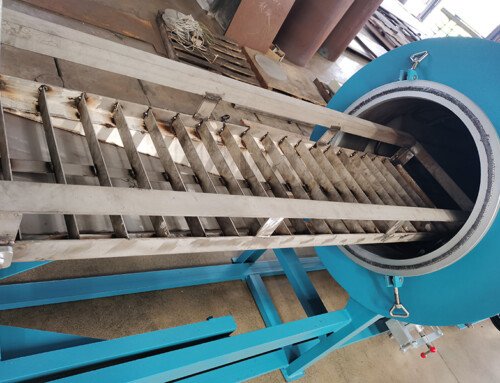
The chamber must physically fit your longest screw with room to spare. A common mistake is buying a furnace that fits the screw barely — then discovering that you cannot load it easily or that heat distribution is poor because the screw is pressed against the chamber wall.
Measure your longest screw. Add 20 to 30 percent clearance. That is your minimum chamber length. For diameter, most single-station furnaces handle screws from small laboratory extruders up to large industrial compounding screws. But verify the loading port width — some compact units cannot accept screws over a certain diameter.
Residue Type Determines Temperature Range
Light carbon buildup from polyethylene or polypropylene cleans at lower temperatures — around 400 to 500 degrees Celsius. Heavy carbon from engineering plastics, rubber compounds, or cross-linked materials may need 500 to 600 degrees Celsius or higher.
Make sure the furnace you are looking at can reach the temperature your worst-case residue requires. A machine that tops out at 450 degrees will leave your heavily contaminated screws dirty.
Throughput Needs Dictate Cycle Time
If you clean five screws a week, a 4-hour cycle is fine. If you clean twenty screws a week, you need a faster cycle — or a second furnace. Single-station machines typically run 3 to 6 hours per cycle depending on the program. Factor this into your weekly schedule. A machine that is too slow for your volume creates a bottleneck that negates the time savings of having the furnace in the first place.
The Hidden Costs Nobody Talks About
The purchase decision is only the beginning. The real cost of ownership lives in maintenance, energy, and downtime.
Vacuum Pump Maintenance Is Non-Negotiable
The vacuum pump is the heart of the machine. It needs oil changes every 500 hours of operation — use ISO VG100 grade oil, not whatever is cheapest. Every 1000 hours, run a leak test on the pump. If vacuum performance drops, the pump needs servicing before it fails completely.
A pump failure mid-cycle means the screw oxidizes. That screw is scrap. The cost of a new pump is nothing compared to the cost of a ruined screw.
Heating Element Lifespan Depends on How You Use It
Heating tubes degrade over time. Monthly cleaning of dust and residue from the tube surface extends life significantly. Quarterly calibration of temperature sensors keeps the control system accurate. A sensor that reads 10 degrees off will give you inconsistent cleaning — and you will not know it until you pull out a dirty screw.
Energy Consumption Adds Up Fast
Two furnaces with the same chamber size can have very different energy profiles. Look for machines with thick insulation layers — silicone aluminum insulation reduces heat loss dramatically. Multi-zone heating with staged power delivery uses less energy than a single brute-force heater. Over a year of operation, the difference in electricity costs can be substantial.
Installation and Safety Requirements You Cannot Ignore
A screw cleaning furnace is not a plug-and-play appliance. It is industrial equipment that requires proper installation.
Grounding and Seal Checks Before First Use
Before running the first cycle, verify that the equipment is properly grounded and that all vacuum line connections are sealed. A vacuum leak will not just slow the pump-down — it can cause the heating elements to overwork and burn out. Run a vacuum hold test before you ever put a screw in the chamber.
Cooling Protocol Protects the Machine
Never open the chamber while it is hot. The standard procedure is to shut off heating, let the system cool naturally to below 40 degrees Celsius, then break the vacuum. Opening a hot chamber to atmospheric pressure causes thermal shock — the rapid temperature change cracks seals, warps the chamber, and shortens the life of every component inside.
This sounds obvious. It is the most common way people destroy expensive equipment.
Ventilation for the Exhaust
Even with a vacuum system, some vapors escape during venting. These vapors can be toxic, smelly, or flammable depending on what was on the screw. Make sure the furnace is installed in a well-ventilated area or connected to an exhaust system. In chemical or petrochemical environments, explosion-proof ratings are mandatory — not optional.
What to Look for in a Supplier Without Looking for a Brand Name
You do not need a famous name. You need a supplier who stands behind the machine.
Warranty Terms Reveal Everything
A supplier who offers a 5-year warranty with free replacement of core components — heating tubes, vacuum pump, control system — is telling you they expect the machine to last. A supplier who offers 1 year with no coverage on core parts is telling you they expect it to break.
Read the warranty carefully. Core components should be explicitly listed. “Parts and labor” means nothing if the parts cost more than the machine.
Response Time Matters More Than You Think
When the vacuum pump fails on a Friday afternoon, you need someone on-site by Monday morning — not next month. Ask for a committed response time. 24-hour technical support and 48-hour on-site repair for remote areas is the minimum standard for industrial equipment. A delayed repair means lost production. One day of downtime on a busy extrusion line costs far more than the service contract.
Ask for a Full-Cycle Test Before Delivery
Every furnace should be tested through at least three complete simulated cycles before it leaves the factory. This catches seal leaks, sensor drift, and control glitches before the machine reaches your shop. If the supplier cannot or will not do this, walk away.
The Single-Station Decision in Plain Terms
If you clean screws weekly but not daily, a single-station furnace is the right call. It is simpler, cheaper, smaller, and easier to maintain than a multi-station system. But simple does not mean settling.
Demand precise temperature control. Demand deep vacuum. Demand a chamber built from 310S stainless. Demand PLC automation with preset programs. Demand a supplier who will be there when the pump dies on a Saturday night.
The machine that checks all those boxes will pay for itself within months — in clean screws, in saved labor, in avoided downtime, and in the quiet confidence that every screw you pull out is ready to run.