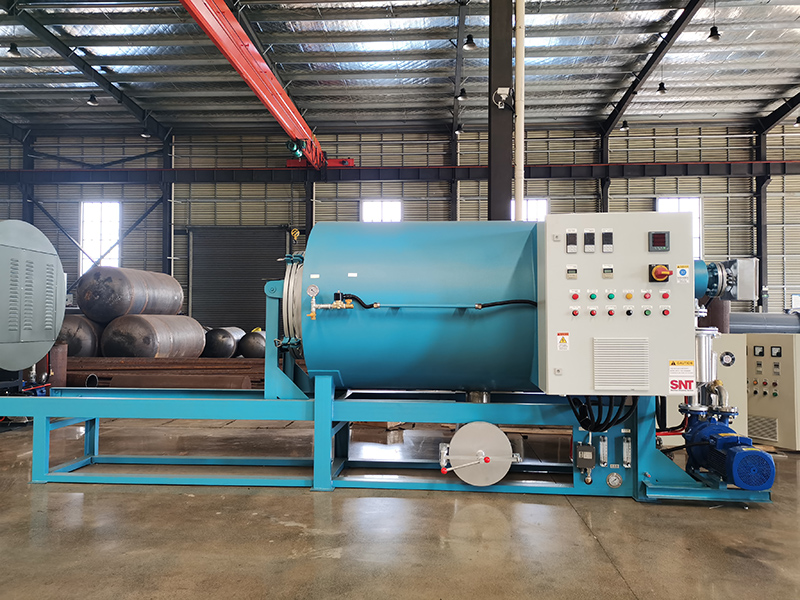
Screw Cleaning Furnace: High-Temperature vs Low-Temperature — What Actually Sets Them Apart
When it comes to cleaning screw extruders, spinnerets, molds, and filtration components, not all vacuum cleaning furnaces are built the same. The real dividing line? Temperature. High-temperature and low-temperature screw cleaning furnaces operate on fundamentally different principles, serve different industries, and deliver vastly different results. Let’s break down what matters.
How Each Type Actually Works
The core difference starts with the physics behind the cleaning process.
High-Temperature Vacuum Cleaning Furnace
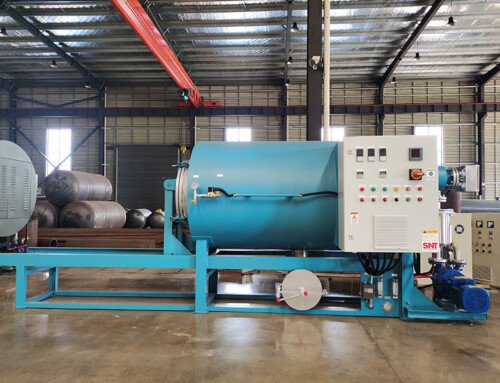
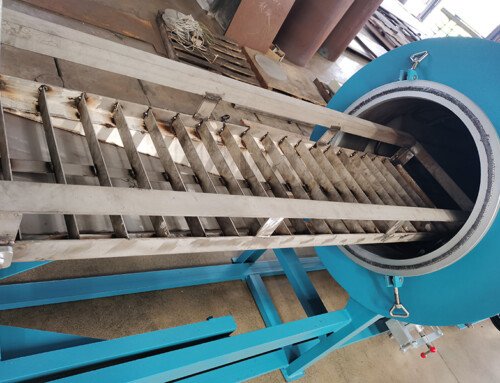
This is the heavy hitter. High-temperature units operate around 500°C in a vacuum environment. The principle is thermal cracking — polymer residues break down at high heat when oxygen is removed. The vacuum prevents combustion, so contaminants simply decompose into volatile gases that get pumped away. No solvents, no mess, no residue left behind on the workpiece surface.
This approach is especially common in the chemical fiber industry. Think spun plates, fine-denier spinnerets, filter cores, and mold heads from polyester, polypropylene, and non-woven production lines. The high heat does the dirty work by literally burning off the polymer buildup.
Low-Temperature Vacuum Cleaning Furnace
On the flip side, low-temperature units stay at or below 60°C. Instead of thermal cracking, they rely on vacuum to lower the boiling point of the cleaning medium. This means solvents or cleaning agents evaporate at much lower temperatures, penetrating tiny pores and removing oil, grease, and particulate contamination without damaging sensitive components.
The vacuum level typically reaches 10–100 Pa, sometimes as stable as ≤5 Pa for precision applications. These furnaces are the go-to for semiconductor wafer cleaning, pharmaceutical container degreasing, and any scenario where heat-sensitive parts can’t tolerate anything above 60°C.
Temperature Range and What It Means for Your Parts
The temperature gap between these two isn’t just a number — it changes everything about how cleaning happens and what gets cleaned.
| Factor | High-Temp Unit | Low-Temp Unit |
|---|---|---|
| Operating Temp | ~500°C | ≤60°C |
| Cleaning Mechanism | Thermal decomposition in vacuum | Reduced-boiling-point solvent evaporation |
| Residue Risk | Virtually zero | Near zero (with proper venting) |
| Workpiece Safety | Not for heat-sensitive materials | Safe for delicate components |
High-temperature furnaces eat through stubborn polymer carbonization that nothing else can touch. But if you throw a precision semiconductor part into a 500°C vacuum, you’ll destroy it. Low-temperature units protect those parts while still achieving contamination levels below 0.1μg/cm² — which is what the electronics and pharma sectors demand.
Industry Applications That Define the Choice
Where High-Temperature Wins
Chemical fiber manufacturing is the primary battlefield. Spinnerets get clogged with polymer melt over time, and only high-heat vacuum cleaning can restore full flow through those tiny holes without leaving any residue. The same applies to mold heads and filter cores in plastic extrusion lines. The process also extends component lifespan significantly — a major operational advantage.
Where Low-Temperature Wins
Semiconductor fabs, medical device manufacturers, and precision machining shops all need contamination-free surfaces without thermal stress. A low-temperature vacuum cleaning furnace handles batch sizes from 5–15 kg in electronics, or scales up to 200 kg/hour for battery component lines. The absence of chemical residue is critical here — no solvent means no risk of contamination in cleanroom environments.
Maintenance and Operational Differences Worth Knowing
The two types diverge sharply in upkeep.
High-temperature units deal with extreme thermal cycling. Heating elements need monthly dust clearing, and temperature sensors must be calibrated quarterly with accuracy within ±1°C to prevent uneven heating. The vacuum pump oil — typically ISO VG100 grade — requires replacement every 500 running hours, with airtightness checks every 1000 hours.
Low-temperature units focus on vacuum stability and pump care. The screw vacuum pump needs oil changes every 500 hours, and the control system (often PLC-based) requires regular program backups. Touchscreen panels and control buttons should be inspected for looseness to avoid unexpected downtime. The real performance metric here is vacuum fluctuation — staying within ±5 Pa for high-precision work.
So Which One Do You Actually Need?
It comes down to what’s sitting on your production floor. If you’re melting polymer through spinnerets or molds and dealing with carbonized buildup, high-temperature vacuum cleaning is the only real option. The 500°C vacuum environment does what no solvent ever could.
If you’re cleaning precision parts, wafers, or pharmaceutical containers where even 60°C feels too aggressive, the low-temperature route gives you surgical-level cleanliness without any thermal risk. The vacuum does the heavy lifting, not the heat.
Both are vacuum-based. Both leave zero chemical residue. But the temperature divide creates two completely different tools for two completely different jobs. Pick the wrong one, and you either don’t clean effectively or you destroy what you’re trying to save.