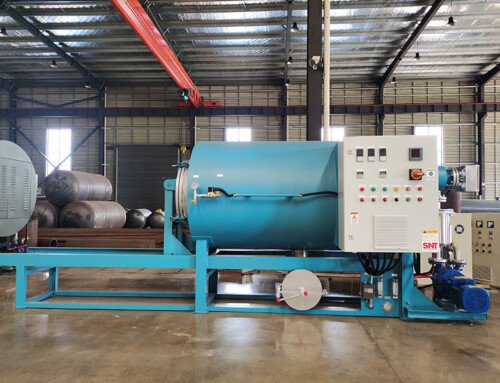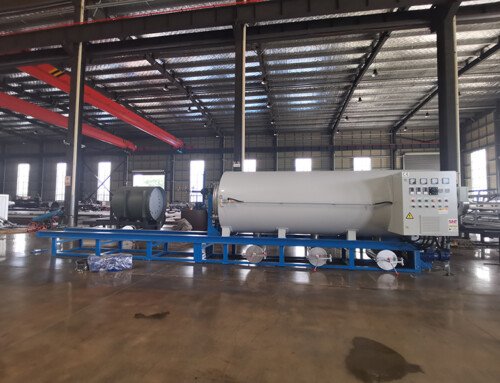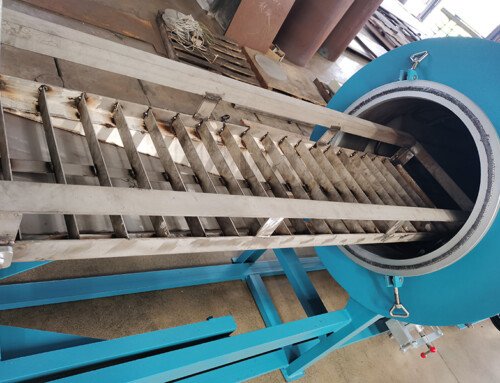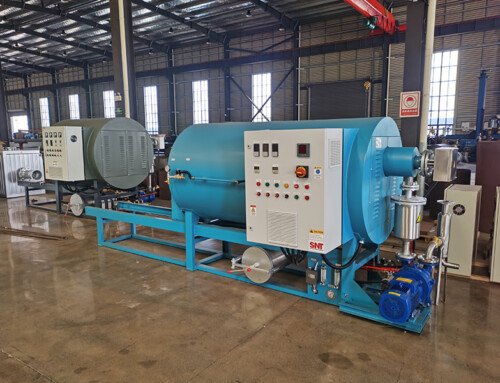
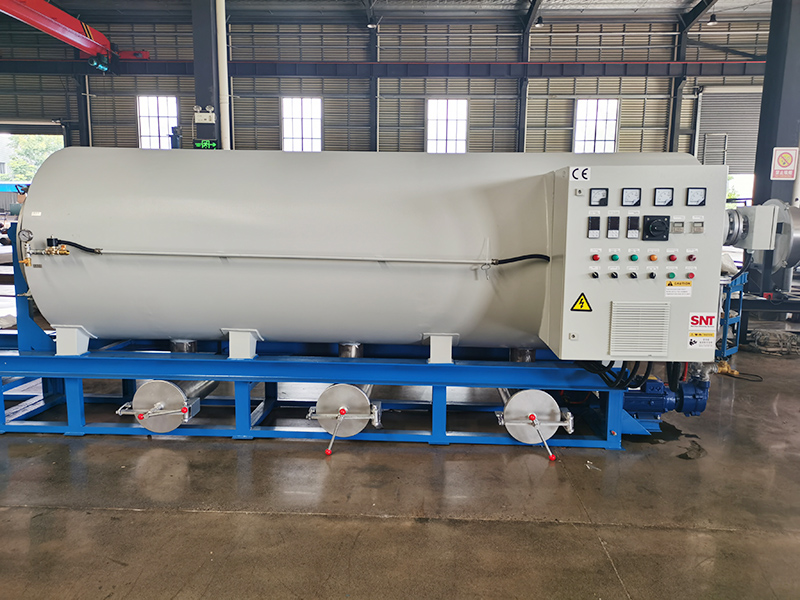
When your screw cleaning furnace has to stay in standby mode for hours or even days between production batches, improper operation will easily lead to unexpected material degradation, hidden carbon buildup and unnecessary energy loss that adds extra work to your next startup. Small missteps during this standby period often turn into long delays and extra cleaning work that no production team wants to deal with.
Pre-standby material purging before stopping full production flow
Before you switch the equipment to standby mode, first cut off the fresh material supply from the feeding hopper, and run the screw at a very low steady speed to push out most of the melted material left inside the barrel. Do not leave high-viscosity or heat-sensitive raw materials sitting inside the heated barrel for long standby hours, as these materials will start to break down and form hard carbon deposits once they stay at high temperature without flowing for too long. Keep the melt flowing slowly at a minimal rate for 10 to 15 minutes, until the extruded material shows a fully uniform texture without any uneven streaks or tiny impurity particles.
Temperature adjustment for long standby status
Lower the temperature of all barrel heating zones by 20 to 30 degrees Celsius compared to your regular production setting, never keep the full high production temperature running during the whole standby period. For areas near the die head and nozzle, you can keep the temperature slightly higher than other zones to prevent the residual melt from solidifying and blocking the small flow channels. Check the temperature readings of every heating zone every 30 minutes during the standby period, make sure no single zone overheats accidentally, which could trigger unexpected material degradation that will leave hard-to-remove residues on the screw surface.
Screw speed and pressure control during standby waiting
Keep the screw rotating at an ultra-low stable speed, generally controlled under 20 revolutions per minute, to maintain a slow and even flow of the remaining material inside the barrel. This slow rotation prevents the melt from staying completely static in the narrow gaps between screw flights, which is the most common spot where carbonized impurities start to form. Keep the system internal pressure at a very low stable level, do not maintain high backpressure during standby, as this will squeeze the melt into tiny hidden gaps where it will get stuck and degrade over time. If the standby time is expected to last more than 4 hours, you can run a short small-volume extrusion once every 1 hour to refresh the residual melt inside the barrel, avoiding long-time static material buildup.
Daily standby site and parameter logging
Assign a dedicated on-site operator to check the equipment status at regular intervals during the whole standby period, record the real-time temperature of each heating zone, screw rotation speed and system pressure in a log sheet. Mark down the exact start time of the standby period, the estimated remaining waiting time and the planned next startup time, so every team member on shift can get clear information without miscommunication. Keep the area around the die head clean, place a clean heat-resistant container under the die opening to catch any small amount of melt that drips out during the slow rotation, preventing hot material from piling up on the equipment surface and causing safety risks.
Startup transition operation after standby ends
15 to 20 minutes before you restart formal production, gradually raise the temperature of each heating zone back to your regular production setting, do not heat up all zones to full temperature at once, which could cause uneven thermal expansion of the barrel and screw. After all zones reach the target temperature, keep the screw running at the low standby speed for another 5 minutes, then gradually increase the rotation speed to the normal production level. Extrude and discard a small volume of melt first, check the extruded material for any discoloration or tiny impurity particles, before you reconnect the full material feeding system and start formal production.
Long standby protection for multi-day waiting periods
If the standby time will last longer than 24 hours, push out all residual melt completely from the barrel, then fill the inner space of the barrel with a stable, non-degrading transition material that will not break down under sustained heat. Seal all the openings of the hopper, die head and exhaust ports with clean non-woven fabric, to prevent dust and cold air from getting inside the barrel and causing oxidation on the screw metal surface. Turn off all unnecessary heating zones except for a minimal low-temperature maintenance setting, to cut down unnecessary energy consumption and avoid long-time high-temperature exposure of the empty screw surface. When you restart the equipment after this long standby period, run a short low-speed flushing process first, before you bring all parameters back to formal production levels.