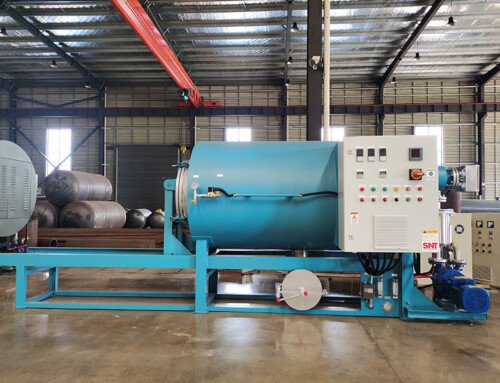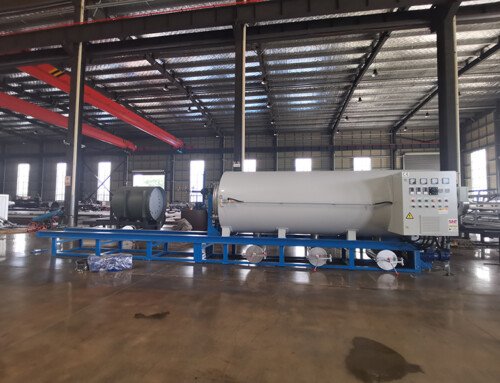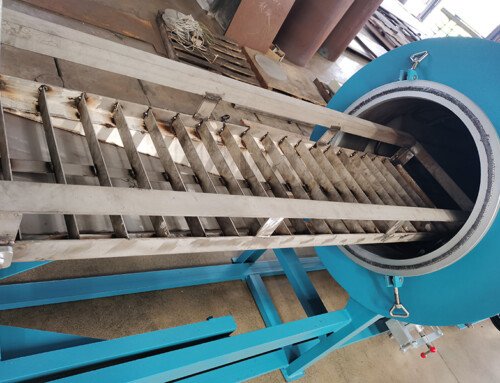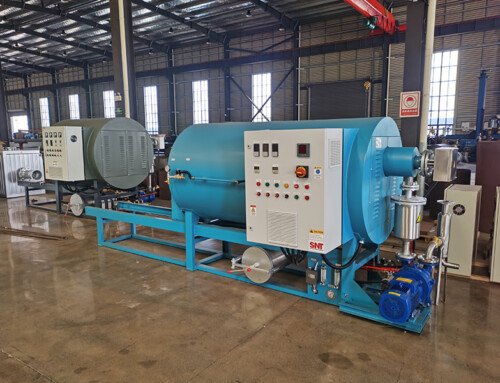
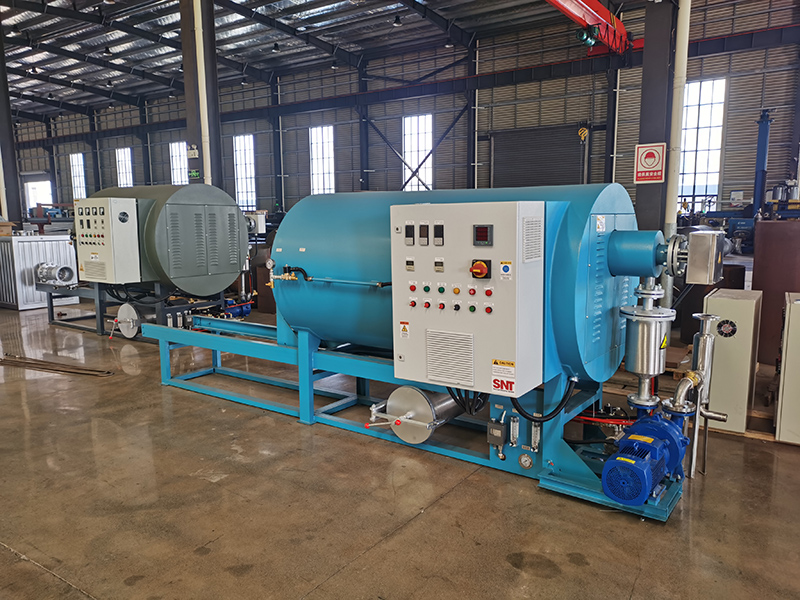
When operating a screw cleaning furnace in industrial settings, intermittent start-stop cycles are a common practice to cut unnecessary energy waste during short production pauses. Without the right handling, these frequent on-off shifts can lead to uneven heating, residual material buildup, and unexpected wear on core components. Small, consistent adjustments to your operating routine can make a huge difference in both equipment lifespan and cleaning performance, even when you need to pause and restart the unit multiple times across a single work shift.
Pre-Shutdown Adjustments For Intermittent Cycles
Before you trigger a temporary stop, never cut power directly to the main heating system. First, turn down the screw rotation speed to a low, steady range, and keep it running at that slow pace for 3 to 5 full minutes. This lets any residual softened material inside the barrel flow evenly toward the discharge point, so no thick, sticky residue gets trapped in narrow gaps between the screw threads. If you skip this step, leftover material will cool and harden in place during the pause, turning into stubborn carbonized deposits that are far harder to remove once you restart the unit.
Next, adjust the zone temperature settings slightly lower than your standard full-operation level, but never let the entire system cool all the way down to room temperature. Keep every heating zone at a moderate holding temperature that stops residual material from solidifying completely, without wasting excess energy on full, unnecessary high-temperature operation during the break. This small adjustment cuts down the restart warm-up time dramatically, and prevents sudden, extreme temperature swings that put extra thermal stress on the metal surfaces of the screw and furnace chamber.
Before you step away from the unit during the pause, take 30 seconds to double check all inlet and outlet valves. Make sure the exhaust vent stays slightly open to release any small amounts of volatile gas that might build up as residual material sits at holding temperature, but do not leave it fully open to the outside air. This stops cool ambient air from rushing into the hot chamber, which would cause uneven cooling, condensation buildup on internal metal parts, and longer warm-up times when you are ready to start the unit again.
Restart Protocols After Short Pauses
When you are ready to bring the unit back online, do not jump straight to full operating speed and maximum temperature. First, confirm that the holding temperature across all zones is still consistent, and make small incremental adjustments to bring each zone back up to your target working temperature over a 10 to 15 minute window. This slow, even heat ramp ensures every section of the screw and chamber warms up at the same rate, eliminating hot spots that can cause new material to burn onto the metal surface before the screw starts turning.
Once the target temperature is reached, let the unit sit idle at that stable heat level for another 2 to 3 minutes before you engage full screw rotation. Start the screw at the same low speed you used before shutdown, and run it at that pace for several full rotations before you gradually bring it up to your standard working speed. This lets any residual softened material that shifted position during the pause flow out smoothly, instead of getting dragged through the system at high speed and leaving scratch marks on precision metal surfaces.
Keep a close eye on the drive motor current during the first 5 minutes of restart. If you notice the current reading spike higher than your normal operating range, drop the screw speed back down immediately and run it at that low level for a few more minutes. This usually means a small amount of partially hardened residue is creating extra resistance, and running at low speed will work that material loose gently, instead of forcing the motor to strain and risking long-term damage to the drive system.
Long-Term Habits For Frequent Intermittent Use
Map out all your expected pause windows for the day before you start any production run, and group short idle periods together whenever possible. If you know you will need to stop the unit for 10 minutes to swap material batches, and then pause again 20 minutes later for a quick quality check, combine those two small stops into one slightly longer break. This cuts down the total number of start-stop cycles across the day, reducing repeated thermal stress on seals, motors and heating elements that adds up over months of regular use.
Do a quick visual check of the discharge port every time you complete 3 full intermittent start-stop cycles. Wipe away any small bits of hardened material that have collected around the opening, and note if the flow of material coming out during restart looks uneven or discolored. Catching small buildup issues early means you can clear them with a short, low-speed run at moderate temperature, instead of waiting until they turn into large blockages that force you to do a full manual teardown of the entire system.
Keep a simple log of every intermittent stop and restart, noting the holding temperature you used, the length of the pause, and any unusual readings you see during restart. Over a few weeks, you will spot patterns that are specific to your exact operating setup, like the exact holding temperature that works best for 20 minute pauses, or the warm-up window that eliminates almost all motor current spikes. These small, custom tweaks will make your intermittent operation far more stable, and keep your screw cleaning furnace running reliably for years with far fewer unexpected issues.