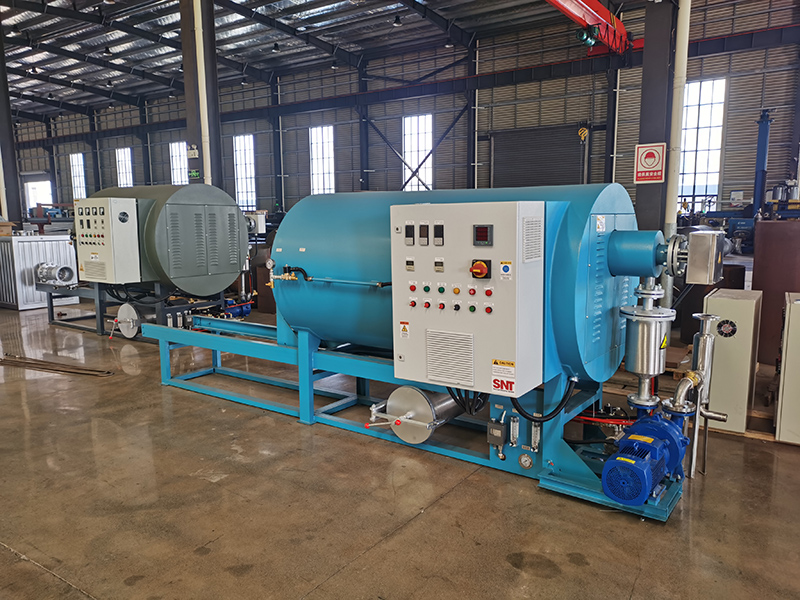
Equipment Cleaning Methods for a Screw Cleaning Furnace
Regular cleaning of a screw cleaning furnace is essential for maintaining stable operation, improving heating efficiency, and reducing long-term equipment wear. Proper equipment cleaning also helps prevent residue accumulation that may affect airflow, temperature control, and operational safety.
Understand the Importance of Equipment Cleaning
During high-temperature cleaning processes, ash, carbon particles, smoke residue, and decomposed materials gradually accumulate inside and outside the furnace.
Without routine cleaning, these contaminants may interfere with heating performance and reduce equipment reliability.
Perform Cleaning After Complete Cooling
Cleaning work should begin only after the furnace has cooled to a safe temperature.
Attempting to clean hot surfaces may create safety risks and damage cleaning tools or furnace components.
Establish a Regular Cleaning Schedule
Daily light cleaning combined with periodic deep cleaning helps maintain stable furnace performance.
Consistent maintenance reduces the risk of heavy residue buildup inside the chamber and ventilation system.
Inner Chamber Cleaning Procedures
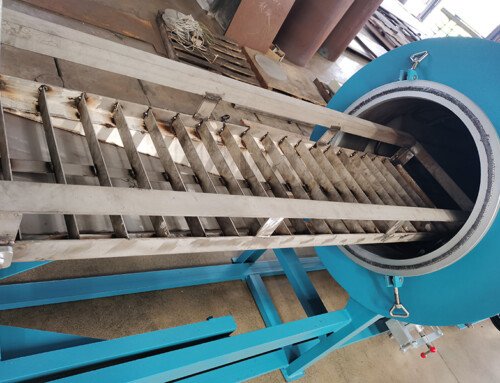
The inner chamber requires careful cleaning because it directly affects heating and residue decomposition performance.
Remove Ash and Loose Residue
After cooling, operators should remove ash, carbon particles, and decomposed residue from chamber surfaces and corners.
Excess buildup may restrict airflow and create uneven temperature distribution during future operation.
Clean Chamber Surfaces Gently
Soft brushes or non-abrasive cleaning tools help protect chamber walls and insulation materials.
Aggressive scraping may damage internal surfaces and reduce furnace lifespan.
Keep Ventilation Passages Clear
Airflow channels inside the chamber should remain free from residue obstruction.
Stable airflow supports more balanced heat circulation and cleaning consistency.
Exterior Surface Cleaning Methods
The furnace exterior should also remain clean to support safer operation and equipment protection.
Remove Dust and Oil From the Outer Shell
Dust, grease, and polymer particles may collect on the outer casing during daily operation.
Routine cleaning helps maintain ventilation efficiency and improves equipment appearance.
Avoid Excessive Moisture During Cleaning
Slightly damp cleaning materials may be used for exterior surfaces, but excessive water exposure should be avoided near electrical areas.
Keeping the furnace dry helps protect electrical systems and metal surfaces.
Inspect the Outer Surface While Cleaning
Cleaning provides an opportunity to check for cracks, paint damage, corrosion, or loose panels.
Early inspection helps reduce long-term structural problems.
Ventilation and Exhaust System Cleaning
Ventilation systems require regular cleaning to maintain airflow efficiency.
Clean Exhaust Ducts Periodically
Smoke residue and fine particles may gradually accumulate inside exhaust ducts.
Routine cleaning helps improve airflow stability and reduces ventilation resistance.
Inspect Exhaust Fans for Dust Accumulation
Dust buildup on ventilation fans may reduce airflow efficiency and increase operating noise.
Clean fan surfaces support smoother airflow performance.
Keep Air Intake Areas Unblocked
Blocked air intake sections may affect heat circulation inside the furnace chamber.
Open airflow paths improve temperature stability and residue decomposition efficiency.
Electrical Area Cleaning Precautions
Electrical systems require careful handling during equipment cleaning.
Keep Electrical Cabinets Free From Dust
Dust accumulation inside electrical panels may affect insulation reliability and control system stability.
Routine cleaning supports safer furnace operation.
Avoid Water Contact With Electrical Components
Direct water exposure near wiring, control systems, or power connections may increase electrical hazard risks.
Dry cleaning methods are generally safer for electrical areas.
Inspect Wiring During Cleaning
Cleaning sessions also provide opportunities to check for loose cables, damaged insulation, or overheated electrical connections.
Early inspection helps reduce unexpected equipment failure.
Long-Term Cleaning Habits for Furnace Stability
Consistent cleaning practices support long-term furnace reliability and operating efficiency.
Perform Deep Cleaning at Scheduled Intervals
In addition to daily maintenance, the furnace should undergo comprehensive cleaning at regular intervals.
Deep cleaning helps remove hidden residue from corners, ducts, and airflow passages.
Maintain Accurate Cleaning Records
Recording cleaning dates, residue conditions, and inspection observations helps track equipment condition over time.
Maintenance records also support preventive servicing plans.
Avoid Operating With Excessive Residue Accumulation
Allowing large amounts of residue to remain inside the furnace may increase heating instability and reduce cleaning efficiency.
Routine cleaning helps maintain more stable long-term furnace performance.