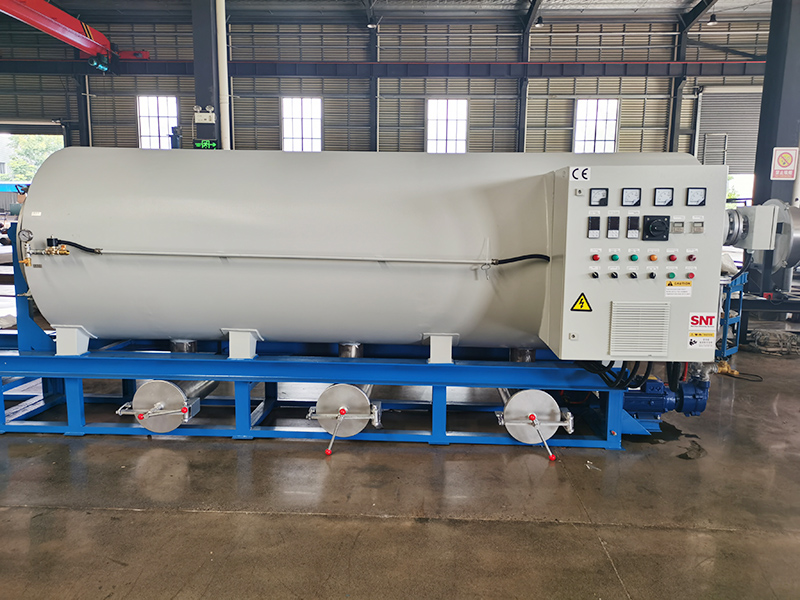
Key Maintenance Points for the Inner Chamber of a Screw Cleaning Furnace
The inner chamber of a screw cleaning furnace is exposed to continuous high temperatures, residue decomposition, and thermal cycling during operation. Proper chamber maintenance helps maintain heating efficiency, improve cleaning consistency, and extend the service life of the furnace structure.
Understand the Importance of Chamber Maintenance
The chamber directly affects heat circulation, residue decomposition, and internal temperature stability.
If ash, carbon deposits, or surface damage accumulate inside the chamber, furnace performance may gradually decline over time.
Perform Routine Chamber Inspections
Operators should inspect the chamber interior regularly after cooling cycles are completed.
Routine inspection helps identify residue buildup, structural wear, and airflow obstruction before larger problems develop.
Maintain Stable Operating Conditions
Frequent overheating, sudden cooling, or overloaded operation may increase stress on the inner chamber structure.
Controlled operating conditions help reduce thermal fatigue and prolong chamber lifespan.
Cleaning Procedures for the Furnace Inner Chamber
Regular cleaning is one of the most important parts of chamber maintenance.
Remove Ash and Carbon Residue Promptly
After the furnace cools to a safe temperature, ash and decomposed residue should be removed from chamber surfaces and corners.
Excess buildup may interfere with airflow and reduce heating uniformity.
Clean Airflow Channels Carefully
Ventilation paths and internal circulation areas should remain free from blockages.
Stable airflow supports balanced temperature distribution throughout the chamber.
Avoid Aggressive Cleaning Methods
Sharp tools or abrasive materials may damage chamber surfaces and insulation layers.
Gentle cleaning methods help preserve the structural condition of the furnace interior.
Chamber Surface Inspection and Protection
The chamber interior experiences repeated exposure to heat and decomposition gases.
Inspect Chamber Walls for Cracks or Deformation
Operators should check chamber surfaces for signs of warping, cracking, or structural distortion.
Early inspection helps prevent larger mechanical problems caused by thermal stress.
Monitor Corrosion and Oxidation Conditions
Long-term exposure to residue gases and moisture may gradually affect internal metal surfaces.
Routine inspection helps reduce corrosion risks and supports stable furnace operation.
Protect Internal Insulation Layers
Damaged insulation may increase heat loss and create uneven chamber temperatures.
Insulation materials should remain intact and securely positioned during operation.
Heat Distribution and Airflow Maintenance
Balanced heat circulation is essential for effective screw cleaning performance.
Keep Chamber Layout Clear
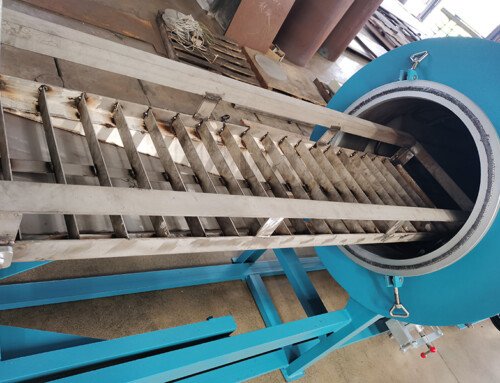
Residue buildup or misplaced support structures may restrict airflow inside the chamber.
Open circulation paths help maintain consistent heating conditions.
Check Internal Heat Uniformity
Uneven heating patterns may indicate airflow problems, insulation damage, or heating system wear.
Operators should monitor chamber temperature behavior during regular operation.
Avoid Furnace Overloading
Excessive screw loading may reduce airflow efficiency and create localized overheating inside the chamber.
Balanced loading supports more stable heat distribution.
Cooling and Moisture Control for Chamber Protection
Cooling procedures also affect long-term chamber condition.
Allow Natural Cooling After Operation
Gradual cooling reduces stress on chamber walls, insulation materials, and internal supports.
Rapid cooling may accelerate structural fatigue and surface cracking.
Keep the Chamber Dry
Moisture inside the chamber may increase oxidation and corrosion risks.
The furnace interior should remain dry during storage and non-operating periods.
Prevent Condensation Formation
Large temperature differences between the chamber and surrounding environment may create condensation after cooling.
Stable environmental conditions help reduce moisture-related damage.
Long-Term Maintenance Habits for Inner Chamber Stability
Consistent maintenance practices help maintain furnace reliability over extended operating periods.
Schedule Periodic Deep Cleaning
In addition to daily cleaning, the chamber should undergo more thorough maintenance inspections at scheduled intervals.
Deep cleaning helps remove hidden residue from corners and airflow channels.
Record Chamber Inspection Results
Maintenance records should include residue conditions, chamber surface observations, and insulation inspection results.
Detailed documentation supports preventive maintenance planning.
Replace Damaged Internal Components Promptly
Worn supports, damaged insulation, or deformed internal parts should be repaired or replaced before they affect furnace performance.
Early maintenance helps maintain stable operating efficiency and reduces unexpected downtime.