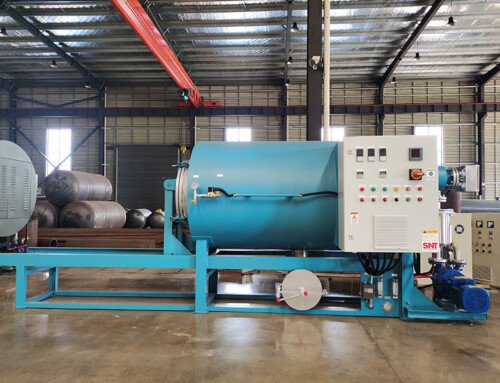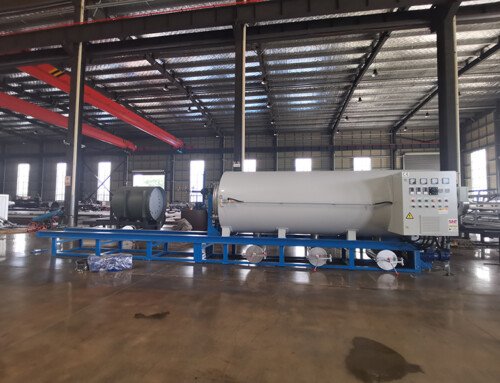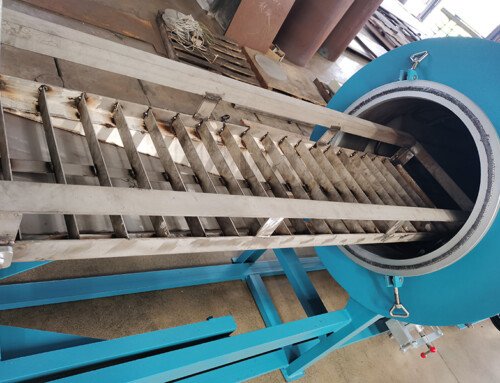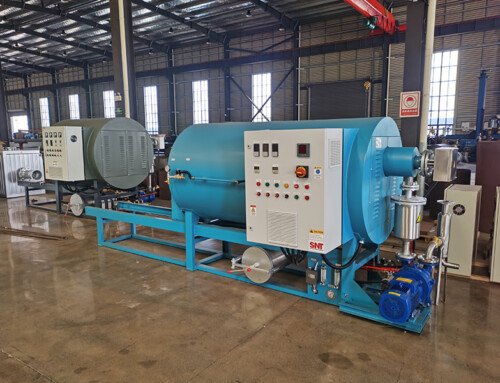
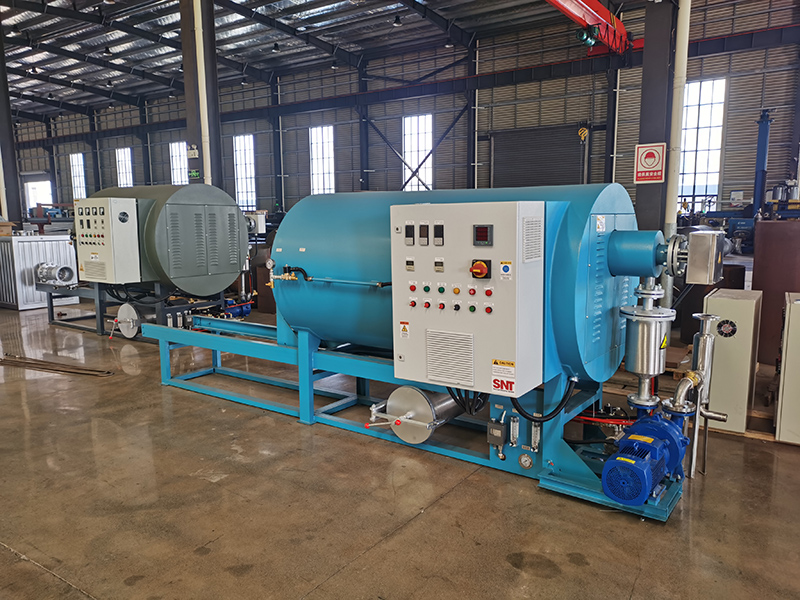
Screw Cleaning Furnace Long-Term Maintenance: What to Plan for Before the First Cycle Ends
You bought the furnace. It cleaned your first screw beautifully. Now six months have passed and you are staring at a maintenance schedule that the vendor handed you on a single sheet of paper. Half the items on it are vague, some of the parts are hard to source, and you have no idea what actually needs doing versus what is just vendor upselling. This is where most owners start guessing. They either over-maintain and waste money, or under-maintain and watch the furnace degrade until it stops performing. The sweet spot is knowing exactly what to budget for, what to stock, and what to ignore.
The Parts That Actually Wear Out and What They Cost You in Downtime
Not everything in a screw cleaning furnace degrades at the same rate. Some components last years. Others need attention every few hundred hours. Knowing which is which saves you from either panic-ordering parts or sitting idle waiting for a shipment.
Vacuum Pump Oil and Seals
The vacuum pump is the hardest-working component in the entire system. It runs hot, it runs continuously during every cycle, and it sees polymer vapors that condense inside the pump housing. The oil degrades fast. At around 500 hours, the oil turns dark, loses viscosity, and starts allowing micro-leaks. At 1000 hours, the internal seals begin to harden and crack.
If you skip oil changes, the pump loses vacuum capability. A pump that should pull down to 5 Pa starts stalling at 50 Pa. Your cleaning cycles get longer, your residue removal gets incomplete, and you start blaming the furnace instead of the pump.
Stock at least two oil changes worth of the correct grade. Check the pump manufacturer spec — most screw cleaning furnaces use ISO VG100 or VG150. The wrong viscosity will destroy the pump faster than dirty oil would.
Heating Elements
Heating elements in these furnaces operate at 400 to 500 degrees Celsius for hours at a stretch. They do not fail suddenly. They degrade gradually. You will notice it first as longer heat-up times. Then as temperature overshoot during the ramp phase. Then as hot spots that leave uneven cleaning across the screw.
A typical element lasts between 1500 and 3000 hours depending on the material and duty cycle. When one fails, do not replace just that element. Replace the full set. Mismatched elements create uneven heating, which is worse than a slow furnace.
Keep one full set of spares on hand. Elements are not exotic parts, but if your vendor ships from overseas, you are looking at two to four weeks of downtime waiting for delivery.
Door Gaskets and Seals
The chamber door seal takes a beating every single cycle. It gets pressed against the hot flange, it gets exposed to vacuum, and it gets coated with carbon residue that acts like sandpaper against the rubber.
Inspect the gasket every 200 hours. Look for compression set — if the gasket does not spring back when you release it, it is dead. Look for cracks, hardening, or carbon embedding. A compromised gasket lets air leak into the chamber, which kills vacuum and extends your cycle time by thirty percent or more.
Gaskets are cheap. Stock three or four. They are the most common reason for unscheduled downtime and the easiest thing to prevent.
Thermocouples
Thermocouples drift. This is not a matter of if but when. A thermocouple that reads accurate on day one will be off by ten degrees within six months. Off by twenty degrees within a year. That drift directly affects cleaning quality because the furnace is running the wrong temperature profile.
Calibrate every quarter against a reference thermometer. If the reading is off by more than five degrees, replace it. Do not try to compensate in the controller — that masks the problem and creates worse drift over time.
Keep two spare thermocouples on hand. They are small, cheap, and critical. A dead thermocouple mid-cycle means an emergency shutdown and a cool-down sequence that takes hours.
Building a Spare Parts Inventory That Actually Makes Sense
Most vendors will try to sell you a full spare kit when you buy the furnace. Some of it is useful. Most of it is not. Here is what you actually need to stock based on real-world failure rates.
The Must-Have List
Vacuum pump oil — two containers minimum. Heating elements — one full set. Door gaskets — three to four. Thermocouples — two spares. Vacuum pump belts or coupling kits — one set. Exhaust filter elements — two spares.
These seven items cover roughly ninety percent of all unscheduled maintenance calls. Everything else is either rare or can wait a few days for shipping.
The Nice-to-Have List
Control board fuses and relays. Solenoid valves for the vacuum and gas lines. Fan motor bearings. Insulation blankets for the chamber walls.
These fail less often, but when they do, they take the furnace offline. If your operation runs three shifts and cannot afford a day of downtime, stock these too. If you can tolerate a week of waiting for parts, skip them.
What You Do Not Need to Stock
The PLC or control board itself. These rarely fail and when they do, you need a technician, not a part from a shelf. Full chamber insulation replacement kits — these last the life of the furnace if installed correctly. Custom-machined flange hardware — if this breaks, you are looking at a machine shop, not a parts bin.
Maintenance Schedules That Actually Work in Production
A maintenance schedule that requires the furnace to be offline for four hours every week is useless in a production environment. You need a schedule that fits around actual operations.
Daily Checks (Five Minutes)
Check the vacuum gauge before starting a cycle. If it does not pull down to the rated level within the expected time, something is wrong with the pump or the seals. Check the door gasket visually for obvious damage. Listen to the pump — a grinding or whining sound means the bearings are going.
Weekly Checks (Fifteen Minutes)
Inspect the exhaust scrubber. If it is water-based, check the water level and look for clogging. If it is dry-media, check for saturation. A clogged scrubber creates back-pressure that affects vacuum performance.
Wipe down the chamber interior with a brass brush while it is still warm from the last cycle. Carbon buildup on the walls acts as insulation and throws off temperature readings. Five minutes with a brush prevents weeks of drift.
Check the thermocouple reading against a handheld reference. If it is off by more than five degrees, flag it for replacement.
Monthly Checks (One Hour)
Change the vacuum pump oil if you are approaching the 500-hour mark. Inspect all door gaskets for compression set. Check the heating elements for visible damage — look for sagging, discoloration, or cracks in the ceramic sheath.
Run a full calibration cycle on the temperature controller. Most modern PLCs have a self-calibration routine. Run it and record the results. Track the drift over time so you can predict when elements or thermocouples will need replacing.
Quarterly Checks (Half Day)
Full thermocouple calibration against a certified reference. Inspect the vacuum pump seals and bearings. Check the exhaust ducting for carbon buildup. Clean or replace the exhaust filter elements.
This is also when you should review your spare parts inventory. If you used a gasket or a thermocouple during the quarter, reorder before you run out. Running out of a five-dollar part because you forgot to reorder causes more downtime than any major failure.
The Hidden Costs Most Buyers Forget to Budget For
The purchase price is just the entry fee. The real cost of owning a screw cleaning furnace is in the ongoing consumables and labor.
Electricity
These furnaces draw significant power during the heat-up phase. A typical cycle consumes between 15 and 30 kWh depending on chamber size and temperature. If you run four cycles a day, that adds up fast. Factor this into your operating cost from day one.
Scrubber Media and Water
If your furnace uses a water scrubber, you are consuming water and eventually disposing of it. The water picks up carbon particles and polymer residue. In most jurisdictions, that wastewater cannot go down the drain without treatment. Budget for water costs and disposal fees.
If it uses dry media, the media needs replacing every few months depending on throughput. A saturated scrubber does nothing. Check it regularly or you are venting carbon into your workshop.
Labor for Maintenance
Someone has to do the cleaning, the oil changes, the calibration. If you do not have a dedicated maintenance person, that labor comes out of your operators’ time. Factor at least two hours per week per furnace into your labor budget. That sounds like a lot until the furnace breaks down and your extruder line sits idle for three days.
Choosing a Vendor Based on Long-Term Support, Not Just the Machine
The furnace you buy today will still be running in five years. The vendor you buy it from might not be. This is the part that gets ignored during the purchasing decision and regretted later.
Spare Parts Availability and Shipping Speed
Ask the vendor directly: can you ship a heating element to my facility within 48 hours? If the answer is vague or conditional, that is a red flag. You need parts fast when the furnace goes down. A vendor with a local warehouse or a regional distribution network is worth more than a vendor with a cheaper machine.
Technical Support Access
When the controller throws an error code at 11 PM on a Saturday, you need someone to call. Not an email address. Not a ticket system. A phone number with a real person who knows the machine. Test this before you buy. Call their support line during off-hours and see who picks up.
Documentation Quality
A good vendor gives you a full maintenance manual with part numbers, torque specs, calibration procedures, and troubleshooting flowcharts. A bad vendor gives you a one-page quick start guide and tells you to call support for everything else. The quality of the documentation tells you how seriously the vendor takes long-term ownership.
A screw cleaning furnace is a workhorse. It does one job and it does it well — but only if you maintain it properly. The machine itself is not the expensive part. The downtime caused by poor maintenance is. Stock the right spares, follow a realistic schedule, and choose a vendor who will still answer the phone when you need them at 2 AM.