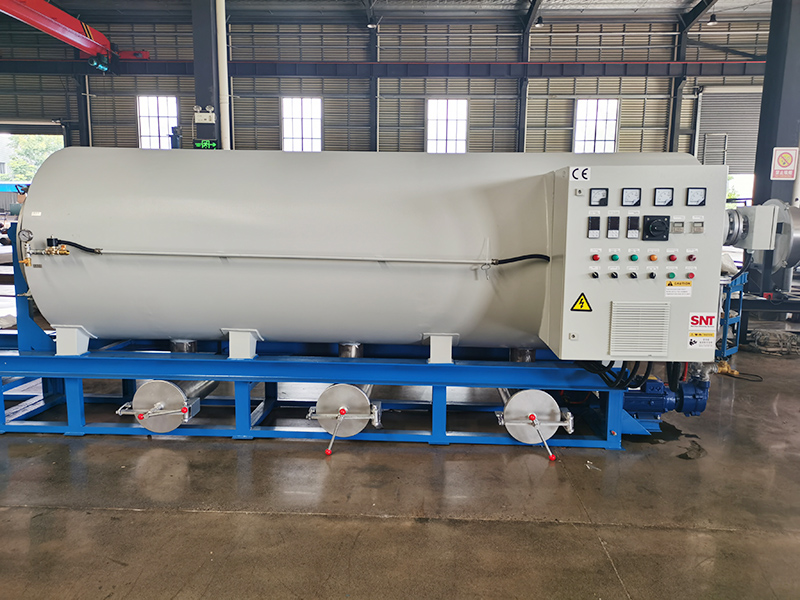
Screw Cleaning Furnace Buying Guide: What Every Beginner Needs to Know Before Spending a Dime
You just realized your extruder screw is caked with polymer residue, your spinneret holes are clogged, and your output quality is tanking. The answer everyone keeps pointing you toward is a screw cleaning furnace. But the moment you start searching, you get hit with a wall of specs, vacuum ratings, temperature curves, and vendor claims that all sound the same. This guide cuts through that noise and tells you exactly what matters when you are buying your first one.
How a Screw Cleaning Furnace Actually Works
Before you compare anything, you need to understand what the machine is doing inside that chamber.
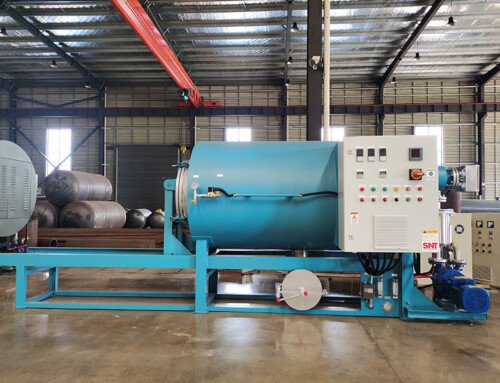
A screw cleaning furnace uses vacuum heat to crack and burn off polymer residue without touching the metal surface with chemicals or abrasives. The process goes in stages. First, the chamber heats up to around 300°C. At this point, the bulk of the polymer softens and melts, dripping down into a collection tray below. Then the temperature climbs to 400–450°C while the vacuum pump pulls air out and a small amount of oxygen gets introduced. That oxygen burns off the remaining carbon at the molecular level. What comes out the exhaust is mostly CO2 and water vapor, routed through a scrubber. No smoke, no chemical waste, no damaged screw surfaces.
This is why these furnaces have replaced old-school glycol baths and salt bath setups in most fiber, plastic, and chemical plants. The cleaning is thorough, the process is repeatable, and you are not disposing of toxic solvent every cycle.
The Five Specs That Actually Matter When You Buy
Most vendors will throw twenty numbers at you. Half of them are marketing fluff. These five are the ones that determine whether the machine works or sits in your corner collecting dust.
Temperature Control Accuracy
This is the single biggest factor in cleaning quality. If the furnace swings plus or minus 20°C during a cycle, some of your polymer burns off completely while other spots barely get touched. You need a unit that holds temperature within plus or minus 3°C, ideally plus or minus 1°C. Look for PID controllers with thermocouple feedback, not simple on-off thermostats. The difference between tight control and loose control is the difference between a clean screw and one that still has ghost residue after every run.
Vacuum Level and Pump Quality
The vacuum system is what makes the whole process work. You need the chamber to pull down to at least 10 Pa, with 5 Pa or lower being the sweet spot for serious cleaning work. The pump type matters just as much as the number. Screw-type vacuum pumps hold their rating longer than rotary vane pumps under high-temperature conditions. Check what the vendor uses and ask about pump maintenance intervals. A cheap pump that loses vacuum after 500 hours will cost you more in downtime than a better pump ever will.
Chamber Size Matched to Your Screw
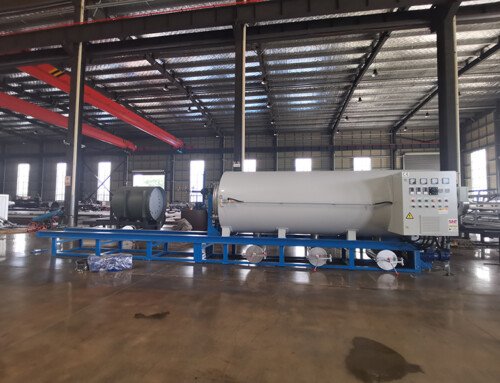
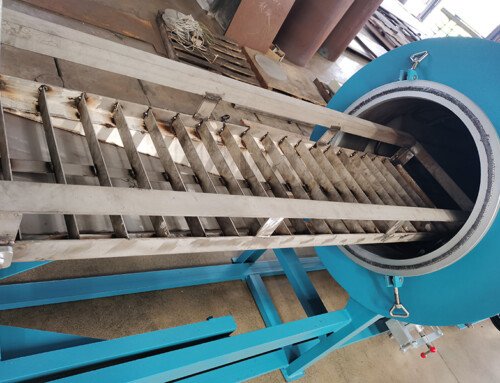
This sounds obvious, but beginners get it wrong constantly. If your screw is 1.2 meters long, do not buy a furnace with a 0.8-meter chamber. The screw needs to sit fully inside with clearance on both ends for airflow. Undersized chambers mean you cannot clean the full length in one run, which defeats the purpose. Oversized chambers waste energy and take longer to heat up. Measure your longest screw, add 200mm of clearance, and match that to the chamber length.
Automation and Program Control
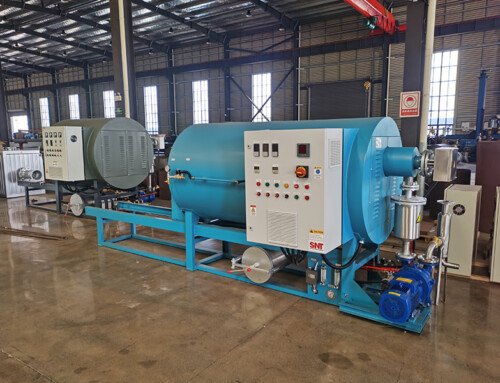
A furnace with no programmable controls is a furnace you will operate inconsistently. You want at least 3 to 5 temperature setpoints in a single cycle, automatic vacuum control, and a timed cool-down sequence. PLC-based systems let you save recipes for different materials so your operator does not have to guess settings every time. If the machine requires someone to manually adjust valves and watch gauges for 45 minutes, it is not automated enough for production use.
Exhaust Scrubbing Capability
The cleaning process generates fine carbon particles and vapor. Without a proper scrubber, that stuff goes into your workshop air. Make sure the furnace comes with or supports a water spray scrubber on the exhaust line. Some units integrate this, others require a separate add-on. Either way, confirm it is included before you commit.
Common Mistakes That Cost Beginners Real Money
Buying the Cheapest Unit and Paying for It Later
The lowest-priced furnace on the market usually cuts corners on insulation thickness, thermocouple quality, and pump capacity. Thin insulation means the furnace loses heat fast, which means higher electricity bills and longer cycle times. A weak pump means the vacuum degrades within months. You save maybe fifteen percent upfront and spend double that in maintenance within the first year.
Ignoring the Warm-Down Sequence
This one is not about buying, but about how you use what you bought. After a cleaning cycle, the chamber is at 450°C. If you break vacuum immediately, the sudden pressure change can crack heated components and warp thin-walled screws inside. The correct sequence is to turn off the heat, let the system cool naturally to below 40°C, and only then release the vacuum. Skipping this step is the fastest way to destroy a perfectly good furnace.
Assuming One Size Fits All Materials
Polyester, polypropylene, nylon, PEEK — they all crack at different temperatures and produce different residue behaviors. A furnace tuned for polyester will leave nylon residue behind. A furnace set too hot for PEEK will damage the screw coating. Before you buy, list every material you run through your extruder and confirm the furnace can handle the full range with adjustable profiles.
What to Check Before You Sign Anything
Warranty and Service Response Time
A furnace is a production machine. When it goes down, every hour costs you money. Look for a vendor that offers at least a one-year warranty on core components, with clear terms on what is covered. More importantly, check their response time. A vendor that promises 24-hour technical support but takes a week to show up is useless. Ask for references from existing customers in your region.
Spare Parts Availability
Heating elements, thermocouples, vacuum pump oil, door gaskets — these wear out. If the vendor does not stock replacements or takes weeks to ship them, your furnace becomes a very expensive paperweight. Confirm that critical spares are available off the shelf and that the vendor can ship them within 48 hours.
Installation and Training
Do not assume your maintenance team can figure it out from a manual. A good vendor sends a technician to install, calibrate, and train your operators on-site. This includes the correct startup sequence, emergency shutdown procedure, and basic troubleshooting. If the vendor skips this step, you are on your own when something goes wrong at 2 AM.
Maintenance Habits That Double Your Furnace Life
Once you have the machine running, a few simple habits keep it performing for years instead of months.
Change the vacuum pump oil every 500 hours. Use ISO VG100 grade or whatever the pump manufacturer specifies. Old oil loses viscosity and the pump starts leaking vacuum.
Clean the chamber after every cycle. Carbon buildup on the walls acts as insulation, which throws off your temperature readings. A quick wipe-down with a brass brush while the chamber is still warm takes five minutes and prevents drift.
Calibrate your temperature sensor every quarter. A thermocouple that reads 5°C high will overheat your screws. A sensor that reads low will leave residue. This is a cheap check that prevents expensive damage.
Back up your PLC programs. If the control board fails, you do not want to lose every recipe you have built. Most modern PLCs let you save to a USB drive in under a minute.
A screw cleaning furnace is one of the most practical investments you can make for your extrusion line. It pays for itself in reduced downtime, longer screw life, and consistent product quality. But only if you buy the right one and treat it right from day one.