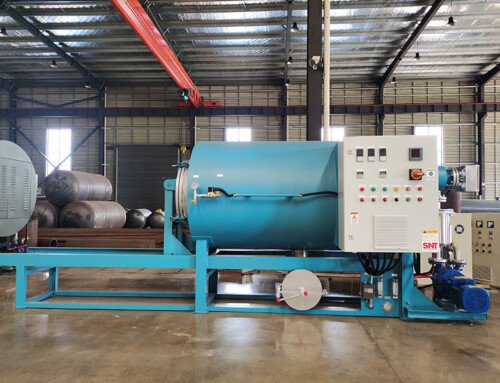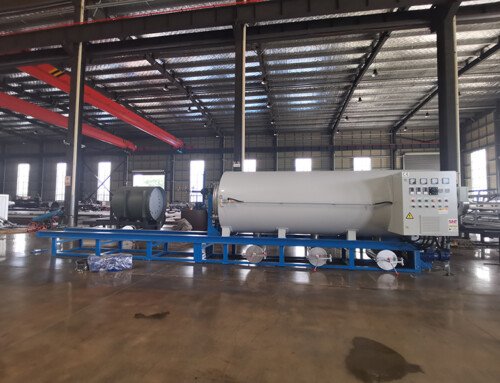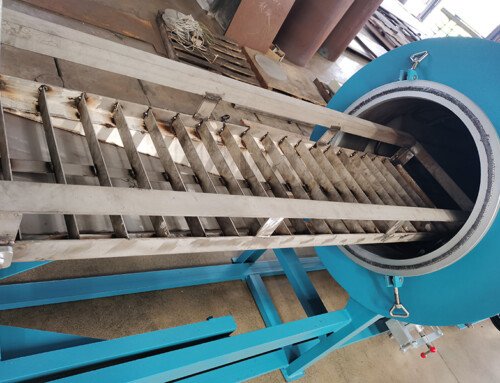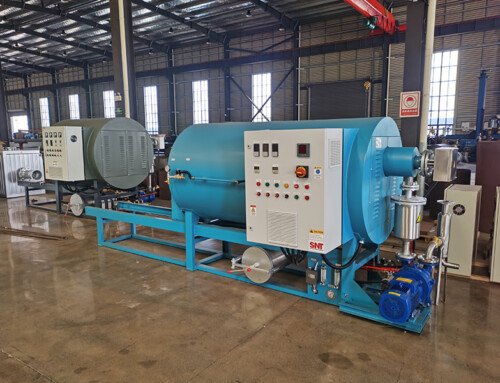
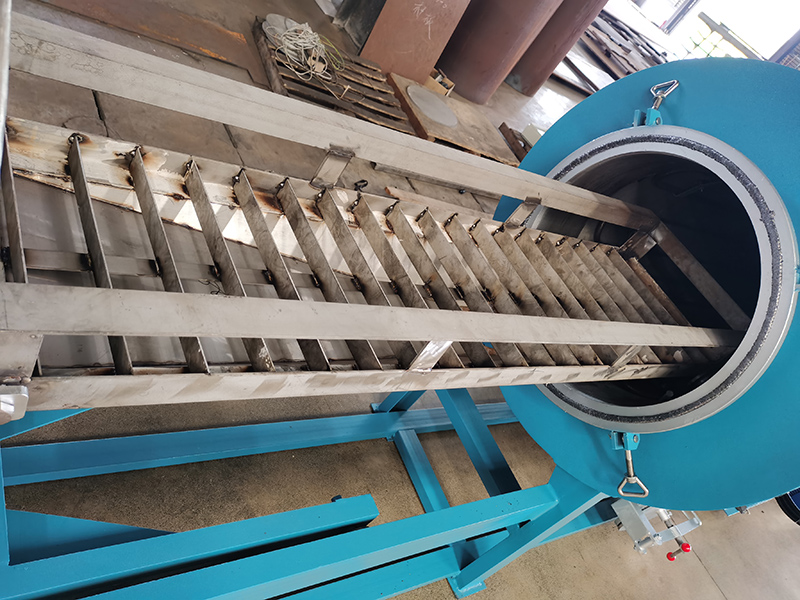
Screw Cleaning Furnace for Industrial Production: How to Match the Right Machine to Your Line
Cleaning screws, spinnerets, and filter meshes in an industrial setting is not a task you can leave to guesswork. The difference between a furnace that delivers consistent, repeatable results and one that creates more headaches than it solves comes down to one thing: how well the machine matches your actual production reality. Most buyers look at temperature range and walk away. That is like buying a car based on top speed while ignoring the transmission.
What Actually Defines a Good Industrial Match
The core principle behind any vacuum cleaning furnace is simple: you seal the chamber, pull out the air, crank the heat to around 500°C, and let the polymer residue crack and vaporize without ever touching oxygen. No flame. No chemical bath. No mess. But the devil lives in how each manufacturer executes that principle.
Chamber Size Versus Throughput Reality
A furnace that is too small for your daily volume creates a bottleneck you did not plan for. A furnace that is too large wastes energy every single cycle. For operations handling 50 to 100 pieces per day, a 500-liter chamber typically suffices. Once you cross 100 pieces daily, step up to 1000 liters or more. The mistake most plants make is buying for peak capacity and running it at half load for eleven months. That kills your energy efficiency and inflates your cost per clean.
The chamber interior matters just as much as the volume. Look for 310S stainless steel lining. It resists corrosion, does not coke up easily, and keeps maintenance intervals long. Cheaper alloys look fine on day one but start flaking by month six.
Temperature Precision Is Non-Negotiable
This is where mediocre furnaces fall apart. You need temperature control at ±3°C or tighter, not the ±5°C some spec sheets casually list. Why does three degrees matter? Because polymer cracking is a narrow window. Too cold and the residue doesn’t fully decompose. Too hot and you warp the screw threads or damage the spinneret holes. A furnace with multi-stage programmable heating, typically three to five temperature nodes, lets you ramp up, soak, and cool down on a fixed curve. That curve becomes your recipe. And recipes are what turn an operator-dependent process into a repeatable one.
Vacuum level matters equally. You want the chamber pulling down to 10Pa or better, ideally 5Pa or lower, within 30 minutes. If the vacuum leaks or takes too long to build, the residual oxygen will oxidize your parts before the heat even kicks in. That means discolored screws and clogged spinneret holes, exactly what you bought the furnace to prevent.
Automation: The Real Differentiator in Production
Anyone can build a heated box with a vacuum pump. What separates a production-grade furnace from a lab experiment is the control layer sitting on top of it.
PLC Control With Real Program Logic
A proper PLC-based system should let you store multiple cleaning programs, each with its own temperature stages, hold times, and cooling sequences. The operator picks the program, hits start, and walks away. The machine handles the rest, including automatic residue discharge and controlled cool-down. This is not a luxury feature. It is the baseline for any line running more than one shift.
What to look for: can you edit the recipe without opening the control cabinet? Are alarms specific enough to tell you whether it is a vacuum fault or a temperature overshoot within seconds? Does the system log every cycle automatically? If the answer to any of these is no, you are buying a machine that will depend on your best operator being in a good mood.
Safety Interlocks That Actually Work
In an industrial environment, safety is not a checkbox. A well-designed furnace has hard interlocks on the door lock, vacuum integrity, and temperature limits. If the door opens mid-cycle, heating cuts instantly, not after a thirty-second delay. If vacuum drops unexpectedly, the system pauses the heat cycle until pressure stabilizes. Temperature excursions above setpoint should trigger automatic shutdown, not just a beeping alarm that someone might hear from across the floor.
For plants handling flammable residues or reactive polymers, these interlocks are not optional. They are the difference between a controlled process and an incident report.
Matching the Furnace to Your Actual Process
Know Your Residue Before You Buy
Not all polymer buildup is the same. Polyester, nylon, and polypropylene each crack at different rates and produce different byproducts. A furnace optimized for polyester spinnerets may struggle with nylon screws unless the temperature curve and vacuum profile are tuned accordingly. Before you commit to any machine, map out exactly what you are cleaning, how often, and what the residue looks like. That data should drive your spec sheet, not the other way around.
Energy Efficiency Is a Long-Game Metric
Vacuum cleaning furnaces typically consume 20 to 30 percent less energy than the old salt bath or glycol cleaning systems they replace. But within that category, there is still a spread. Furnaces using thermal oil circulation instead of direct electric heating can stretch oil change intervals to five years or more, cutting maintenance costs by roughly 40 percent. Multi-stage heating designs that reduce power draw during non-critical phases can save another 10 percent on top of that. Over a year of daily eight-hour operation, that adds up to meaningful savings, not pennies.
Service Response Determines Total Cost
A furnace is a capital investment, but its true cost unfolds over years. Look for suppliers offering at least five years of warranty on core components, with clear terms on what is covered. Response time matters more than most buyers realize. A 48-hour on-site commitment for regions within reasonable distance, 72 hours for farther locations, and 24-hour remote diagnostics capability, these are the numbers that keep your line moving when something goes wrong at 2 AM.
The companies that invest in post-sale service tend to be the same ones that test every unit for 72 continuous hours before shipping. That testing catches the faults that would otherwise show up on your floor, in your schedule, and in your budget.