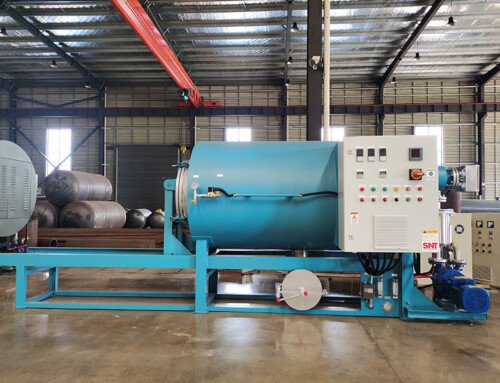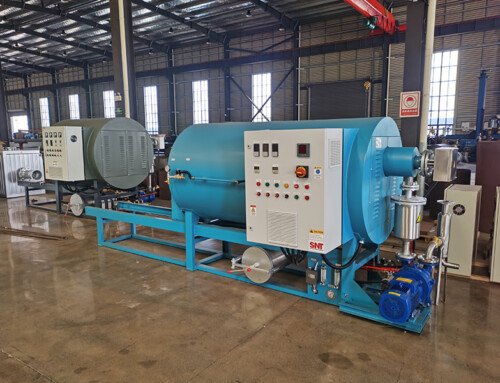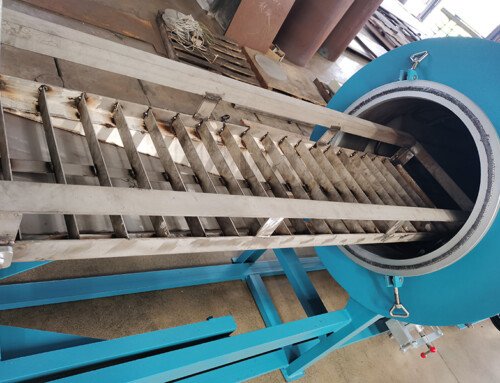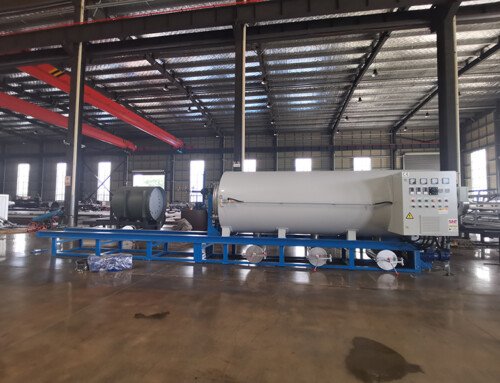
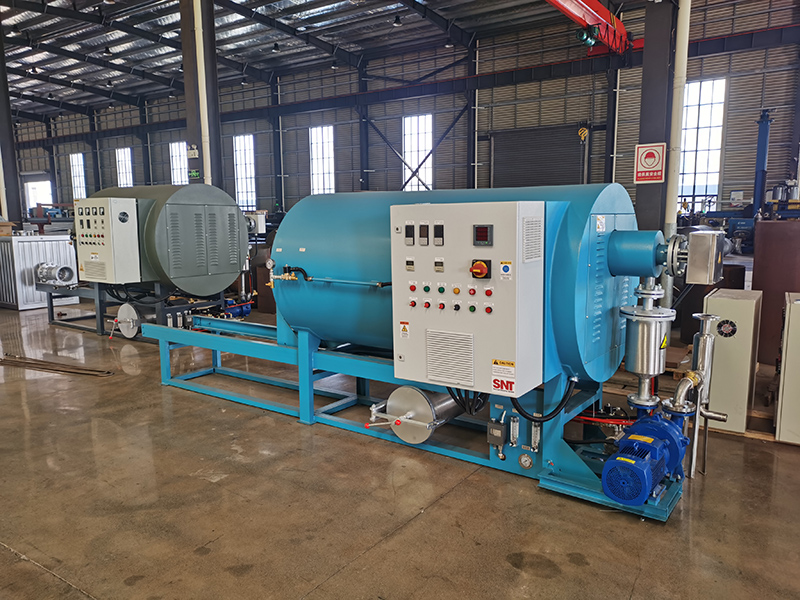
Proper indoor ventilation conditions for a screw cleaning furnace are critical to remove residual fumes, prevent excess heat buildup, and maintain a consistently safe, stable working environment for personnel across thousands of operating hours. Many facilities overlook subtle gaps in their ventilation setup, and these small oversights slowly lead to poor air quality, unnecessary heat buildup around the equipment, and unexpected performance issues that disrupt normal production. These practical, field-tested guidelines help teams build a reliable ventilation layout that matches real workshop operation, not just generic theoretical standards.
Basic ambient air exchange requirements
The first core rule is to maintain a steady, continuous supply of fresh ambient air into the room where the screw cleaning furnace is installed, to replace the air that is pulled out by exhaust vents. Without consistent fresh air makeup, negative pressure will build up inside the space, and exhaust fumes will not flow properly out of the ventilation system. This can cause residual fumes from the cleaning process to leak out into the general workshop, instead of being captured and removed as intended.
Make sure the fresh air intake point is positioned far away from the furnace’s exhaust outlet, so contaminated fumes do not get pulled straight back into the room through the makeup air supply. This simple, easy-to-miss mistake creates a closed loop where fumes circulate continuously through the workshop, instead of being fully vented outside. Positioning the fresh air inlet on the opposite side of the room from the exhaust outlet ensures a full, complete cross-flow of clean air across the entire equipment area.
Calculate the total air exchange rate to match the maximum fume output of the furnace during its full high-temperature cleaning cycle. The system must be able to refresh the entire volume of air in the room multiple times per hour, to clear out any unexpected sudden bursts of fume release that can happen when residual material breaks down rapidly during the heating phase. This ensures no concentration of airborne contaminants builds up to unsafe levels at any point in the operating cycle.
Localized fume capture directly around the furnace
Install dedicated localized exhaust capture points as close as possible to the furnace’s main access door, vent port, and any other opening where fumes are most likely to escape. These local capture points pull fumes away the second they are released, before they can spread out into the rest of the room. This is far more effective than relying only on general room ventilation, which would let fumes drift across the work area before they are finally pulled out of the space.
Position the local exhaust hood so it sits slightly above and in front of the furnace’s loading door, at a distance that creates strong enough capture velocity to pull all rising fumes into the duct, without being so close that it blocks normal operator access during loading and unloading. The airflow speed at the capture face must be high enough to overcome the natural upward buoyancy of hot fumes, and pull every trace of contaminated air into the exhaust system before it can drift toward breathing zone height.
Make sure the local exhaust ducting runs in a smooth, direct path to the outside, with as few sharp bends and unnecessary restrictions as possible. Sharp turns and narrow duct sections create backpressure that drastically reduces exhaust flow speed at the capture hood, and weakens the system’s ability to pull in fumes effectively. Keeping the duct layout simple and unobstructed preserves full exhaust performance, and prevents unexpected drops in capture efficiency over time.
Heat dissipation and overpressure prevention
Design the full ventilation system to handle not just fume removal, but also the steady stream of radiant and convective heat that the furnace releases into the surrounding space during long operation. Without sufficient heat removal, the temperature inside the small equipment room will keep climbing higher and higher, until it creates uncomfortable working conditions for operators, and puts extra thermal stress on nearby electrical components and control wiring. The ventilation system must be able to carry away this excess waste heat steadily, to keep ambient room temperature within a normal, comfortable working range.
Add dedicated overpressure relief vents that connect directly to the outside atmosphere, as an extra safety layer separate from the normal exhaust system. If a sudden unexpected pressure surge happens inside the furnace chamber, these relief paths let excess pressure vent straight outside, instead of pushing fumes and hot air out into the general workshop space. This prevents unplanned pressure buildup inside the room, and contains any unexpected release directly to the exterior of the building.
Avoid sealing the furnace inside a completely enclosed, unventilated small cabinet that traps all hot air around the unit. Even with good exhaust connections, trapped stagnant hot air around the furnace shell will cause temperatures to keep rising, and can damage nearby control panels, wiring, and safety sensors over long-term operation. Leaving open, unobstructed air flow space around all sides of the furnace lets natural convection carry heat away, and works together with the mechanical ventilation system to keep operating temperatures stable.
Regular ventilation performance validation
Check exhaust flow velocity at the capture hood and inside all main duct sections on a regular monthly schedule, to confirm performance has not dropped over time. Filters inside the exhaust system will slowly load up with fine particulate residue, fan belts can slip, and dampers can shift out of position, all of which reduce exhaust flow without anyone noticing. Regular flow checks catch these performance drops early, before fume capture becomes weak enough to let contaminants leak into the workshop.
Every time you perform a full screw cleaning cycle, do a quick visual check to confirm all fumes are being pulled into the exhaust hood, and no visible wispy fumes are drifting out into the surrounding room. If you see fumes escaping outside the capture zone, stop the cycle briefly, check for blocked ducts, clogged filters, or misaligned dampers, and fix the issue before resuming full operation. This simple visual check takes almost no extra time, and catches small ventilation issues before they turn into larger ongoing problems.
Clean out accumulated residual dust and particulate buildup from inside the exhaust ducts on a scheduled basis, before this material builds up to dangerous levels. Over months and years of operation, fine lightweight residue from the cleaning process will slowly settle on the inner walls of the ductwork, and heavy buildup can restrict airflow or create other avoidable hazards. Regular duct cleaning removes this accumulated material, restores full unobstructed air flow, and keeps the entire ventilation system performing at its original design level for many years of reliable use.