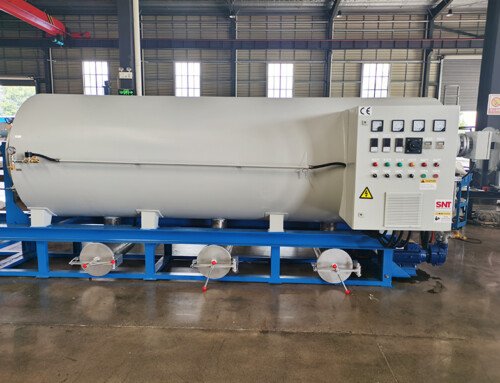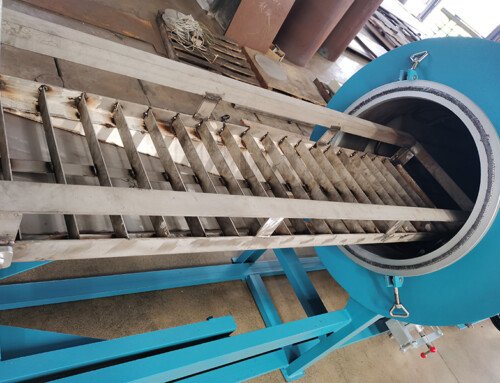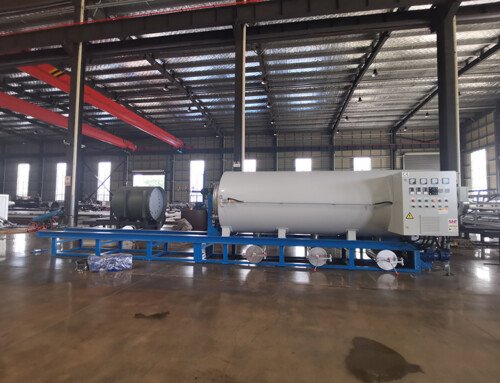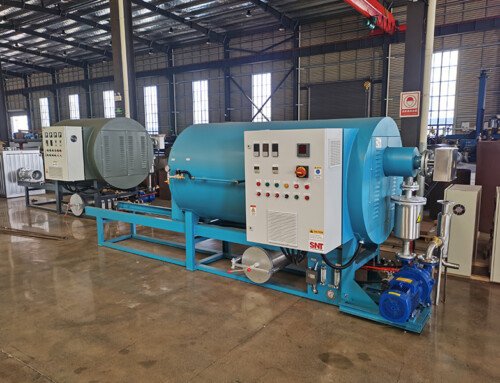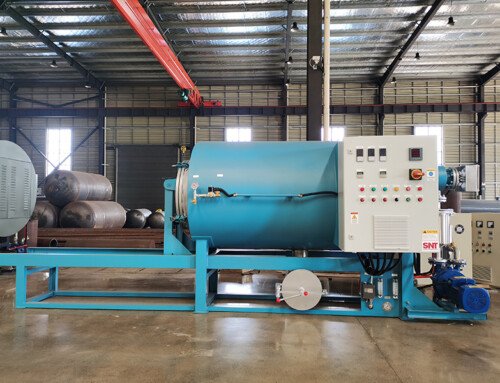
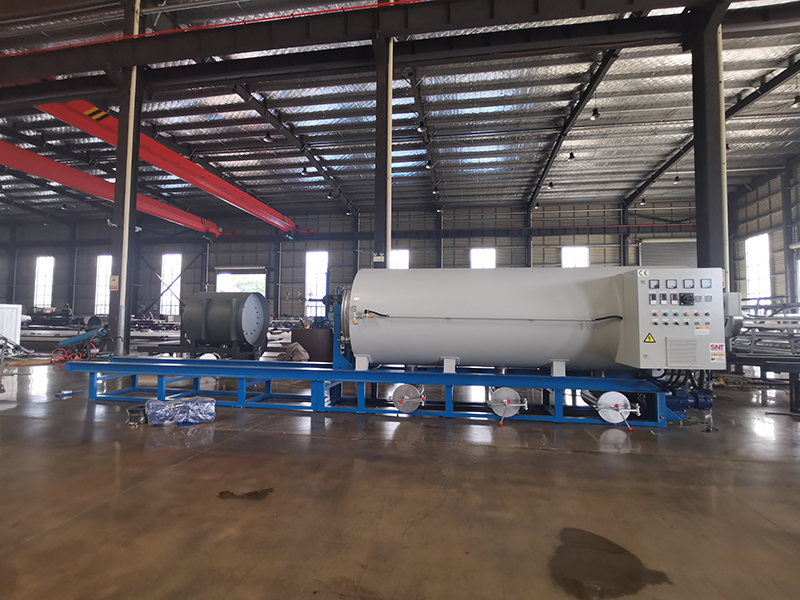
A burn off oven built with a dedicated over-temperature protection system adds an extra layer of fail-safe control that prevents unintended thermal damage to loaded parts, internal chamber components, and surrounding shop floor infrastructure during high-temperature thermal cleaning cycles. Standard burn off operations rely on primary process controllers to maintain stable setpoints, but unexpected sensor drift, relay failure, or sudden spikes in flammable vapor release from thick polymer buildup can push chamber temperatures far beyond safe design limits. This integrated protection framework operates independently from the main cycle control logic, stepping in to intervene before any unsafe temperature conditions can escalate into equipment damage, part loss, or workplace safety hazards.
Independent temperature sensing and threshold validation
The protection system uses a separate set of high-accuracy temperature sensors that are not tied to the main oven’s primary control loop, mounted at critical points across the upper chamber, near the heating elements, and close to the exhaust outlet. These sensors continuously sample real-time chamber temperature, and cross-reference readings against a hard-coded over-temperature threshold that sits well above the maximum normal operating setpoint for any standard cleaning cycle. The system runs automatic self-check routines at the start of every cycle, to confirm all protection sensors are functioning correctly and not showing drift or faulty readings before any heating elements are allowed to activate. This redundant sensing setup eliminates the single point of failure risk that comes from relying on a single temperature sensor to monitor all high-temperature operations.
Multi-stage safety intervention logic
When the measured chamber temperature approaches the pre-set over-temperature limit, the system triggers a tiered sequence of safety actions that are designed to bring conditions back under control without creating sudden, unsafe shifts inside the chamber. First, it cuts power to all heating elements immediately, stopping any further temperature rise before the limit is breached. If the temperature continues to climb past a secondary warning threshold, the system activates regulated fresh air intake dampers to introduce controlled, cool airflow into the chamber, and triggers the exhaust system to pull hot volatile fumes out at a steady, safe rate. For extreme, fast-rising over-temperature events, the system can also activate a dedicated internal fire suppression and rapid cool-down sequence that lowers chamber temperature quickly, without exposing loaded tooling or metal parts to sudden thermal shock that could cause warping or material damage.
Post-intervention fault logging and system lockout
After any over-temperature protection event is triggered, the system automatically logs the exact time, peak temperature reading, sensor data, and active safety actions taken to a non-volatile internal memory log that cannot be overwritten by new cycle data. The oven locks out all new heating cycle starts until a qualified technician performs a full manual inspection, identifies the root cause of the over-temperature event, and clears the fault log after confirming all components are in safe working order. This prevents the oven from being restarted repeatedly after a fault, which could lead to repeated unsafe operating conditions that cause cumulative damage to internal insulation, heating elements, or the chamber structural shell. The full fault history also gives maintenance teams clear, actionable data to spot emerging component wear early, before it can lead to a full unplanned system failure.