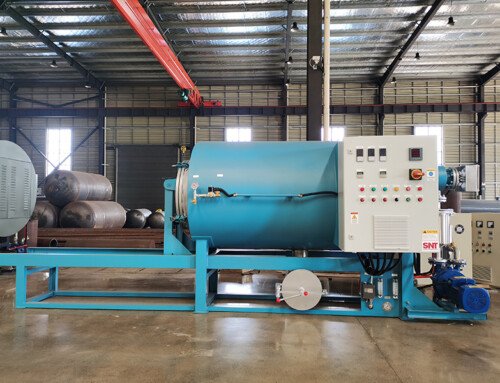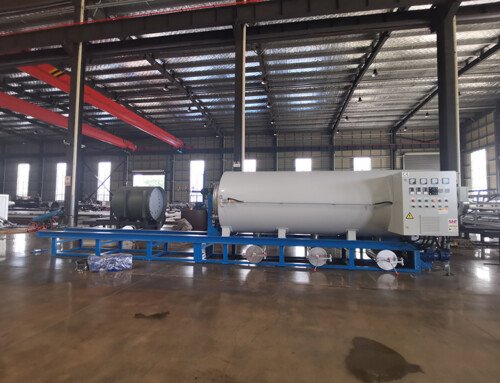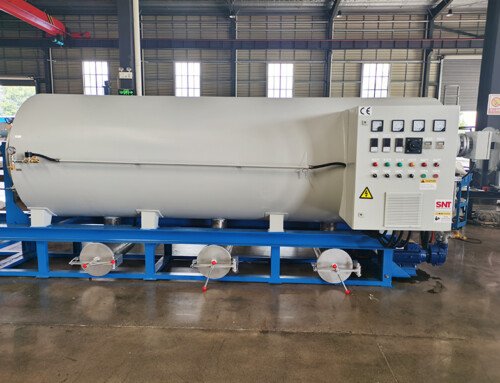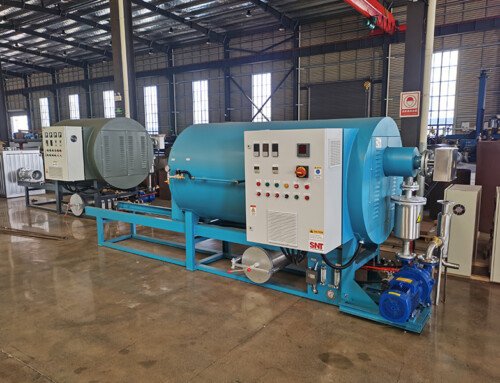
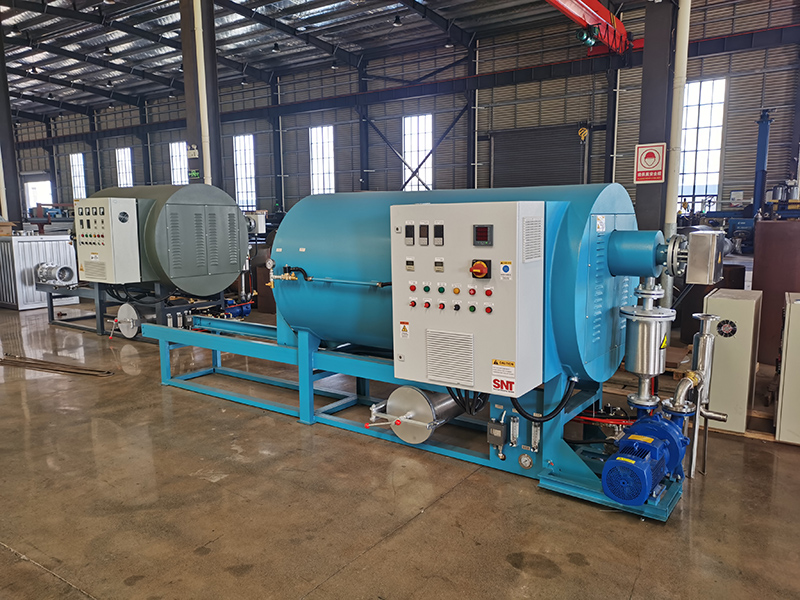
When powder coating recycling fixtures become heavily layered with cured overspray after repeated production cycles, a burn off oven provides a controlled thermal process that strips accumulated organic powder residue completely without damaging the base metal structure of the fixture itself. This approach eliminates the need for labor-intensive manual scraping, harsh chemical dipping or abrasive blasting that can wear down fixture alignment points, warp critical mounting surfaces and reduce the usable lifespan of custom tooling. The process also recovers the fixture’s original geometric precision, so it can return to consistent production tolerances far faster than most alternative cleaning methods available in a typical powder coating operation.
Pre-cycle fixture preparation for uniform residue removal
Before placing any loaded fixture into the burn off oven, carry out a quick visual inspection to identify any loose, thick clumps of powder overspray that have built up along sharp edges, weld seams and hanging points.
Remove any non-metal accessories, plastic labels or temporary rubber masking components from the fixture, as these materials will break down at different temperatures than the base metal and leave sticky, hard-to-remove residue that can contaminate the oven chamber.
Arrange the fixtures on the oven’s loading rack with consistent gaps between every individual part, so hot circulating air can reach every hidden crevice, threaded hole and overlapping surface where fine powder residue tends to accumulate.
Document the approximate thickness of the powder buildup on each batch of fixtures before starting the cycle, so you can adjust the thermal runtime to match the actual load, rather than running a generic one-size-fits-all program that wastes unnecessary energy.
Controlled thermal cycle configuration for fixture protection
The core of effective powder coating fixture recycling lies in a carefully staged temperature profile that prioritizes full residue decomposition while preventing excessive heat exposure that could alter the fixture’s base metal properties.
Start the cycle with a slow, low-temperature ramp phase that gradually heats the chamber, so the thickest layers of cured powder soften and begin to decompose slowly without sudden, violent off-gassing that could leave carbonized streaks on the fixture surface.
Hold the temperature at a carefully calibrated mid-range level for the majority of the cycle, giving even the most trapped fine powder particles time to break down completely into fine, easily removable ash without reaching temperatures that would anneal or warp the fixture’s precision alignment points.
Follow the high-temperature hold phase with a controlled, gradual cooling period that brings the entire chamber down to handling temperature slowly, rather than using rapid forced air cooling that could create uneven thermal stress and cause thin fixture sections to bend out of shape.
Post-cycle fixture processing and return to production
Once the full thermal cycle is complete and the fixtures have cooled to a safe handling temperature, move the entire load to a dedicated post-processing station separate from the main powder coating application area.
Use low-pressure, dry compressed air to blow away all fine ash residue from every surface of the fixture, paying extra attention to threaded holes, spring clip grooves and tiny alignment notches where loose ash can easily get trapped.
Do a full dimensional check on critical fixture mounting points and hanging interfaces, to confirm no subtle warping or deformation occurred during the thermal process that would cause misalignment in upcoming powder coating runs.
Give the fully cleaned fixture a quick pass over with a fine non-abrasive wire brush to clear away any remaining faint ash film, then move it directly back into the production rotation so it can support consistent, high-quality powder coating application for the next set of parts.
Routine oven maintenance to preserve long term recycling performance
After every 10 full load cycles, open the oven chamber and wipe down the internal walls, door seals and airflow circulation fans to remove accumulated ash buildup that would otherwise reduce heat transfer efficiency.
Inspect the exhaust treatment path and filter elements on a regular schedule, clearing away any trapped particulate that could restrict airflow and create uneven temperature distribution across the oven chamber.
Keep a simple log of every fixture recycling batch, noting the total load volume, average powder residue thickness and full cycle runtime, so you can refine your process parameters over time to maximize cleaning consistency and minimize unnecessary energy use.
This consistent, structured approach ensures the burn off oven continues to deliver reliable, damage-free powder coating fixture recycling performance for thousands of production cycles, extending the usable life of custom tooling and reducing unplanned downtime in the coating line.