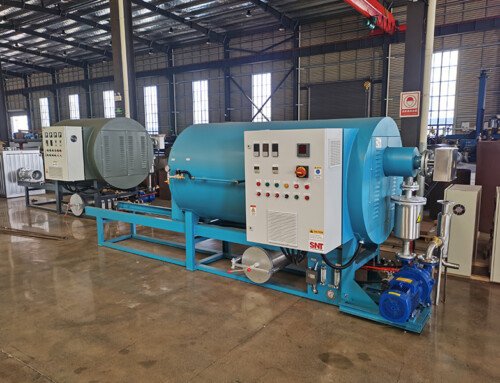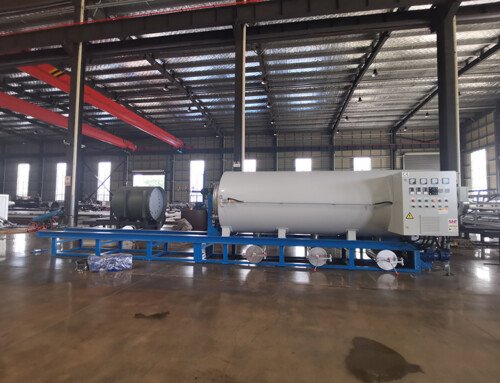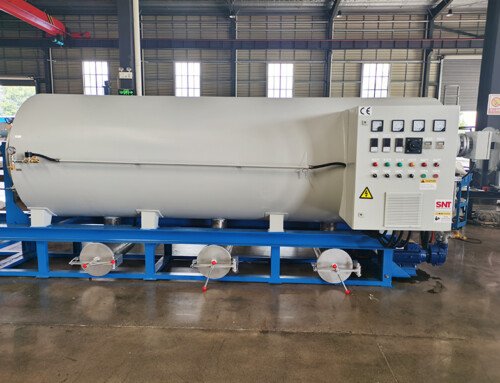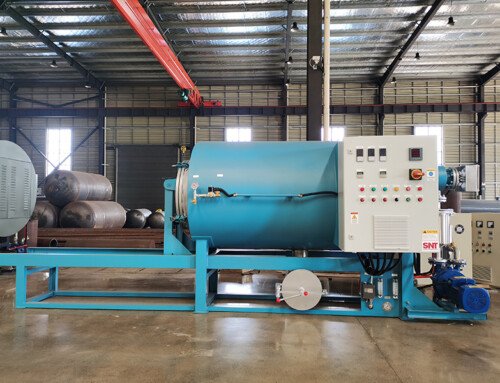
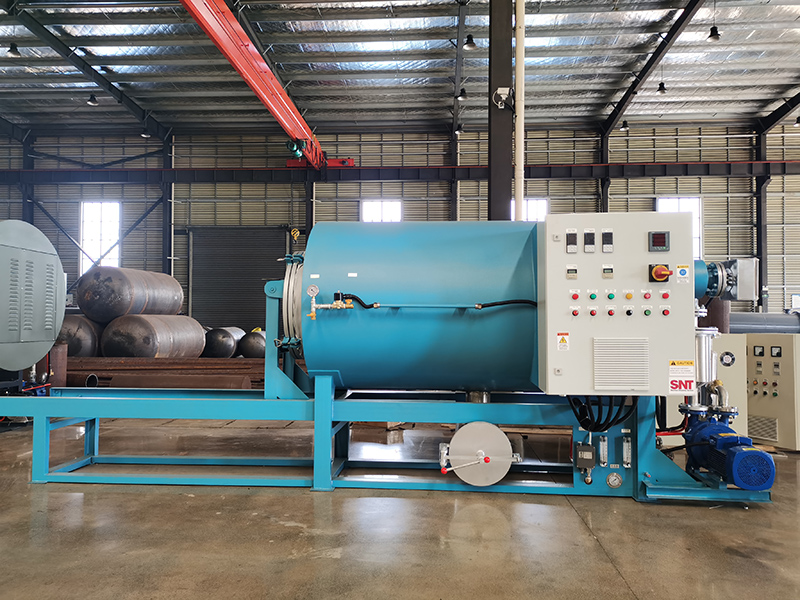
For medium size finishing factories that handle recurring coating buildup on jigs, fixtures and production tooling, integrating a burn off oven into the workflow creates a consistent, low-labor method to strip accumulated organic layers without the harsh chemical exposure and long turnaround times of manual stripping processes. The unit’s footprint and load capacity are sized to match the typical batch volumes most mid-scale finishing operations process every shift, so it does not create unnecessary bottlenecks or take up excessive floor space that could be used for other core production tasks. This setup also aligns well with the moderate production cadence of most medium finishing facilities, eliminating the overcapacity and high idle runtime waste that often comes with installing systems built for far larger industrial operations.
Worksite layout and ventilation setup for smooth daily operation
Before placing the burn off oven in your facility, map out a dedicated zone that keeps the unit separated from spray booths, solvent storage areas and finishing line stations where flammable materials are regularly handled. Leave clear, unobstructed access on all sides of the unit for loading carts, routine maintenance and emergency egress, so operators can move heavy tooling in and out safely without navigating around stacked inventory or active production equipment. Install dedicated exhaust ducting that runs directly from the oven’s outlet to a properly treated external vent, and make sure the entire exhaust path is free of sharp bends or narrow restrictions that could trap particulate matter and reduce airflow efficiency during the burn cycle. Position the unit on a level, non-flammable floor surface that can handle sustained elevated ambient temperatures near the oven body, and keep nearby fire suppression systems calibrated to match the specific thermal profile of this type of equipment.
Optimized load preparation and cycle scheduling for mid-scale production
The most consistent results from a burn off oven come from intentional load planning that fits naturally into the existing shift rhythm of a medium finishing factory.
Sort all tooling, jigs and hangers by the thickness and type of accumulated coating before loading, grouping items with similar buildup levels together so every batch runs with a uniform thermal profile and no parts are under-processed or exposed to unnecessary extended heat.
Arrange items on heavy duty loading carts to leave small, even gaps between every individual part, so hot air can circulate fully around every surface and eliminate cold spots that leave thin, un-stripped coating residue in hidden crevices.
Schedule full burn cycles to run during low-production or off-shift hours whenever possible, so the oven’s power draw and exhaust output do not create unexpected strain on facility utilities while the main finishing line is running at peak throughput.
Routine maintenance and process safety for long term reliable use
Establish a simple, repeating maintenance routine that keeps the oven operating efficiently and reduces unplanned downtime that would disrupt your regular finishing workflow.
Inspect the internal chamber, door seals and exhaust filters at the end of every full operating week, clearing away loose ash and residual particulate that builds up on interior surfaces after repeated burn cycles.
Verify all safety interlocks, over-temperature protection sensors and airflow monitoring points once a month, to confirm every safety feature triggers as intended if an unexpected process deviation occurs during operation.
Train a small dedicated group of operators on the full startup, cycle monitoring and shutdown sequence, so consistent operating practices are followed every time the oven runs, and no untrained staff attempt to adjust process parameters without full context of the equipment’s thermal behavior.
Waste handling and post-cycle part finishing best practices
After every burn cycle completes and the chamber has fully cooled down to a safe handling temperature, move the loaded cart to a designated dedicated post-processing station separate from the main finishing line. Use low-pressure compressed air and a soft wire brush to gently clear away any remaining fine ash residue from every part surface, before moving the freshly stripped tooling back into regular finishing rotation. Collect all accumulated ash and residual process waste in sealed, labeled containers that follow local environmental regulations for disposal of thermally decomposed coating materials. This final step ensures no leftover particulate contaminates the clean finishing environment, and keeps the entire integrated workflow running smoothly without introducing unexpected quality issues into your regular production output.