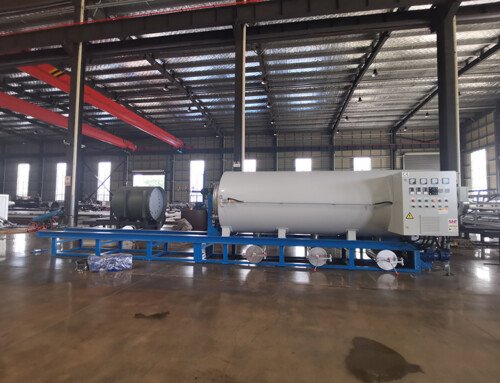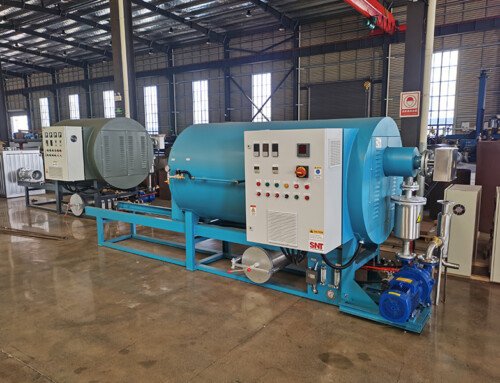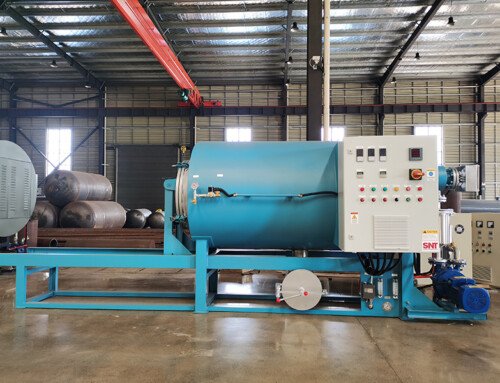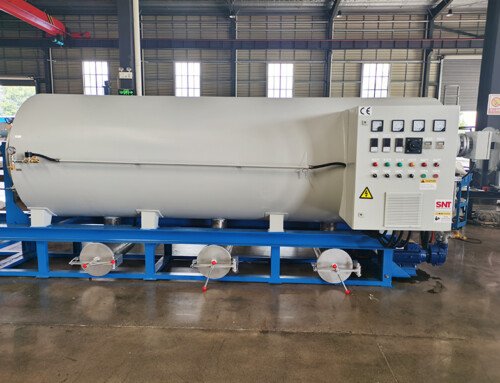
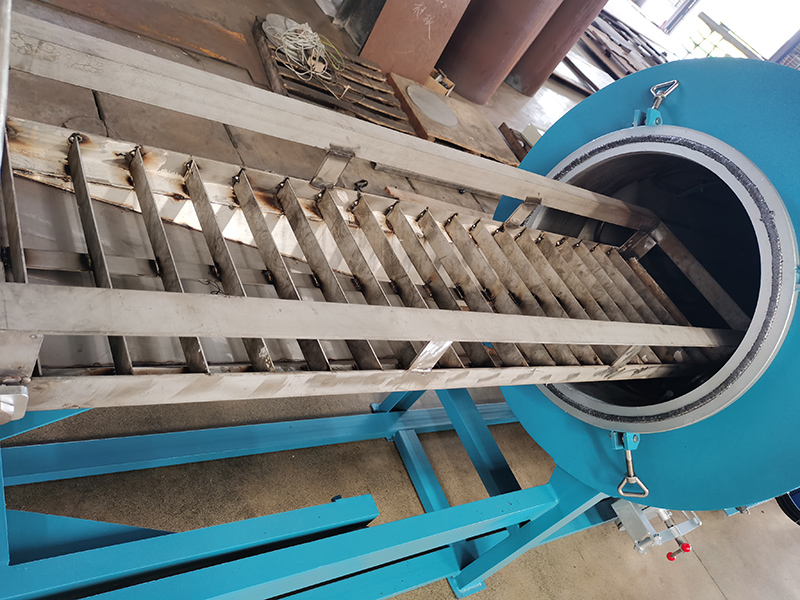
Adhesive residue that accumulates on tooling, jigs, and production components after repeated manufacturing cycles creates persistent operational headaches that standard cleaning methods often cannot resolve fully. Conventional approaches like chemical soaking, manual scraping, and high-pressure abrasive blasting frequently leave micro-traces of cured polymer behind, scratch precision machined surfaces, or generate large volumes of hazardous waste that demands complex, costly disposal. Thermal decomposition in a burn off oven provides a controlled, repeatable process that breaks down fully cross-linked adhesive layers into harmless volatile compounds and minimal fine ash, without relying on harsh solvents or high-impact mechanical contact that can damage high-value parts.
Staged Heat Ramp Design for Controlled Adhesive Breakdown
Different classes of industrial adhesive have unique thermal decomposition profiles that must be mapped carefully to avoid unintended side effects during the cleaning cycle. Soft, low-temperature pressure-sensitive adhesives and hot melt formulations start to soften and break down at relatively low temperature thresholds, while high-performance structural epoxies, polyurethanes, and high-temperature silicones require sustained exposure to far higher temperatures to fully break their dense cross-linked polymer chains. Running a one-size-fits-all maximum heat cycle for every type of residue almost always leads to incomplete charring, sudden spattering of molten adhesive, or unintended thermal stress on the underlying substrate.
A properly structured heating sequence opens with a low-temperature pre-soak phase that slowly drives out all residual moisture and light trapped volatiles from within the adhesive matrix. This step prevents rapid internal pressure buildup that can cause thick adhesive layers to bubble, eject molten material, or leave stubborn secondary deposits on the inner chamber walls. Once all light volatiles are fully released, the oven temperature rises at a steady, calibrated rate to the target decomposition range, where it is held for a duration matched to the total thickness of the residue and the heat tolerance of the base part. This staged approach ensures every layer of adhesive breaks down uniformly, even on complex geometries with deep crevices, threaded holes, and narrow gaps that are unreachable with manual cleaning tools.
Oven Atmosphere Tuning for Complete Residue Elimination
Balancing oxygen flow and chamber atmosphere stability is just as critical as temperature control for achieving fully clean, residue-free parts after the thermal cycle. Too little circulating oxygen during decomposition leaves thick, black charred carbon layers stuck firmly to the substrate surface, requiring extra labor-intensive scrubbing to remove before parts can return to service. Unregulated, excessive oxygen flow paired with peak temperatures, on the other hand, triggers uncontrolled rapid combustion that can warp thin metal components, cause surface oxidation on precision parts, or create unexpected hot spots inside the chamber.
A carefully calibrated air intake and exhaust system maintains a consistent, balanced oxygen level across every zone of the chamber for the full duration of the cycle. All volatile fumes released during adhesive breakdown are routed through a secondary high-temperature treatment zone, where any remaining unburned organic compounds are fully oxidized before being released to facility exhaust. This eliminates visible smoke, strong chemical odors, and harmful airborne byproducts that would otherwise require complex external air filtration systems to meet environmental compliance requirements. This tuned atmosphere setup guarantees uniform decomposition across every loaded part, even when processing batches of components with highly irregular shapes and deep internal passages.
Post-Cycle Cooling and Substrate Protection Workflows
The cooling phase that follows the thermal decomposition cycle plays a huge, often overlooked role in preserving the dimensional accuracy and surface integrity of cleaned parts. Flooding the hot chamber with cold ambient air immediately after the heating cycle ends causes uneven thermal contraction across thick and thin sections of metal tooling, introducing subtle warping, micro-cracks, or dimensional shifts that ruin the precision tolerance of high-value molds and machined components. A well-designed workflow keeps all parts inside the insulated, sealed chamber for a gradual passive cool down period, where temperature drops slowly and evenly until it reaches a safe handling threshold with zero risk of thermal shock.
Once parts cool completely to room temperature, any leftover fine powdery ash from the decomposed adhesive can be removed easily with low-pressure compressed air or a gentle room-temperature water rinse. This leaves the original substrate surface completely intact, free of deep scratches, chemical etching, or invisible residual adhesive traces that would interfere with subsequent bonding, coating, or assembly processes. Facilities that follow standardized post-cycle cooling and handling protocols report far fewer rejected parts, longer tooling service life, and far more consistent cleaning results across every batch of components processed through the system.