Low-ramp thermal profile for delicate spinneret integrity
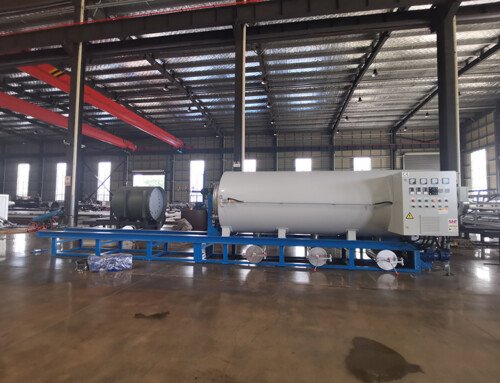
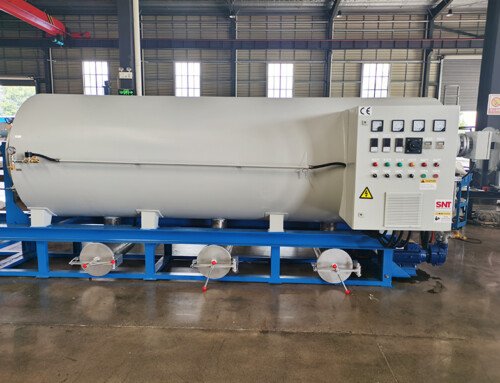
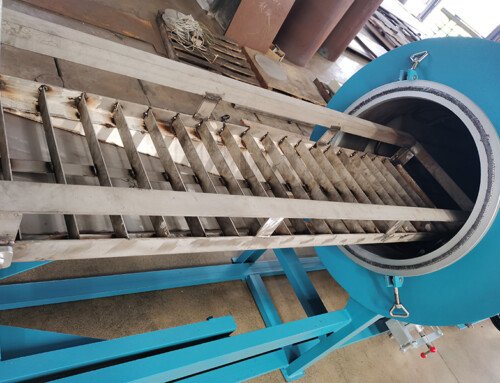
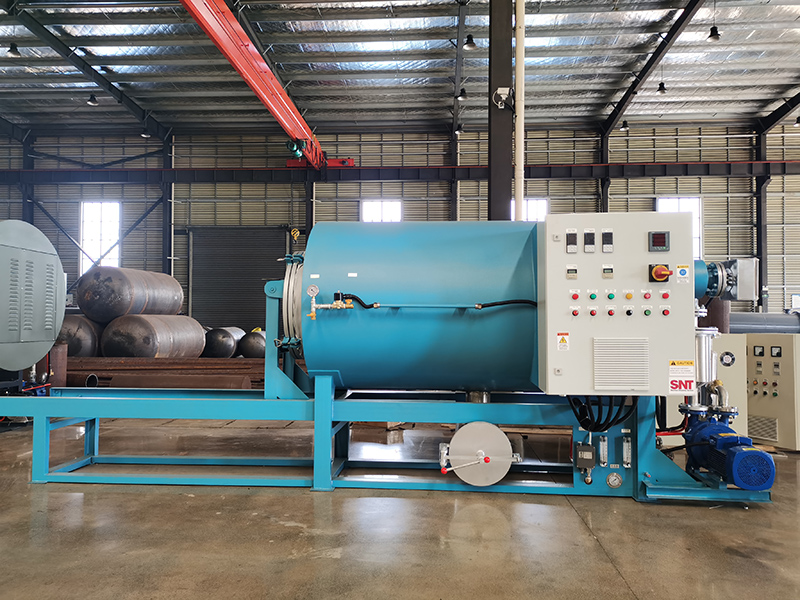
The cleaning cycle begins with an extremely slow, controlled temperature ramp that gradually heats the entire spinneret assembly evenly across every surface. This avoids sudden thermal shock that could cause uneven expansion, micro-cracking, or warping in precision-machined spinneret plates, especially those made from thin, high-grade stainless steel or specialized alloy materials. As the temperature rises to a carefully calibrated mid-level hold point, residual polymer trapped deep inside even the smallest micro-orifices softens, vaporizes, and carbonizes slowly, rather than boiling violently and leaving hard, baked-on carbon deposits that are far harder to remove later. This gradual heating phase ensures every trace of polymer, no matter how deep inside an orifice it sits, is exposed to consistent heat, so there are no hidden pockets of unprocessed material left behind once the cycle moves to its final stage.
Post-oxidation residue removal and orifice clearing
After the primary thermal decomposition phase is complete, a controlled flow of fresh, filtered air is introduced into the chamber to support full, clean oxidation of all remaining carbonized material. This step converts almost all solid residual deposits into fine, loose ash that does not stick to the spinneret’s polished metal surfaces, rather than leaving hard, adherent carbon layers that would block orifices. Once the full cycle finishes and the unit cools down to a safe handling temperature, the spinneret is removed and subjected to a very gentle, low-pressure air blast followed by a soft, non-abrasive ultrasonic rinse to flush away any remaining loose ash particles. No hard cleaning needles or sharp tools are used during this stage, eliminating the common risk of scratching or deforming the precision orifice walls, which would disrupt the even flow of polymer during subsequent spinning operations. The final result is a fully cleaned spinneret with every orifice completely clear, and all critical sealing and reference surfaces completely undamaged.
Cycle optimization for different polymer types
Different textile production processes leave behind vastly different residual polymer formulations, each with unique decomposition characteristics that require tailored cycle parameters. High-melting-point engineering polymers, for example, need a longer hold time at a slightly higher temperature to break down completely, while soft, low-viscosity fiber polymers can be processed on a shorter, more energy-efficient cycle to minimize total cycle time. Operators build a library of custom cycle profiles matched to the exact polymer types their facility processes, so they never waste unnecessary energy or expose delicate spinnerets to more heat than strictly required for full cleaning. This level of fine tuning also prevents unnecessary thermal stress that would otherwise accumulate over dozens of cleaning cycles, extending the usable service life of each high-value spinneret far beyond what is possible with harsher, less targeted cleaning methods.
Post-cleaning validation and spinning performance verification
The final step in the full cleaning workflow goes far beyond a simple visual check to confirm no orifices are blocked. Every cleaned spinneret is inspected under high-magnification lighting to confirm all orifice openings are completely clear, and no residual ash or faint carbon traces remain along the spinneret face. Many facilities also perform a short test spin run with low-pressure, clean polymer melt to confirm the flow rate through every single orifice is perfectly uniform, with no partial blockages that would create uneven fiber diameter or frequent filament breaks during full production. This validation step ensures the spinneret is ready to go straight back into high-volume production without unexpected quality issues, and creates a clear performance record that teams can reference to refine and improve their burn off oven cleaning cycles over time.