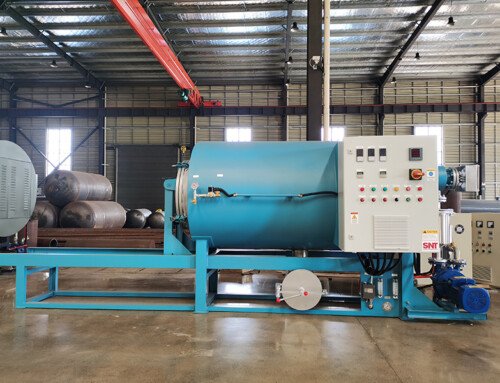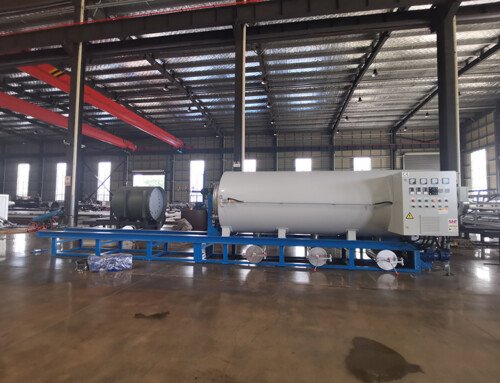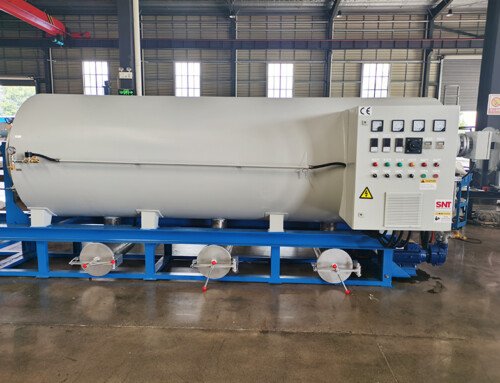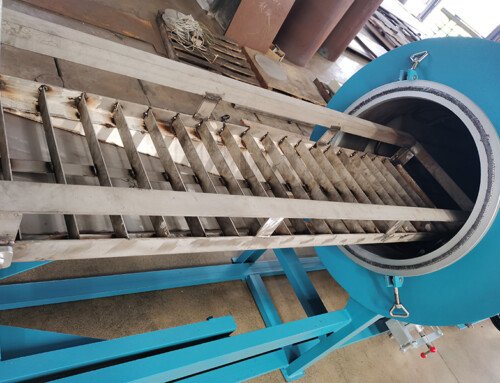
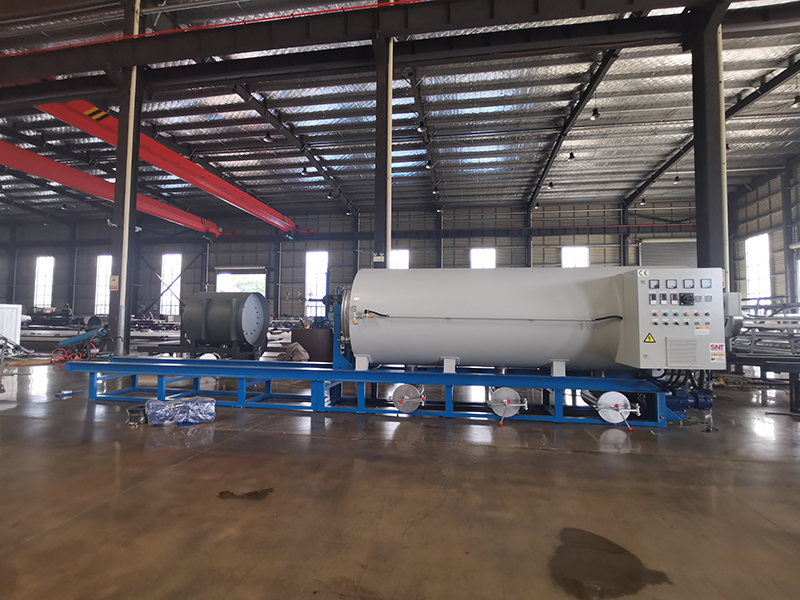
Burn off oven systems designed for environmentally compliant coating stripping operate on a carefully controlled thermal decomposition principle that removes organic coatings from metal substrates without the harsh chemical exposure or excessive emissions associated with older stripping methods. The process breaks down paint, powder coatings, adhesives, and polymer layers into simple, manageable byproducts, while preserving the full mechanical properties of the underlying metal part, hanger, or fixture. This makes it a practical solution for facilities that need to keep their operations aligned with strict local environmental regulations while processing high volumes of coated components on a regular basis.
Controlled two-stage thermal decomposition workflow
The core of the compliant coating stripping process relies on a two-zone temperature profile that keeps organic material from burning uncontrollably at any point during the cycle. In the primary chamber, temperature is held at a carefully calibrated level that causes the coating to gradually vaporize and carbonize, rather than ignite instantly and create large volumes of unfiltered smoke. The volatile fumes released in this first stage are immediately routed to a secondary high-temperature zone, where they are held at a much higher threshold for a set minimum dwell time. This extended high-heat exposure completely oxidizes almost all remaining volatile organic compounds, hazardous air pollutants, and particulate matter before any gas stream leaves the system’s controlled processing envelope. This staged approach eliminates the incomplete combustion that causes visible black smoke and unprocessed emissions, a common issue with basic, unregulated thermal stripping setups.
Emissions control and process parameter tuning
Even the most well-designed thermal system will fail environmental compliance requirements if its operating parameters are not calibrated to match the exact type and volume of coating being processed. Facilities that run a mix of different coating chemistries, from thick epoxy layers to thin plastisol films, need to adjust ramp rates, hold temperatures, and dwell times for each load type to ensure no unprocessed fumes slip through the aftertreatment stage. Continuous monitoring of exhaust temperature, opacity, and outlet gas composition gives operators real-time feedback to fine-tune these settings, and prevents the system from drifting out of compliance after hours of nonstop operation. Additional integrated treatment steps, like dry particulate filtration or residual activated carbon adsorption, can be added as a final polishing stage for facilities working with especially heavy or complex coating formulations, to ensure the final exhaust stream meets even the strictest local regulatory limits.
Material safety and part integrity protection
Environmentally compliant coating stripping does not just focus on exhaust quality; it also prioritizes protecting the base metal parts being processed, and keeping the surrounding workshop environment safe for operating staff. The system’s temperature profile is calibrated to stay well below the melting point, tempering threshold, or distortion temperature of the most common substrate materials, so high-value hangers, tooling, and production components leave the process completely undamaged and ready for reuse. Sealed chamber design prevents stray hot spots, open flames, or sudden pressure spikes from creating safety hazards on the workshop floor, and integrated over-temperature interlocks automatically pause the cycle if any operating parameter moves outside its predefined safe range. This eliminates the risk of accidental part warpage, operator burns, or uncontrolled fire events that can happen with poorly managed thermal stripping operations.
Long-term compliance documentation and routine maintenance
To maintain consistent environmental compliance over years of operation, facilities build a structured routine of cycle logging, equipment inspection, and preventive maintenance that keeps the system performing at peak efficiency. Every processing run is logged with start time, temperature profile data, exhaust monitoring readings, and load composition details, creating a clear audit trail that can be referenced during regulatory inspections. Scheduled periodic inspections of heating elements, chamber seals, and afterburner components catch minor wear issues before they cause a drop in emission treatment performance, and routine calibration of temperature sensors and gas monitoring probes ensures all readings stay accurate over thousands of operating cycles. This consistent, documented approach turns the burn off oven from a simple processing tool into a fully auditable, regulation-aligned part of the facility’s overall environmental management strategy.