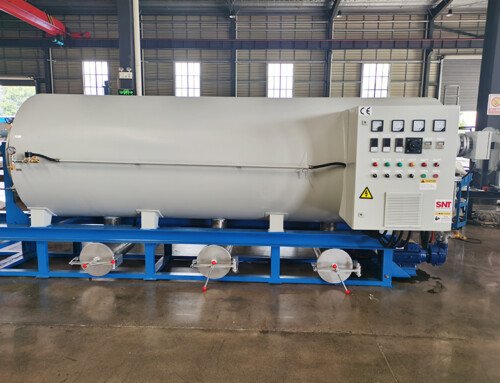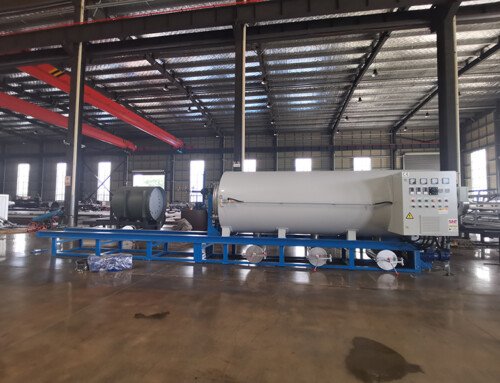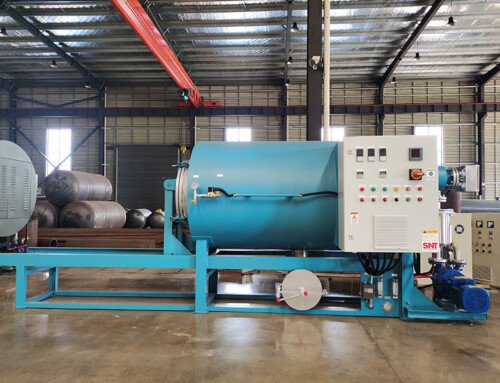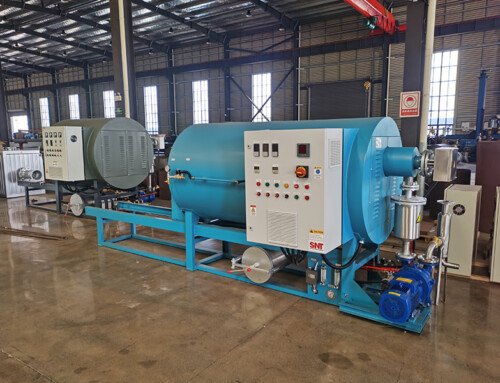
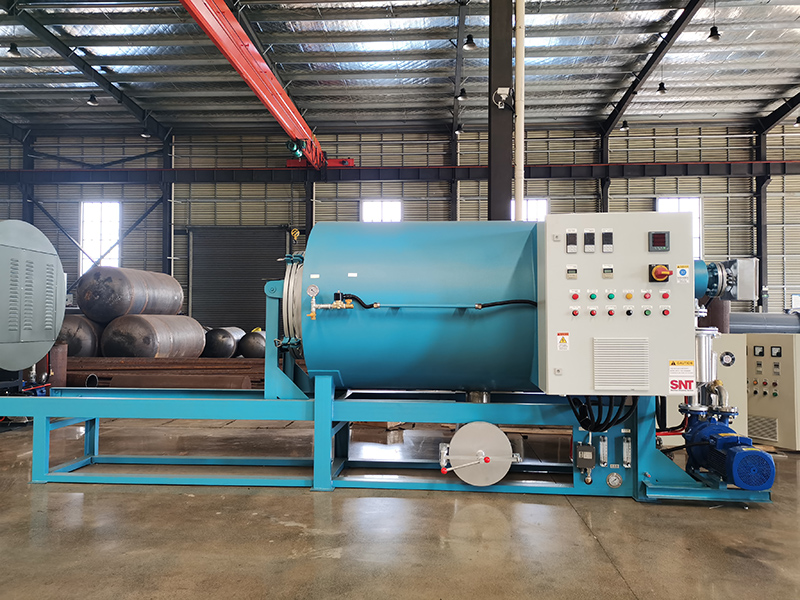
Temperature control failure in a screw cleaning furnace disrupts the precise thermal profile required for consistent, residue-free cleaning of polymer processing components. Unstable or incorrect temperature readings can lead to incomplete decomposition of residual material, unintended overheating of workpieces, or extended cycle times that reduce overall operational efficiency. A systematic, step-by-step fault handling process helps operators isolate the root cause quickly and restore normal operation without unnecessary downtime.
Sensor and signal path troubleshooting
The first step in handling temperature control failure is to verify the accuracy and responsiveness of all temperature sensing elements installed inside the furnace chamber. Technicians check for physical damage, carbon buildup, or loose mounting that could prevent the sensor from capturing true internal temperature conditions accurately. They then trace the entire signal path from the sensor to the control unit, checking for loose wiring connections, signal interference, or degraded insulation that could distort real-time temperature data being sent to the control system. This process eliminates false readings that make the control system act on incorrect information, even when actual chamber temperatures remain within normal operating ranges.
Heating element and power delivery inspection
When temperature fails to rise as programmed or drifts far beyond the setpoint, the next focus shifts to the heating system and its power supply. Operators check for uneven power distribution across heating zones, partial element burnout, or loose electrical terminals that reduce total heat output below the required level. They also verify that power supply voltage remains stable across the entire heating cycle, as unexpected voltage fluctuations can cause inconsistent heating performance that the control system cannot fully compensate for. This step identifies hardware issues that prevent the furnace from reaching or maintaining the target temperature, even when the control unit sends correct output signals.
Control logic and parameter recalibration
After ruling out sensor and heating hardware faults, technicians review all temperature control parameters stored in the system to identify incorrect settings that may have been accidentally modified or corrupted. They compare current configuration values against the original process specification, checking for misconfigured ramp rates, incorrect temperature hold durations, or improperly set safety interlock thresholds. A controlled, low-temperature test run is then performed after adjustments, to confirm that the system can now follow the full programmed thermal curve smoothly without unexpected deviations. This recalibration ensures the control system can accurately regulate heat output to match the exact requirements of each screw cleaning cycle.
Thermal load and heat distribution verification
Even after the control system appears to function normally, uneven heat distribution inside the chamber can still create the appearance of temperature control failure. Operators check for accumulated carbon deposits on internal heat transfer surfaces that act as insulation, preventing heat from reaching the chamber workspace evenly. They also confirm that the furnace door and all sealing components are properly closed and seated, to eliminate unintended heat loss that creates uncompensated temperature gradients across the load. This final verification step ensures that temperature control performance remains stable and consistent across every full cleaning cycle after the fault handling process is completed.