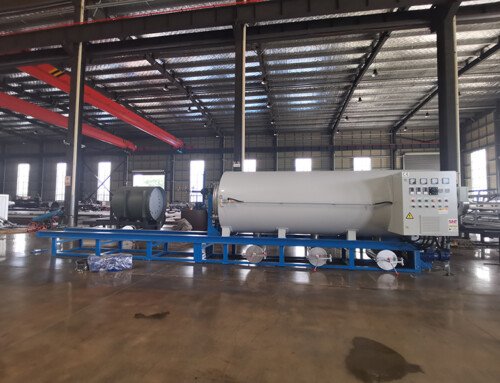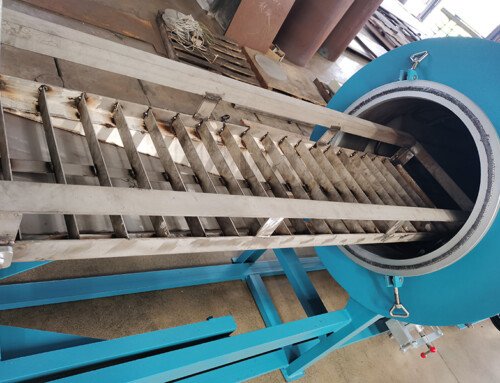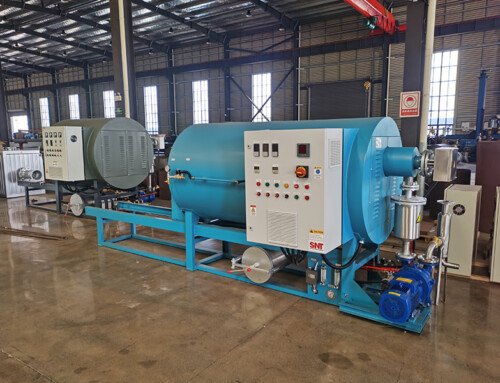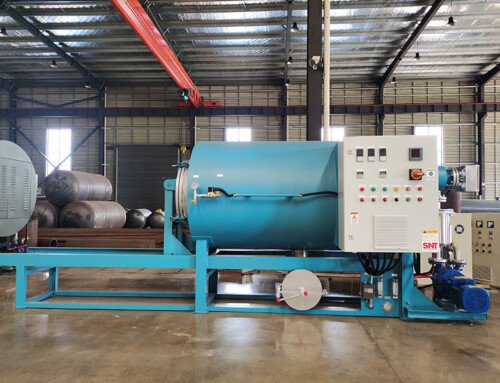
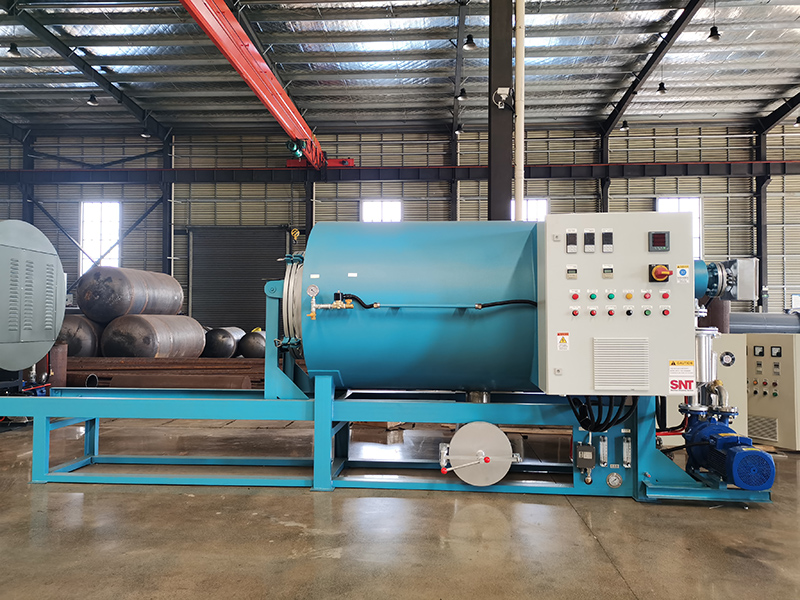
Addressing moisture-related failures in a screw cleaning oven requires a methodical approach that begins with immediate containment and damage assessment. When moisture intrusion is suspected or confirmed—often indicated by unexplained electrical faults, corrosion on metal surfaces, or inconsistent heating—the first critical step is to completely disconnect the oven from all power sources and lock out the main breaker. Do not attempt to power on the unit. A thorough visual inspection follows, focusing on all electrical enclosures, terminal boxes, heating element connection points, control panels, and the interior chamber. Look for visible water droplets, condensation, rust formation on steel parts, or white, powdery corrosion (efflorescence) on refractory materials. The presence of moisture in the insulation is a severe issue, as it drastically reduces thermal efficiency and can lead to further internal corrosion.
Systematic Drying Procedures and Component Inspection
After identifying the extent of the moisture, a controlled drying process must be initiated. For the oven interior and mechanical parts, using forced air from a portable industrial dryer or dehumidifier at ambient temperature is the safest first step. Avoid applying direct heat from the oven’s own heating elements at this stage, as rapid heating can drive moisture deeper into insulation or cause thermal stress to already compromised components. For electrical cabinets and control panels, carefully open them (after ensuring power is off) and use low-pressure, dry compressed air to blow out any loose moisture, followed by gentle drying with a low-wattage heat gun on a cool setting held at a safe distance. Silica gel desiccant bags can be placed inside enclosures to absorb residual humidity. Once the system appears dry, a critical inspection of all electrical components is necessary. Check wiring for green corrosion on copper terminals, examine insulation for brittleness or cracks, and assess contactors, relays, and circuit boards for signs of water ingress or short-circuit damage.
Testing and Verifying Electrical System Integrity
Before reapplying power, comprehensive electrical testing is non-negotiable for safety. Using a properly rated multimeter, perform continuity and insulation resistance (megger) tests on all major circuits, including heating elements, circulation fans, temperature sensors, and control wiring. Heating elements should be checked for ground faults, as moisture can create a conductive path from the element coil to the sheath. Temperature sensors like thermocouples or RTDs must be tested for accuracy and insulation breakdown. All safety circuits, including door interlocks and over-temperature limits, must be verified for proper operation. If any component shows signs of failure, corrosion, or out-of-specification readings during these tests, it must be replaced with a component of the correct rating. Do not bypass or attempt to repair moisture-damaged electrical safety devices.
Post-Repair Moisture Prevention and System Validation
Following repairs and replacements, the root cause of the moisture ingress must be identified and corrected to prevent recurrence. Common sources include leaking water jackets (if equipped), failed door or port seals allowing humid ambient air entry during cooling cycles, a leaking roof or pipe above the oven, or operation in an environment with extremely high humidity without adequate ventilation. Install or repair environmental controls as needed. Once corrective actions are taken, conduct a controlled dry run of the oven. Start with a low-temperature cycle, gradually ramping up over several hours while monitoring for any unusual sounds, smells, or electrical anomalies. Use the oven’s data logging or an independent temperature profiler to verify it reaches and maintains setpoints accurately. Implementing a routine inspection schedule for seals and a preventative maintenance check of electrical insulation resistance can provide early warning of future moisture-related problems.