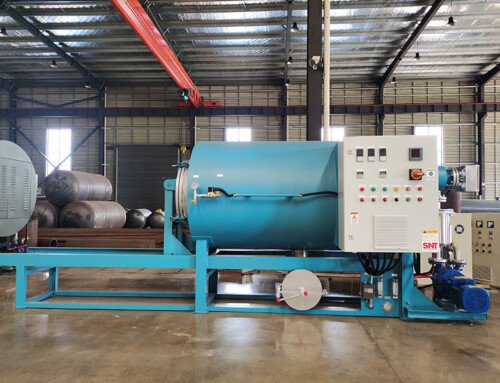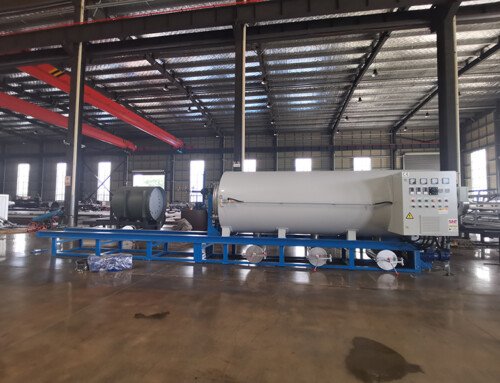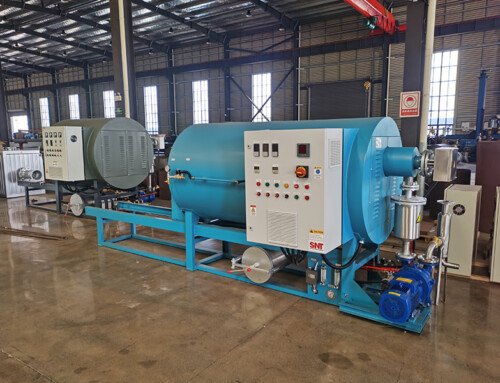
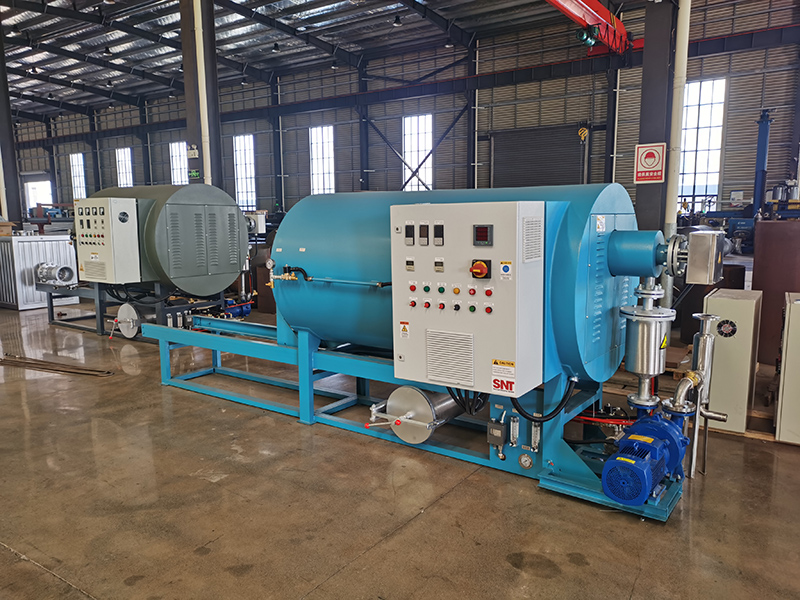
Precision Cleaning Furnace Selection Guide for Screw Barrel Applications
Precision cleaning is a different beast from bulk degreasing. When you are dealing with screw barrels that need to come out spotless down to the micron level, the usual specs people look at do not tell the whole story. You are not just removing carbon. You are protecting surface finishes, preserving tight tolerances, and ensuring that no residue affects the next production run. Getting this wrong means rework, scrap, or worse, contaminated output that passes inspection until it fails in the field.
This guide walks through what actually matters when you are selecting a precision-grade screw vacuum cleaning furnace.
What Makes a Furnace “Precision” Instead of Just “Clean”
The word precision gets thrown around a lot in this industry. A real precision furnace is defined by three things: repeatable temperature control, stable vacuum hold, and contamination-free chamber design. Anything less is just a hot box with a pump attached.
Temperature Stability Is the Foundation
For precision work, you need temperature uniformity within plus or minus 1 degree Celsius across the entire chamber. That sounds tight, but it is the minimum. When you are cleaning residues that decompose in narrow temperature windows, a 5-degree swing can mean the difference between complete removal and partial burn-off that leaves a ghost film on the surface.
Multi-zone heating with independent PID control on each zone is what you want. Single-zone systems heat the chamber like an oven, which creates gradients. Gradients create inconsistent cleaning. Inconsistent cleaning creates re-runs.
Vacuum Hold Capability Matters More Than Ultimate Vacuum
Most buyers chase the lowest Pascal number. But for precision cleaning, what matters is how well the furnace holds that vacuum at operating temperature. A system that pulls down to 1 Pa but drifts to 50 Pa after 30 minutes at 450 degrees Celsius is useless for precision work. The drift lets oxygen back in, which causes micro-oxidation on clean metal surfaces.
Look for furnaces that maintain vacuum within 5 percent of target for the full hold duration. This is a spec you should ask for in writing before you even look at the chamber size.
Chamber Design Details That Separate Precision from General Purpose
Two furnaces can have identical temperature and vacuum specs and still perform completely differently. The difference lives in the chamber.
Interior Surface Finish and Material
A precision furnace should use electropolished 316L stainless steel for the interior. The surface roughness should be Ra 0.4 micrometers or better. Why does this matter? Rough surfaces trap residue. Every cleaning cycle leaves a thin film of carbon or polymer behind if the surface is not smooth enough. Over 500 cycles, that film builds up and starts flaking off onto your workpieces.
Electropolishing removes the micro-peaks and valleys where contamination hides. It also makes the chamber easier to clean between batches, which cuts downtime.
Loading Configuration and Fixture Design
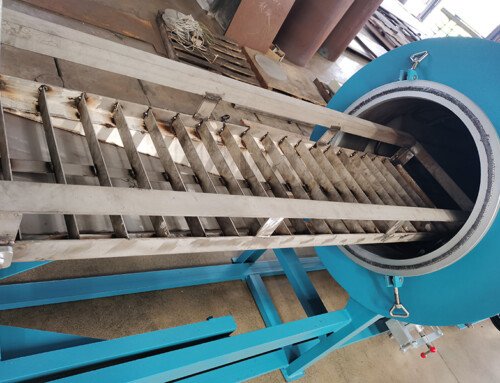
How you load the screw barrel changes everything. If parts sit directly on the chamber floor, the bottom surface gets shadowed from both heat and vacuum exposure. Precision furnaces come with quartz or ceramic support fixtures that elevate the workpiece and allow gas flow around all surfaces.
Fixtures should be adjustable for different barrel diameters and lengths. A fixed fixture that only fits one size forces you to run with gaps, and gaps mean uneven cleaning. If the manufacturer cannot show you fixture options for your specific barrel geometry, that is a red flag.
Process Control Features That Enable True Precision
Hardware gets you halfway there. The other half is process control. A precision furnace without smart controls is just expensive dead weight.
Programmable Multi-Stage Temperature Profiles
Precision cleaning is not a single-temperature soak. It is a sequence. You pre-heat to drive off moisture, ramp to a mid-stage temperature to soften heavy carbon, then push to a high-temperature bake to crack and volatilize stubborn residues. Each stage needs its own dwell time and ramp rate.
A good PLC system lets you save multiple recipes. You might have one profile for light carbon buildup and another for heavy polymer degradation. Switching between them should take seconds, not hours of manual reprogramming.
Automated Slag and Residue Discharge
In precision cleaning, you cannot open the chamber and scrape out residue by hand. That introduces contamination and breaks vacuum. Look for furnaces with bottom-discharge or side-port residue collection systems that operate automatically at the end of the cycle. The residue goes into a sealed container, not onto your floor or back onto your parts.
This feature alone can reduce post-cleaning handling time by 40 percent and eliminate the biggest source of cross-contamination in a precision environment.
How to Validate Precision Before Committing
Specs on paper mean nothing if the furnace cannot deliver in your actual application. There are a few tests you should run before making any decision.
Run a Vacuum Decay Test at Temperature
Ask the manufacturer to perform a vacuum decay test at your target operating temperature. Seal the chamber, pull it down to working vacuum, then isolate the pump and measure how much the pressure rises over 60 minutes. A precision furnace should show less than 10 percent pressure rise. Anything higher indicates micro-leaks that will ruin your cleaning consistency.
Clean a Test Barrel and Measure the Result
Do not take their word for it. Send them a dirty barrel from your own production line. Have them clean it using their recommended precision profile. When you get it back, inspect it under magnification. Check for residue, surface discoloration, and dimensional changes. If the surface finish has changed or tolerances have shifted, the furnace is not precision-grade no matter what the spec sheet says.
Matching Furnace Capacity to Your Precision Workload
Oversizing a precision furnace is a common mistake. A large chamber with a small load wastes energy and creates temperature instability. A small chamber crammed with parts creates shadowing and uneven vacuum exposure.
Calculate Your Real Daily Volume
Count the actual number of barrels you need to clean per day, not per month. Then add 20 percent buffer for maintenance cycles. Size the chamber so you can run that daily volume in one or two batches, not four. Fewer batches mean less thermal cycling on the chamber, which extends component life and keeps temperature profiles more stable over time.
Consider Future Process Changes
If you are cleaning multiple polymer types or switching materials, make sure the furnace can handle the full temperature range you will need. Some precision furnaces top out at 500 degrees Celsius. If you ever need to clean PEEK or PPS residues, you will need 600 degrees Celsius or higher. Building that flexibility in from the start saves you a full replacement down the road.