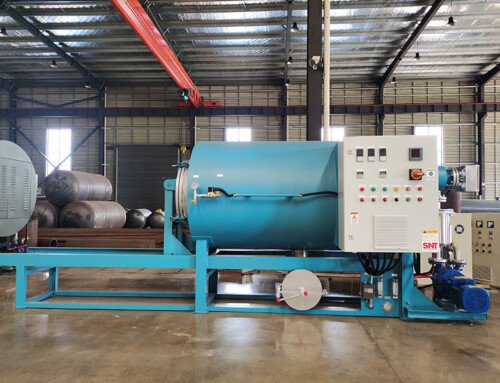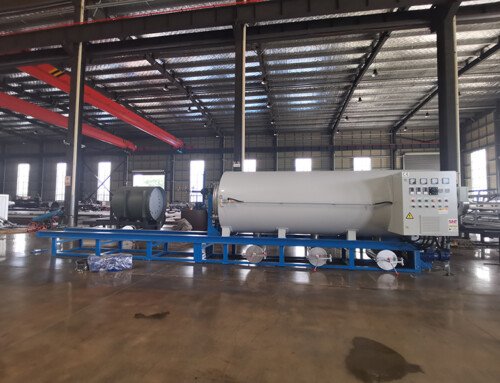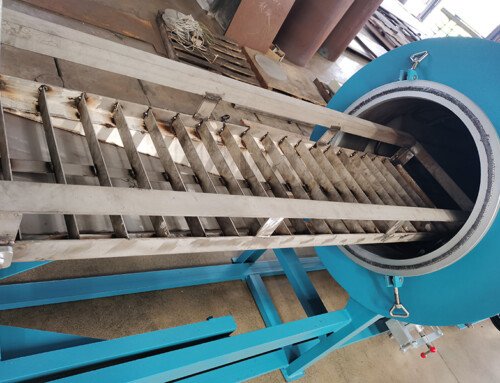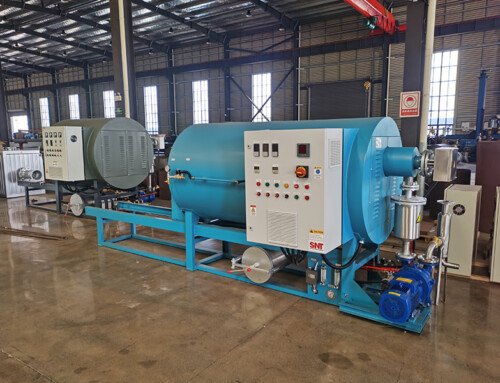
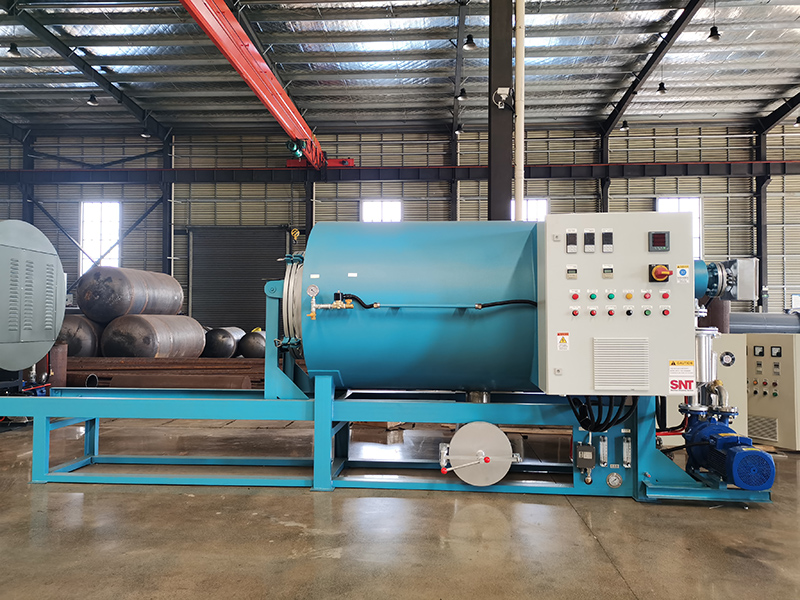
Screw Cleaning Furnace Safety Configuration: What to Look for Before You Buy
Buying a screw cleaning furnace without understanding the safety specs is like driving without brakes. You might get away with it for a while. Then you don’t. These machines operate at extreme temperatures inside vacuum chambers, and when something goes wrong, it goes wrong fast. The difference between a safe installation and a disaster comes down to the configuration choices you make before signing anything.
Here’s exactly what matters when it comes to safety.
Temperature Control Is Your First Line of Defense
The single biggest safety risk in any cleaning furnace is temperature runaway. When the heating system overshoots, you get degraded components, damaged workpieces, and in the worst case, a fire inside a sealed vacuum chamber. That’s not theoretical. It happens regularly in poorly configured units.
Precision Matters More Than You Think
Look for temperature control accuracy of ±1℃ or tighter. Anything wider than ±3℃ is a red flag. The reason is simple: cleaning processes for polymer residues on screws and filter cores require precise thermal ramps. If the temperature swings too far above or below the set point, organic materials don’t decompose cleanly. They char. They create pressure spikes. And in a vacuum environment, pressure spikes mean the chamber can fail.
A quality furnace uses segmented heating technology with multiple temperature nodes — typically 3 to 5 programmable stages. This prevents localized overheating and ensures the entire chamber heats evenly. If the spec sheet only mentions a single heating zone, walk away.
Redundant Sensors Are Non-Negotiable
One temperature sensor is a gamble. Two is a minimum. The best configurations use triple-redundant thermocouples with automatic cross-checking. If one sensor drifts, the control system catches it before the temperature climbs into dangerous territory. This is especially critical for applications in the semiconductor and pharmaceutical sectors, where even a 5℃ deviation can ruin an entire batch or create toxic byproducts.
Explosion Protection and Enclosure Ratings
A screw cleaning furnace is essentially a pressure vessel operating at high temperature. That alone demands serious explosion-proof engineering. But not all manufacturers take this seriously, and the difference shows up in the certification ratings.
Know Your Explosion-Proof Ratings
The explosion-proof rating tells you how well the equipment can contain an internal ignition without letting it propagate to the outside environment. Look for Exd Ⅱ CT4 as the baseline. For chemical or new energy applications where flammable solvents or reactive residues are present, you need Ex db ⅡC T2 through T6 Gb. That’s not overkill. That’s basic due diligence.
The “d” in Exd means flameproof enclosure — the housing is built to withstand an internal explosion. The “b” in Exdb means increased safety, which adds extra protection against arcing and overheating. If your cleaning process involves any volatile compounds, the higher rating isn’t optional.
Ingress Protection Rating Should Be IP66 Minimum
Dust and moisture are silent killers of electrical systems inside a furnace. An IP66 rating means the enclosure is fully dust-tight and can handle powerful water jets from any direction. This matters because cleaning furnaces often sit in industrial environments where coolant splashes, chemical vapors, and particulate buildup are daily realities. Anything below IP66 and you’re asking for short circuits, corroded contacts, and unexpected shutdowns.
Automatic Safety Systems That Actually Work
Manual safety checks are good. Automatic safety systems are better. The best screw cleaning furnaces today run on PLC-based intelligent control systems that monitor every critical parameter in real time and react faster than any human operator could.
Vacuum Leak Detection and Emergency Shutdown
A sudden loss of vacuum inside a heated chamber is catastrophic. The pressure differential can implode the chamber or force superheated gases into the surrounding area. A proper system monitors vacuum levels continuously and triggers an automatic shutdown within 0.5 seconds of detecting an anomaly. This isn’t a nice-to-have feature. It’s the bare minimum for any furnace operating above 300℃.
The vacuum pump itself needs regular maintenance — oil changes every 500 hours using ISO VG100 grade oil, and airtightness testing every 1000 hours. Skip this, and the vacuum degradation happens slowly enough that you won’t notice until the safety margin disappears entirely.
Over-Temperature and Over-Pressure Interlocks
These two protections work together. The over-temperature interlock cuts power to the heating elements the moment the chamber exceeds the set point by even a few degrees. The over-pressure interlock does the same if internal pressure rises beyond safe limits. Both should be hardware-based, not software-only. Software can crash. A hardware relay doesn’t care about your operating system.
Some advanced configurations add a dual safety valve system linked to pressure sensors. When vacuum abnormalities are detected, the valves vent the chamber in a controlled manner while simultaneously cutting the heat. This kind of layered protection is what separates industrial-grade equipment from lab toys.
Electrical Safety You Can’t Afford to Ignore
The electrical system in a cleaning furnace handles significant power at high voltage. A grounding failure or insulation breakdown can electrify the entire chamber housing. That’s a lethal scenario, and it’s entirely preventable with the right configuration.
Leakage Protection and Grounding Verification
Every furnace should have built-in leakage current protection with automatic power cut-off. Before any installation, verify that the equipment grounding is solid and that all cable connections are rated for the operating temperature. A loose ground connection inside a 400℃ chamber doesn’t just fail — it becomes a fire ignition source.
Control Panel Ingress Rating
The PLC control panel and all operator interfaces should match the IP66 rating of the main enclosure. Touchscreens and buttons that are only rated IP54 will fail within months in a cleaning furnace environment. Check the specification sheet. If it’s not listed, ask. If they can’t tell you, that’s your answer.
Maintenance Access as a Safety Feature
This one gets overlooked constantly. A furnace you can’t maintain safely is a furnace that will fail dangerously.
Design for Serviceability
Look for modular heating element designs that can be swapped without draining the entire system or breaking vacuum seals. The heating tubes should be removable from the outside of the chamber. If the manufacturer tells you that servicing requires a full cool-down and chamber open every time, that’s not a design choice — it’s a liability.
Scheduled Calibration Is Part of Safety
Temperature sensors drift. Vacuum gauges lose accuracy. Control systems accumulate errors. A proper maintenance schedule includes monthly cleaning of heating element surfaces, quarterly calibration of all sensors with tolerance kept within ±1℃, and regular backup of PLC programs. Equipment maintained this way can achieve mean time between failures exceeding 8000 hours. Without it, you’re guessing every time you press start.