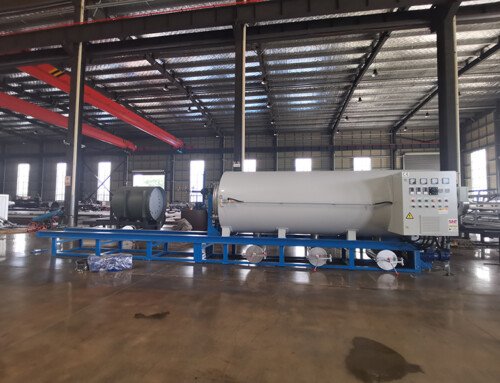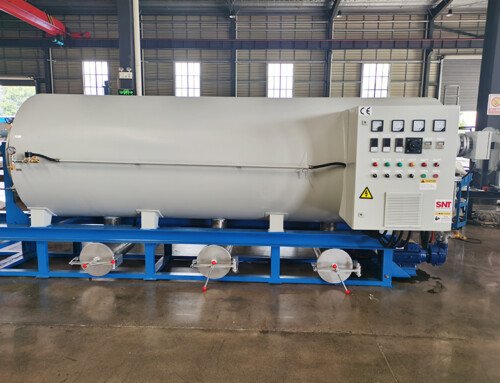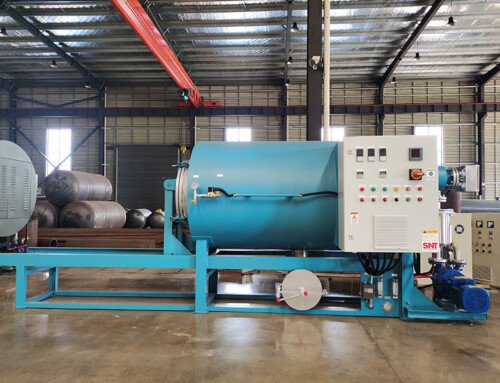
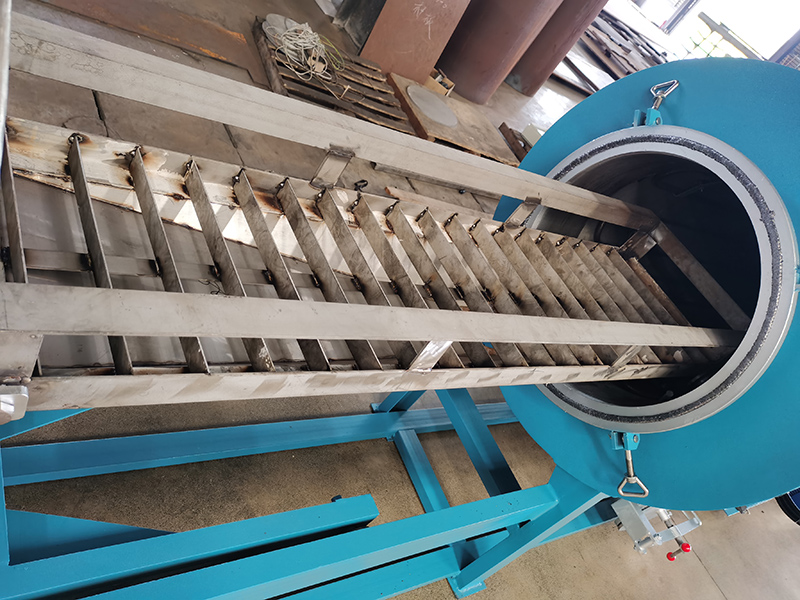
Placing a screw cleaning furnace in a high-temperature industrial workshop requires careful planning to avoid unnecessary heat buildup, physical hazard risks, and unexpected performance drops that come from operating in an already hot environment. Many teams rush the installation process and only leave minimal clearance around the unit, not realizing that surrounding ambient heat and poor spatial arrangement will create hidden problems that show up weeks or months after the furnace goes into regular use. Proper protective layout practices keep the unit running reliably, reduce strain on its internal components, and create a far safer working space for technicians who operate and maintain it on a daily basis.
Start with thermal zoning around the furnace to isolate its high heat output from other temperature-sensitive equipment and occupied work areas. Position the unit so its main heat radiation surfaces do not face directly toward nearby control panels, plastic piping, or workstations where operators stay for extended periods. Create a clear buffer zone that stays free of other heat-generating machinery, so the area around the furnace does not trap overlapping heat output from multiple sources and push local ambient temperature far above safe operating limits. This simple spatial separation prevents the furnace from absorbing extra ambient heat from its surroundings, which would force its heating elements to work harder and shorten the overall service life of internal components.
Set up dedicated heat dissipation pathways that pull accumulated hot air away from the furnace enclosure and the immediate surrounding floor space. Avoid tucking the unit into tight, unventilated corners where natural air convection cannot carry waste heat away effectively. Align the furnace’s built-in ventilation openings to face toward existing workshop exhaust flow paths, so rising hot air from the unit can be pulled out of the workspace quickly instead of recirculating back toward the furnace body. You can add targeted local exhaust hoods above the furnace’s main heat release points to capture stray hot air and any faint residual fumes from the cleaning process before they spread out into the rest of the workshop.
Install physical barrier protection to prevent accidental contact with hot surfaces and separate the furnace’s high-temperature operating zone from regular foot traffic paths. The outer shell, furnace door, and exhaust pipe of the unit will stay at elevated temperatures long after a cleaning cycle finishes, so clearly mark the surrounding perimeter to keep casual passersby from straying too close during operation. Position the furnace control panel on the side facing away from the hottest radiation surfaces, so operators can adjust settings, run cycle checks, and access diagnostic screens without needing to stand directly in the zone of intense radiated heat. This small layout choice drastically reduces the risk of accidental burns during normal daily operation.
Establish a regular routine to inspect and clear the space around the furnace of accumulated debris that can create hidden fire risks over time. Small plastic scraps, dust buildup, and leftover process residues that drift onto the furnace’s outer shell can slowly bake onto the hot surface, creating a potential ignition source if they are left unattended for multiple operating cycles. Check the surrounding buffer zone at the end of every work shift, and wipe down the furnace’s outer non-insulated surfaces to remove any light residue before it has time to build up. This quick, repeated check eliminates one of the most common hidden hazards that develop around high-temperature equipment in busy industrial workshops.
Many maintenance and installation teams that have deployed these units in heavy industrial environments have refined these practices through years of on-site experience. They know that the most effective protection does not come from adding complex extra layers of insulation or heavy custom shielding.