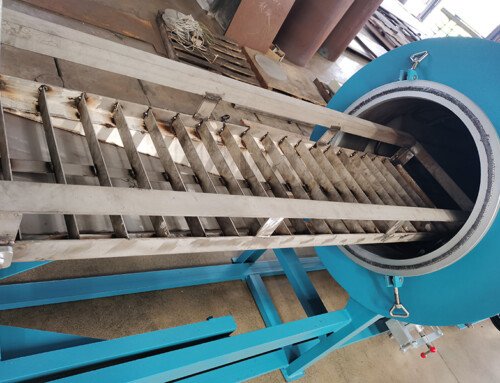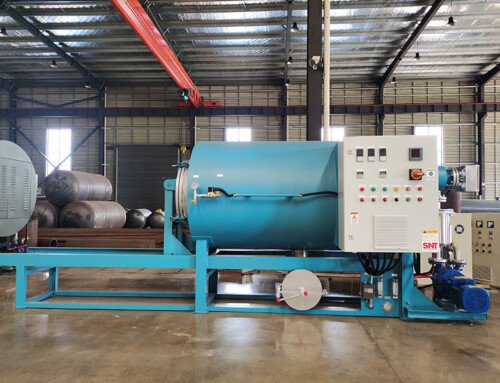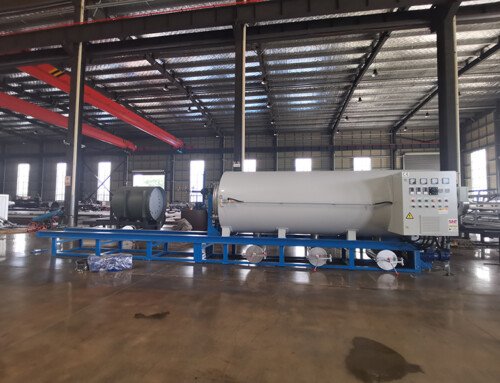
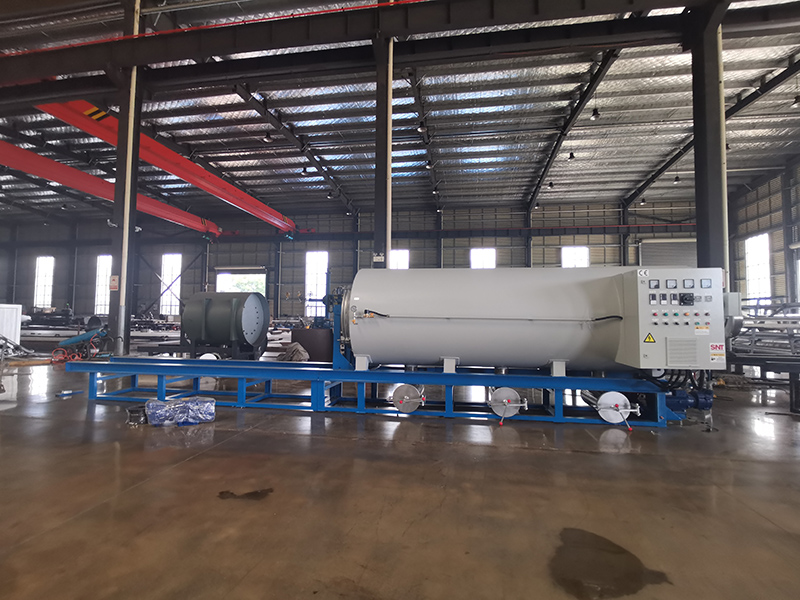
The expected service life of a screw cleaning furnace depends on a combination of operating conditions, maintenance practices, and initial installation quality, rather than a single universal number that applies to every working environment. Many operators underestimate how small daily operational choices can accumulate over months and years, leading to premature component wear that shortens the unit’s usable life far below realistic potential. This reference guidance draws on long-term field observation of units running across different industrial production scenarios, outlining practical factors that define normal service life and what operators can reasonably expect under typical working conditions.
Baseline service life under standard continuous operation
Under well-managed, consistent operating conditions with no major unplanned incidents, a properly installed and correctly operated screw cleaning furnace can deliver many years of stable performance. This baseline reference assumes the unit runs within its designed temperature range, follows standard startup and shutdown procedures, and processes materials that match the original equipment specifications.
For facilities that run the unit on a regular daily shift schedule, with consistent feed material and no frequent overloading, most key structural components maintain reliable performance for an extended period. The main heated chamber, support frame, and core heating elements all experience predictable, gradual wear that can be managed through routine scheduled checks.
For operations that run near-continuous 24-hour cycles across multiple shifts, the overall service timeline will naturally shift to reflect higher total operating hours. Even with this heavy use, units that receive consistent scheduled attention can still deliver long working lifespans, as long as operators avoid pushing the system far beyond its original design limits for extended periods.
Key wear factors that shorten real-world service life
Several common operational habits and site conditions can accelerate component wear significantly, bringing down the actual usable life far below the baseline reference. Many of these factors develop slowly over time, and operators often do not notice their cumulative effect until a major unexpected failure occurs.
Frequent overheating beyond the unit’s maximum rated temperature puts extra thermal stress on the internal chamber walls, heating elements, and sealing components. Repeated thermal cycling far outside the designed operating range causes material fatigue, leading to warping, surface cracking, and gradual loss of structural integrity that cannot be reversed with simple minor repairs.
Regular processing of materials that leave highly corrosive or abrasive residues inside the chamber will gradually erode internal surfaces over time. These aggressive residues build up in hard-to-reach corners, attacking protective surface layers and creating weak points that degrade much faster than the rest of the structure. Without thorough, regular cleaning after each production cycle, this effect steadily accelerates overall equipment aging.
Poor ventilation layout around the unit’s installation location traps excess heat and airborne particulate matter in the immediate operating area. This raises ambient operating temperature for all external electrical and control components, causing them to age faster than they would in a properly ventilated, clean environment.
Maintenance practices that extend usable operating life
Consistent, structured maintenance directly adds years of reliable performance to a screw cleaning furnace, closing the gap between baseline expected life and the actual service you get out of the unit. These practices do not require complex specialized work, just regular attention and adherence to a simple, repeatable schedule.
Perform a full internal residue inspection and thorough cleaning after every predefined number of operating cycles. Removing all accumulated material buildup before it hardens and carbonizes completely prevents it from bonding to internal chamber surfaces, eliminating the abrasive and corrosive wear that would otherwise slowly eat away at the metal over time.
Check all heating element connections, door seals, and temperature sensor calibrations at regular monthly intervals. Loose connections create uneven heat distribution that causes localized overheating, while worn door seals let hot air escape and force the system to work harder to maintain target temperature. Catching these small issues early prevents them from growing into larger problems that cause major, irreversible component damage.
Follow a strict, documented startup and shutdown procedure every single time the unit runs. Slow, controlled temperature ramps instead of sudden full-power heatup and rapid cool down reduce thermal shock across all metal components, drastically cutting down the material fatigue that builds up over thousands of operating cycles.
Site-specific adjustments for extreme operating conditions
Facilities that operate in unusually harsh environments need to adjust their service life expectations and maintenance schedules accordingly, to match the extra stress placed on the equipment.
For facilities located in high-humidity or chemically aggressive ambient environments, add extra protective inspection steps to check for early signs of external corrosion on the unit’s frame and external piping. Catching surface rust or corrosion at a very early stage prevents it from spreading into structural components that would otherwise remain intact for many more years.
For operations that frequently process heavily contaminated feed materials with high levels of residual plastic or rubber additives, shorten the interval between full deep cleaning cycles. This prevents particularly stubborn residues from building up and creating hot spots inside the chamber that cause uneven wear and premature failure of internal surfaces.
For units installed in locations with unstable power supply, add a properly configured voltage stabilization system to the electrical supply line. Sudden power surges and unexpected hard shutdowns place extra stress on heating elements and control system components, and stabilizing the power input eliminates a major avoidable source of unexpected premature failure.