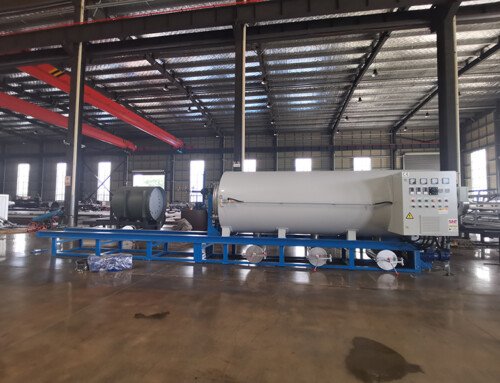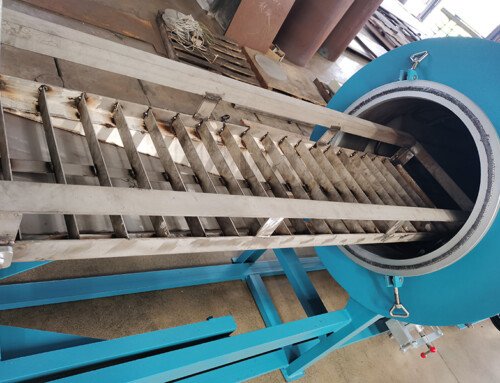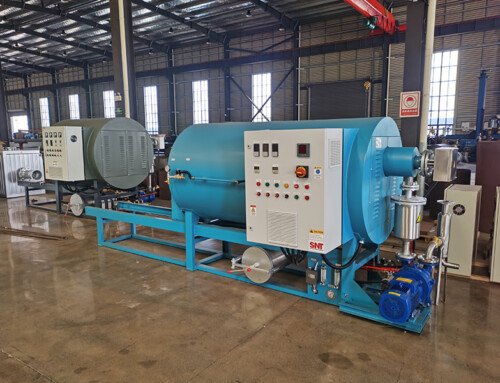
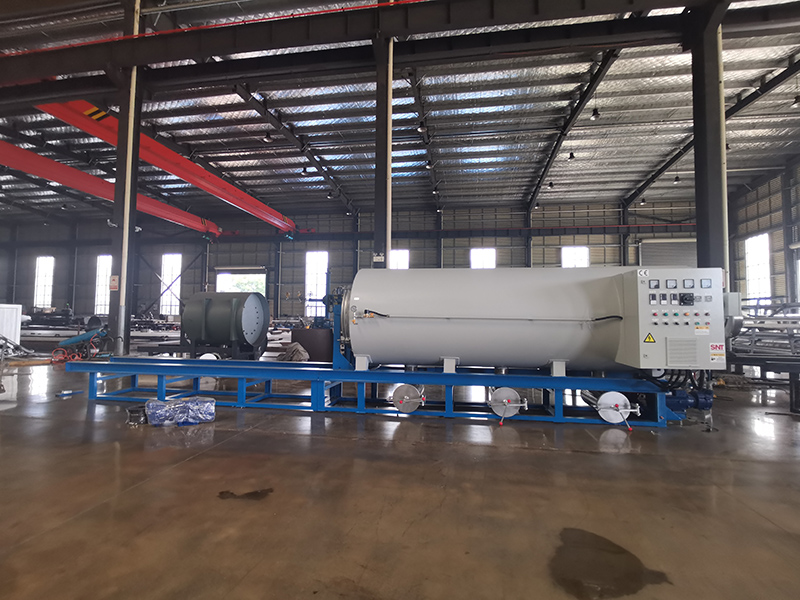
Common Causes for a Screw Cleaning Furnace Failing to Start
A screw cleaning furnace that does not initiate its startup sequence presents a critical downtime event. This failure to start can stem from issues across several systems: electrical supply, safety interlocks, mechanical components, or the control logic itself. A structured, step-by-step diagnostic approach is essential to efficiently isolate the root cause and restore operation.
Verifying Primary Power and Electrical Safety Circuits
The first area to investigate is the incoming electrical power. Check the main circuit breaker or disconnect switch serving the furnace to ensure it is in the ON position and has not tripped. Use a multimeter to confirm that the correct voltage is present at the furnace’s main terminal block. If power is present, the issue may lie within the furnace’s internal safety circuits. Most modern furnaces incorporate door safety switches, over-temperature limits, and emergency stop circuits wired in series. If any one of these switches is open or faulty, it will break the control circuit and prevent startup. Visually inspect these switches for damage and use a continuity tester to verify they close properly when the door is shut or when conditions are normal.
Inspecting Control System and User Interface
The furnace’s programmable logic controller (PLC) or temperature controller is the brain of the operation. A failure here can halt the startup process. Observe the controller’s display for any error codes, fault messages, or unlit indicators. A blank screen may indicate a loss of control power, often due to a blown fuse on the control transformer or a faulty low-voltage power supply. If the display is active but shows a fault, consult the equipment manual to decode the specific alarm. Also, verify that the correct program or recipe is selected and that all required start parameters (like setpoint temperature) are entered correctly. A simple but common oversight is the unit being left in a “Hold,” “Standby,” or “Manual” mode.
Checking Mechanical Components and Motor Starters
Mechanical obstructions or failed drive components can prevent startup. For furnaces with a rotating drum or conveyor, a seized bearing or a jam caused by foreign material can overload the drive motor. Listen for any unusual humming from motors when attempting to start, which may indicate a locked rotor. Check the thermal overload relays on motor starters; they may have tripped due to a previous overload and require a manual reset. Ensure that all guards and covers are properly installed, as many machines have interlock switches on these panels. Additionally, verify that any required utilities, such as compressed air for pneumatic controls or cooling water for heat exchangers, are available and at the correct pressure, as their absence can inhibit the startup sequence.
Reviewing Heating System and Thermal Safeties
The heating system itself has built-in safeties that can inhibit startup. If the furnace has not cooled down from a previous cycle and a high-temperature limit switch is still open, it will not allow a new cycle to begin. Check the status of high-limit thermostats or thermal fuses. For resistance heating systems, a catastrophic failure like a grounded heating element can cause a main contactor to refuse to close. Some controllers perform a pre-start check of heating element resistance; a reading outside the expected range will generate a fault. Inspect the elements and their insulation for visible signs of damage or shorting to the furnace casing.