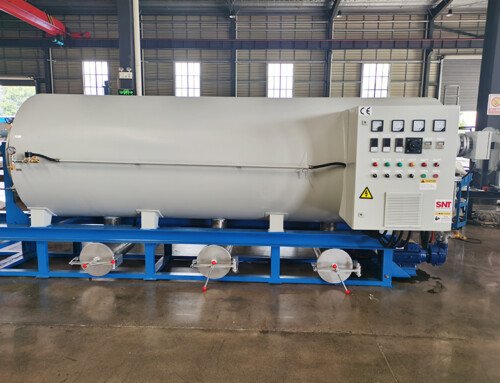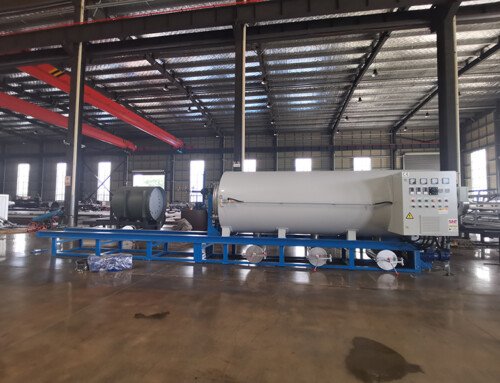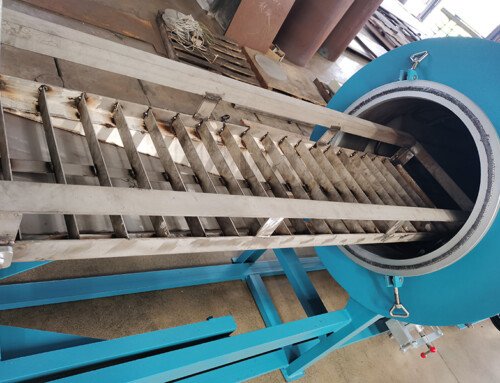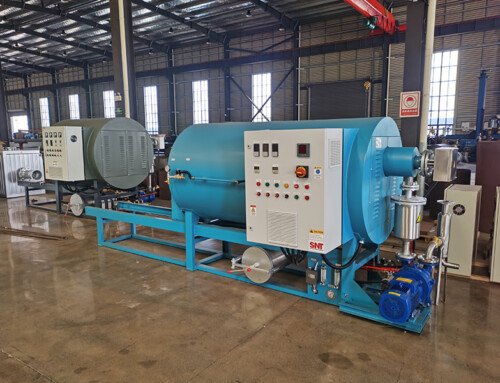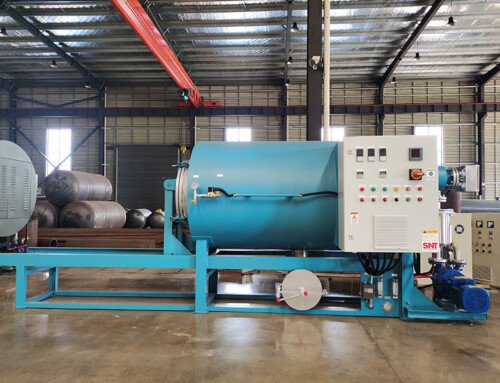
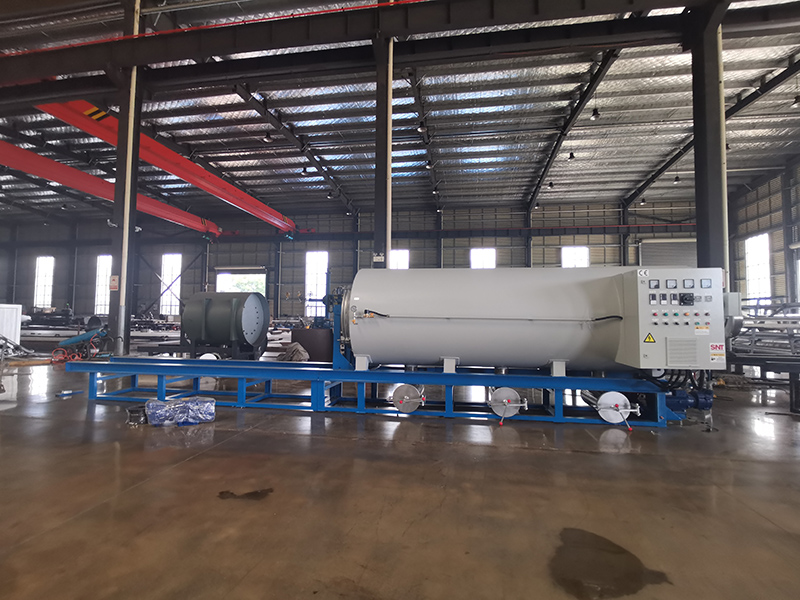
Before any re-commissioning action starts, the entire relocated system must go through a full post-move condition assessment that accounts for every possible shift, vibration or impact that occurred during transit. This step is far more thorough than a routine pre-operation check, because moving can introduce hidden misalignments that do not show up on basic sensor readings.
Post-relocation full system disconnection and reconnection audit
Start by tracing every single line, cable and connection point that was detached for the move, and cross-verify it against the pre-disconnection reference records. Confirm no two terminals were swapped, no seal was reused without inspection, and no wiring route was rerouted in a way that creates unnecessary strain or interference. Check every flange, joint and mounting bracket that was loosened or removed during disassembly, and retighten each one following the correct torque sequence rather than applying random force. After all connections are secured, perform a full continuity test across all control loops and safety circuits to rule out any hidden wire break or loose contact caused by transit vibration.
Mechanical alignment and structural position recalibration
Moving the equipment almost always causes small shifts in structural alignment that can throw off internal balance and operational stability. Use precision measurement tools to check the level of the main body across multiple reference points, and adjust the supporting feet until the horizontal deviation stays within the allowed narrow range. Inspect all internal moving parts, guide rails and flow path components to confirm no part shifted out of its original position, no fastener came loose, and no surface suffered unexpected impact damage during transport. Manually rotate every accessible moving section by hand to feel for binding, unexpected resistance or abnormal friction that was not present before the relocation.
Low-power pre-heating and system characteristic re-stabilization
Do not jump directly to full operating temperature after power is restored. First, energize the control system alone for two full hours, and let all electronic components settle into their new operating environment while you monitor for drifting baseline readings. Activate the auxiliary ventilation and circulation systems first, and run them continuously for at least 90 minutes to clear out any dust, debris or residual foreign matter that entered the system during disassembly, transport and reinstallation. Then start the heating sequence with a very low initial temperature setpoint, hold that value for three full hours, and allow the entire metal structure to warm up slowly and release any internal stress introduced during the move.
Stepwise parameter re-matching and load performance validation
Once the low-temperature stabilization phase finishes, raise the temperature setpoint in small, deliberate increments, pausing at each level long enough for all zone readings to sync up and stay consistent. Compare the real-time heat distribution data against the original pre-relocation performance logs, and make minor targeted adjustments to compensate for any small changes in system behavior caused by the move. Start the first post-relocation material test with a partial load, and run through multiple full cycles while tracking every performance metric closely. Gradually increase the load back to full working capacity, and keep refining the process settings until the system delivers the exact same uniform, stable output it achieved before the relocation.
Post-commissioning drift monitoring and long-term baseline update
After the system runs three consecutive full-load cycles without any abnormal readings, launch an extended 12-hour continuous observation phase. Assign on-site staff to log all key data points at 30-minute intervals, watching for any slow performance drift that might indicate a hidden alignment issue or loose connection that did not appear in shorter tests. When the extended monitoring confirms fully stable operation, update the site’s official system performance baseline with the new post-relocation reference values, so all future routine operations and maintenance checks can use the most accurate, up-to-date data as their standard.