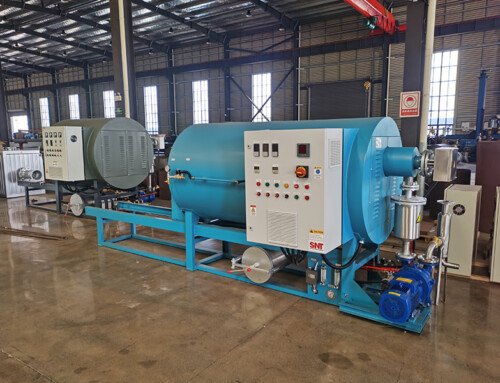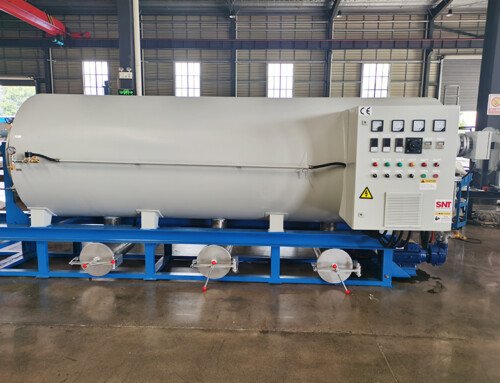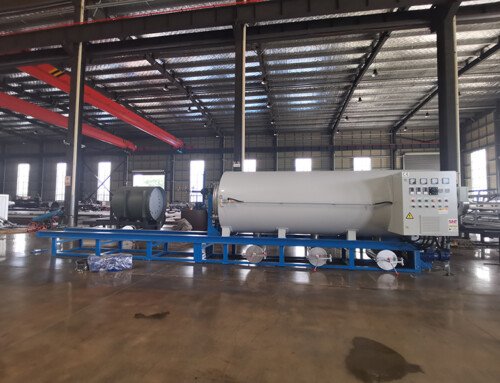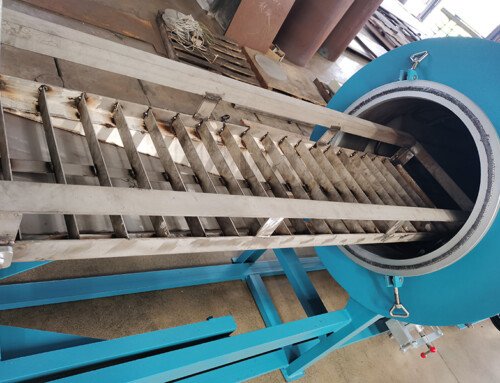
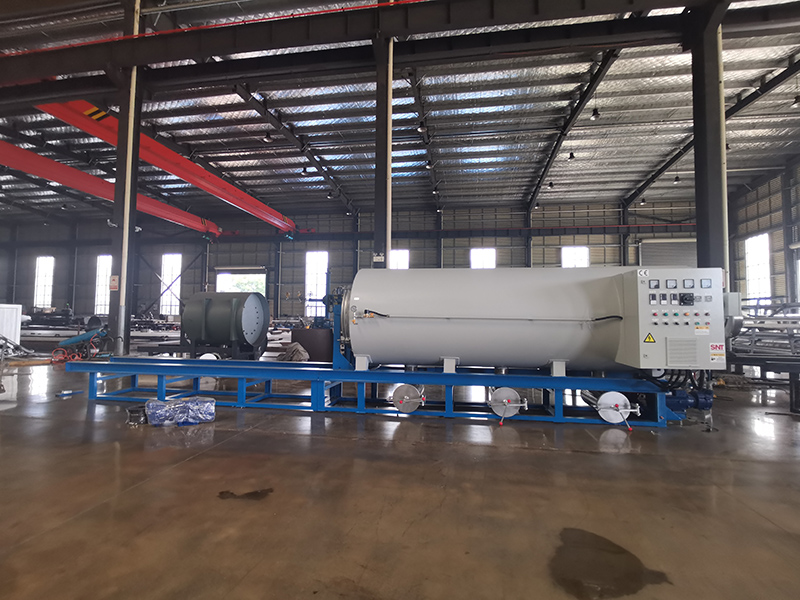
If you run a plastic extrusion or injection molding operation, you know how stubborn built-up residue and scale on screw cleaning furnace parts can get over months of continuous use. Even with regular daily flushing, thin layers of degraded polymer, carbonized deposits and mineral scale will slowly accumulate on internal walls, heating elements and screw surfaces, quietly dragging down heating efficiency and leaving tiny dark specks in your final products.
Start with a low-temperature pre-soak cycle before deep cleaning
Run the furnace at a steady 120°C for 90 minutes with the access door slightly cracked to let small amounts of moist air circulate inside. This gentle heating softens the outer layer of old, brittle scale without baking it harder onto the metal surface. Once the cycle finishes, wipe all accessible loose residue off with a soft brass brush, never use steel tools that can scratch the precision polished metal finish. This step removes 30 to 40 percent of surface scale before you move on to more intensive treatment, so you avoid pushing hard debris deeper into narrow gaps later.
Use controlled low-oxygen thermal decomposition for thick carbon deposits
Seal the furnace chamber completely and pull a mild vacuum to drop internal oxygen levels below 3 percent. Raise the internal temperature slowly in 25°C increments until you reach 420°C, and hold this stable temperature for 2 to 3 hours. Under this low-oxygen environment, thick carbonized scale breaks down into fine, powdery ash instead of burning into hard, fused clumps that stick to metal. You do not need open flames or harsh chemical solvents here, and the process will not warp the furnace’s internal metal structure even on complex, precision machined screw components.
Target hidden gaps with mild mechanical agitation after cooling
Once the furnace cools completely down to room temperature, use soft non-abrasive fiber pads and low-pressure compressed air to blow out all fine ash from thread grooves, heating element slots and narrow flow channels. For tiny, hard-to-reach spots you cannot reach with a brush, use a flexible nylon pick to gently dislodge any remaining fine particles. Wipe every internal surface with a clean, lint-free cloth lightly dampened with food-grade cleaning solution, then run an empty 150°C drying cycle for 1 hour to remove all residual moisture before you put the furnace back into regular operation.
Stick to this routine every 3 to 4 months based on your production runtime, and you will never let heavy, caked-on scale build up to the point it forces unplanned long downtime. Even for furnaces that have not had a full deep clean for over a year, these steps will strip away years of hidden residue without causing permanent damage to your equipment.