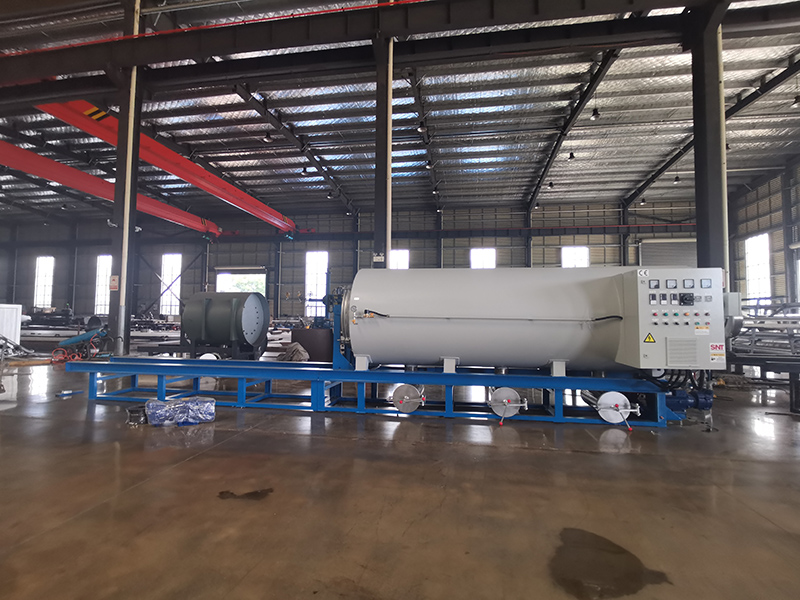
What Not to Do When Cleaning Screw Cleaning Furnace Electrical Enclosures
Prohibited Cleaning Agents and Liquids
Never use water or water-based cleaners in a stream, spray, or as a soaking method. Water can seep through microscopic gaps in conduit entries, cable glands, or ventilation louvers. Once inside, it causes short circuits, corrodes copper traces on circuit boards, and promotes mold growth on insulation. Even a damp cloth can wick moisture into sealed connectors if it is too wet. The risk is not just immediate failure; latent corrosion can cause intermittent faults weeks or months later, making diagnosis extremely difficult.
Avoid all generic household or industrial cleaning chemicals. Products like all-purpose cleaners, glass cleaners, degreasers containing strong solvents, and anything with ammonia or bleach can have catastrophic effects. Their chemical formulations can aggressively attack the plastics used in wire insulation, connector housings, and component labels, causing them to become brittle and crack. They can also leave behind conductive residues that create phantom electrical paths, or corrosive residues that slowly eat away at solder joints and terminal blocks. The safe zone is extremely narrow: typically, only isopropyl alcohol (above 90% concentration) or dedicated electronic contact cleaners are acceptable, and even these must be used sparingly.
Steam cleaners and high-pressure washers are absolutely forbidden. The combination of high-pressure water and heat will force moisture and contaminants deep into every opening, guaranteed to destroy the electronics. The pressure can also physically damage cooling fans, bend delicate heat sinks, and crack ceramic components. The intense heat from steam can melt wire insulation and warp plastic parts. These tools have no place near electrical enclosures of any kind, regardless of their advertised “sealed” ratings.
Dangerous Physical Cleaning Methods
Do not use abrasive tools or materials. Steel wool, scouring pads, wire brushes, and even some stiff-bristled brushes can scratch and gouge the painted or powder-coated surface of an enclosure. These scratches break the protective barrier, allowing moisture and corrosive agents direct access to the underlying metal, leading to rust. Scratches on viewing windows or display covers create glare and reduce visibility. On labels and warning decals, abrasives will quickly render critical safety information unreadable.
Compressed air from an industrial air line is a common but hazardous mistake. While canned air designed for electronics is safe, the air from a workshop compressor is not. It contains oil aerosols, water vapor, and particulate matter from the compressor tank. Blowing this contaminated air into an enclosure coats the internal components with a fine film of oil and water, which attracts dust and creates a conductive sludge over time. Furthermore, the high pressure can dislodge wire connections, damage fragile components, or spin cooling fans fast enough to damage their bearings.
Opening sealed compartments without proper authorization and procedure is a major violation. Many electrical enclosures have sections that are sealed by the manufacturer with tamper-evident labels or special fasteners. Breaking these seals immediately voids the equipment warranty and may violate safety certifications. Unless you are a qualified technician following a specific troubleshooting guide, the interior of power supplies, motor drives, and logic controllers should be considered off-limits for cleaning. Dust on the outside is a cosmetic issue; introducing contaminants to the inside is a reliability and safety hazard.
Common Procedural Mistakes to Avoid
Cleaning while the system is energized or only in standby mode is an extreme safety risk. Always follow a full lock-out/tag-out procedure, physically disconnecting the main power source. Simply turning the key to “off” or pressing the stop button is insufficient, as control circuits may still be live. Verify the absence of voltage with a properly functioning multimeter at the main terminals before any cleaning activity begins. Assume every wire is live until proven otherwise.
Failing to allow proper cooling time before cleaning is another frequent error. Electrical components, especially transformers, resistors, and heat sinks, can retain significant heat long after the furnace cycle ends. Spraying a cold cleaner onto a hot component causes thermal shock, which can crack circuit boards and ceramic substrates. Placing a damp cloth on a warm surface drives moisture into the component through capillary action as it cools. Always let the enclosure cool to ambient temperature, which may take several hours after a long run.
Using the same cloth or brush to clean multiple areas without rinsing is a cross-contamination hazard. A cloth used to wipe down a greasy mechanical part and then used on the electrical panel will transfer oils and metal particles onto the sensitive surfaces. Always use fresh, clean materials for the electrical enclosure. Designate specific, color-coded cloths and tools that are used only for electrical cleaning and stored separately from general workshop supplies. This simple discipline prevents the most common cause of post-cleaning electrical issues.