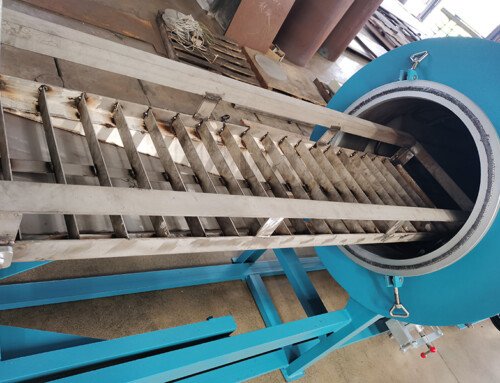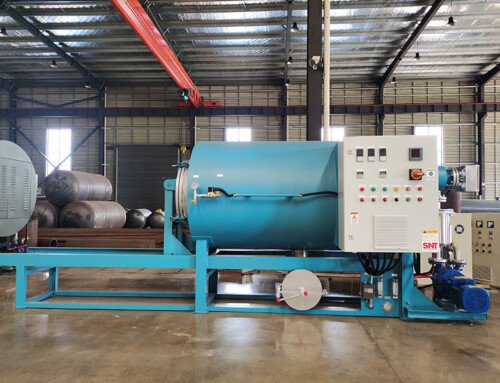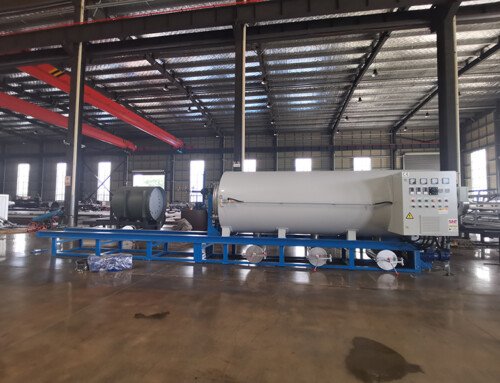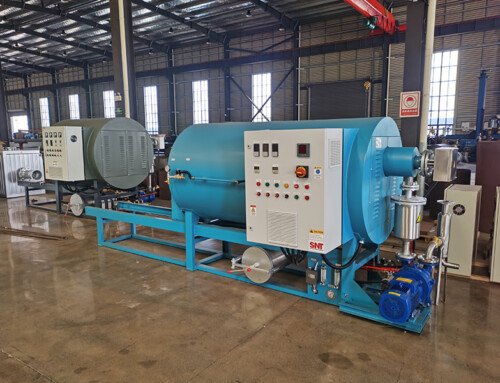
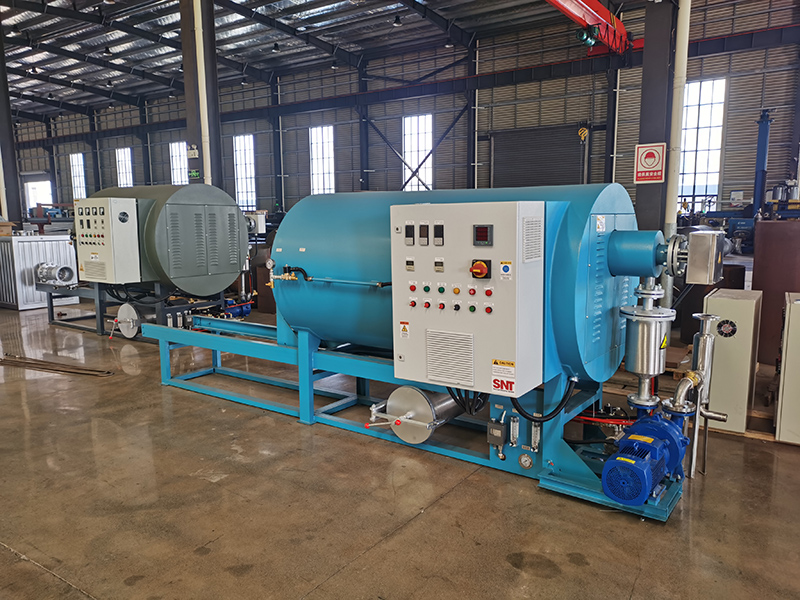
Careful layout planning for the infeed and outfeed positions of a screw cleaning furnace eliminates workflow bottlenecks, reduces unnecessary manual handling, and creates a far more consistent, safe operating rhythm for the entire processing line. Poorly positioned feed and discharge points create hidden inefficiencies that add extra minutes to every single cycle, and over months of continuous operation, that wasted time adds up to a massive loss in total available throughput. A well thought-out position layout aligns with the natural flow of materials, the movement of operators, and the spatial constraints of the workshop to keep every stage of the process running smoothly.
Pre-planning workflow and access baseline mapping
Before marking any final positions on the workshop floor, teams map out the full end-to-end material flow to identify the most logical placement points that fit existing operational patterns.
Raw material staging zone alignment
The infeed position is placed in direct, unobstructed line with the raw material staging area, so operators can move unprocessed workpieces from storage directly to the feed point with zero unnecessary turns, narrow corridor navigation, or repeated lifting over long distances. This eliminates the risk of accidental workpiece damage during transit, and cuts down the physical effort required to load every new batch. No other unrelated equipment, storage racks, or temporary workstations are allowed to block this straight access path, so the loading process never gets interrupted by unrelated activity.
Post-processing output path clearance
The outfeed position is oriented to face a dedicated clear path that leads directly to the next processing stage or finished goods inspection area. This ensures freshly discharged workpieces can be moved away from the unit quickly, without being forced to cross the same access path used for incoming raw materials. Separating these two movement directions completely prevents cross-traffic jams, and removes the risk of a hot discharged workpiece accidentally coming into contact with unprocessed stock waiting to be loaded.
Infeed position ergonomic and operational detail design
The exact placement and structure of the infeed station is fine-tuned to reduce operator strain and create consistent, reliable loading conditions for every processing cycle.
Operator standing posture and load height optimization
The loading platform at the infeed position is set to a height that matches the natural standing working posture of the operators who regularly run the station. This means no one is forced to bend down, overreach, or lift heavy loads above shoulder height to position workpieces correctly before they enter the furnace. Small, subtle adjustments to this height can drastically reduce repetitive motion fatigue, making it far easier for teams to maintain consistent loading speed and alignment even through long, multi-hour production shifts.
Pre-entry inspection buffer space
A small, dedicated buffer zone is reserved immediately before the infeed opening, giving operators enough room to do a quick visual check of every workpiece before it enters the furnace. This space lets them spot leftover debris, misaligned components, or other small issues that could cause a blockage or incomplete cleaning cycle, without having to rush the check and risk letting a problematic workpiece slip through into the unit. This small buffer eliminates a huge share of preventable operational faults that would otherwise require stopping the line for troubleshooting mid-cycle.
Outfeed position safety and post-process handling layout
The discharge position is engineered to prioritize operator safety, smooth post-processing cooling, and seamless handoff to the next stage of the workflow.
Hot component clearance and cooling space
A wide, unobstructed open area is reserved directly in front of the outfeed opening, giving discharged workpieces enough room to cool down safely without being crowded by other materials, tools, or passing foot traffic. This prevents accidental contact with high-temperature surfaces that could cause operator injury, and creates a stable space where workpieces can cool gradually without being moved or disturbed immediately after exiting the cleaning cycle.
Post-discharge inspection and sorting station integration
A compact, dedicated inspection station is placed within easy arm’s reach of the outfeed point, so operators can check the surface quality and cleaning result of every workpiece the moment it cools to a safe handling temperature. This immediate feedback loop lets operators catch inconsistent cleaning results right away, and make tiny, quick adjustments to the furnace cycle parameters before a large batch of workpieces gets processed incorrectly. No extra walking or transporting of parts is required to complete this check, which keeps the entire quality control step fast and tightly integrated into the natural flow of the line.
When all these position planning details are aligned correctly, the entire screw cleaning furnace operation feels almost effortless for the teams running it. There are no unnecessary steps, no awkward movement paths, and no hidden bottlenecks to slow down the workflow, which creates a far more consistent, safe, and productive operating environment for everyone on the workshop floor.