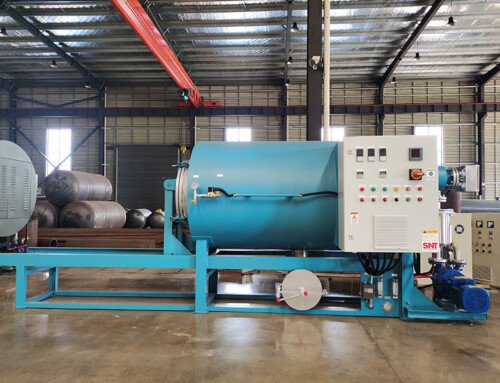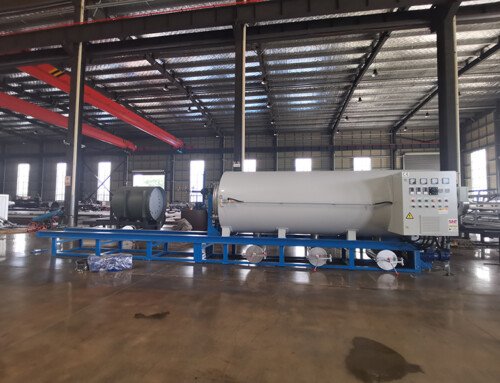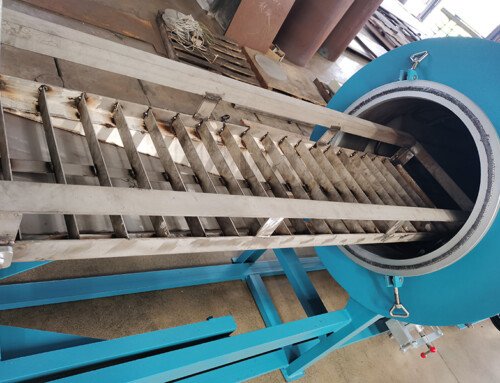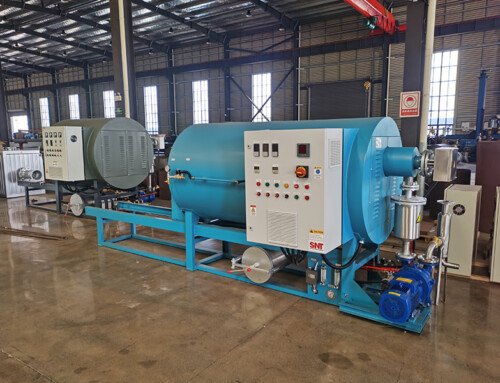
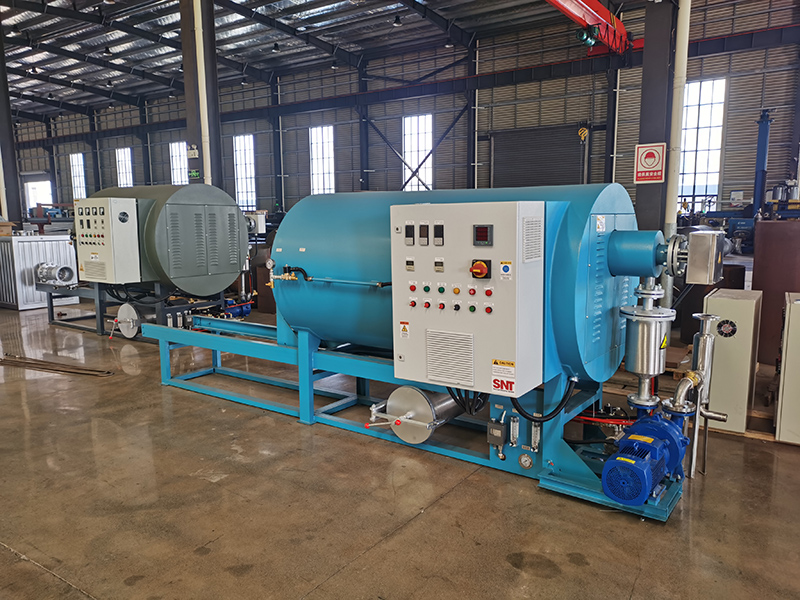
Optimizing the process parameters for a screw cleaning furnace is not about chasing a single perfect number, but about finding the precise balance between temperature, time, and mechanical action that efficiently removes contaminants without damaging the base metal or wasting energy. The correct settings vary based on the type of resin being cleaned, the level of carbonization, and the specific furnace design, but a systematic approach can help you establish a reliable baseline and fine-tune from there.
Establishing a baseline through material and contamination analysis
Before adjusting any settings, clearly identify the type of polymer residue on the screw. Cross-linked materials like PVC or cured thermosets require a different thermal approach than standard polyolefins like PP or PE. For heavily carbonized layers from high-temperature degradation, the strategy shifts from simple melting to controlled pyrolysis and oxidation. Start by running a small test batch with the furnace’s default or previous settings. Carefully document the initial state—note the color, texture, and adhesion of the residue before cleaning. After the cycle, inspect the screw. If residue remains, is it flaky and loose or still fused to the metal? This tells you if you need more thermal energy or more mechanical action. The goal of this baseline run is to gather data, not achieve perfection.
Fine-tuning the thermal profile for targeted degradation
The temperature setting is the most critical lever. Instead of applying one uniform high temperature, develop a staged thermal profile. Begin with a lower temperature soak phase, holding the screw at a temperature just above the melting point of the base polymer. This allows the bulk of the uncontaminated plastic to melt and flow out. Then, incrementally increase the temperature in steps of 15-20 degrees Celsius. This gradual ramp helps to thermally degrade the carbonized layers without causing rapid, violent off-gassing that can leave porous, brittle carbon behind. Pay close attention to the exhaust; a shift from white vapors (volatilizing plastic) to a thinner, bluish smoke can indicate you are entering the carbon oxidation phase. The optimal peak temperature is the lowest one that reliably turns the toughest carbon into a dry, ashy powder that brushes off easily.
Balancing mechanical action with thermal input
While heat softens and degrades residue, mechanical action from the screw rotation provides the necessary shear to scrub it free. However, more rotation speed is not always better. Too high a speed can generate excessive frictional heat, creating new degraded material and putting stress on the drive system. Start with a low rotation speed during the initial melt-out phase to gently convey material. As the temperature increases into the cleaning phase, a moderate increase in screw RPM can improve the scrubbing action. The key is to observe the torque or amperage draw on the drive motor. A steady, moderate increase followed by a plateau often indicates effective cleaning. A sharp, sustained spike in power draw may signal that the screw is fighting against a solid mass of carbon, suggesting the need for a longer thermal soak before increasing mechanical action.
Optimizing cycle time and atmospheric conditions
The cleaning cycle duration must be long enough to complete the chemical and physical processes but not so long that it wastes energy or risks overheating the screw. After establishing your temperature and rotation parameters, run a timed test. Weigh the screw before and after cleaning to measure residue removal efficiency. Plot a curve of weight loss versus time; you will likely find a point of diminishing returns where extending the cycle yields minimal additional cleaning. This is your optimal cycle endpoint. For furnaces with atmosphere control, introducing a small, controlled flow of oxygen during the high-temperature phase can catalyze the oxidation of carbon, significantly reducing the required peak temperature or dwell time. Conversely, for sensitive alloys, using a nitrogen blanket can prevent surface oxidation of the screw itself. Always adjust one variable at a time and document the result to build a reliable, repeatable optimization map for your most common cleaning jobs.