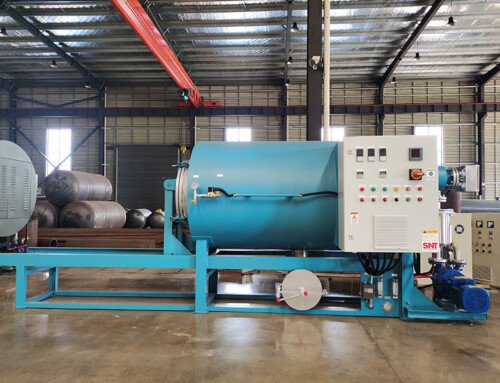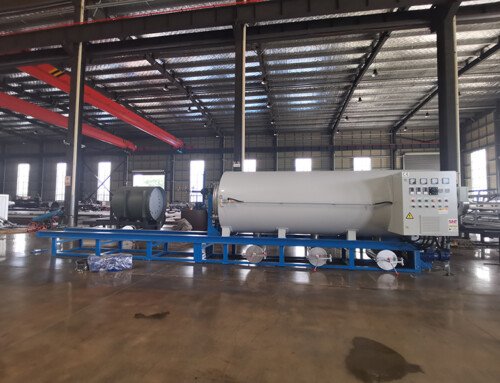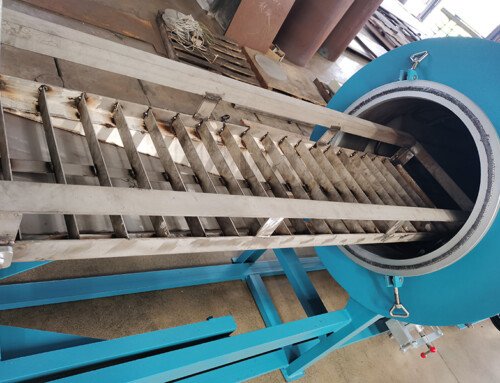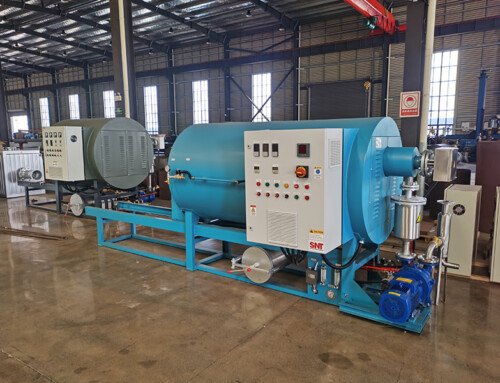
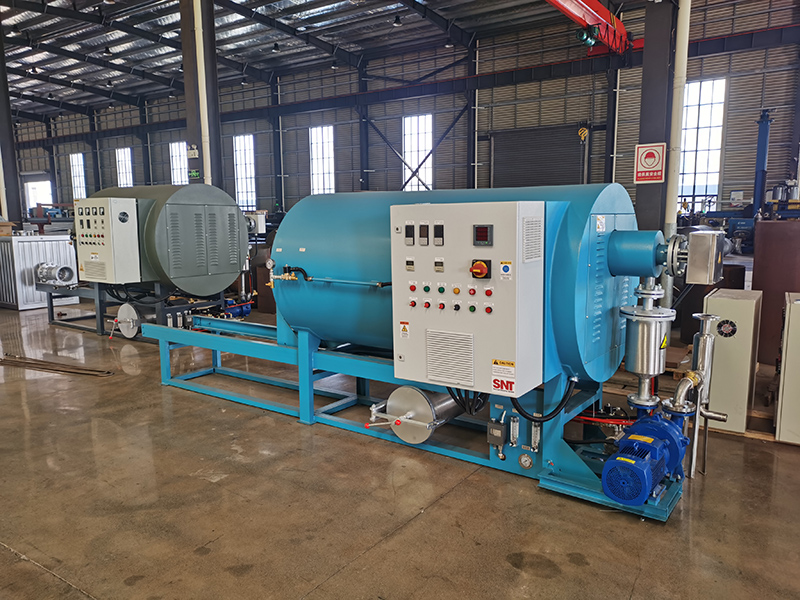
Pushing a screw cleaning furnace beyond its rated capacity might seem like a shortcut to handle more material in less time, but the hidden damage it causes to internal components, material quality and long-term equipment reliability often leads to costly unplanned downtime and premature failure. Understanding these specific risks helps operators and managers make informed decisions that protect both the equipment and the production schedule.
Direct mechanical damage to screw and barrel assembly
Running the equipment above its designed load for extended periods places excessive radial and axial force on the screw shaft. This constant overstress can cause premature wear on the screw flights, especially in the compression and metering zones where pressure is highest. The increased friction generates significantly more heat than the barrel cooling system is designed to handle, leading to localized hot spots. These hot spots can thermally degrade the base metal of the barrel, causing micro-cracks or permanent deformation known as barrel burn-out. The heightened pressure also strains the thrust bearing assembly beyond its rated capacity, accelerating wear and increasing the risk of a catastrophic bearing failure that requires a full disassembly to repair.
Accelerated carbon buildup and cleaning inefficiency
Contrary to the goal of faster cleaning, overloading the furnace often creates more severe carbon contamination. When the volume of contaminated material exceeds the optimal capacity, the screw cannot achieve proper surface contact and shear mixing. Instead of being cleaned, some material gets trapped in dead zones or passes through too quickly, leaving behind a thicker, more stubborn layer of carbonized residue. This forces operators to run longer cleaning cycles or repeat the process, negating any perceived time savings. Furthermore, the uneven heat distribution caused by overloading leads to pyrolysis—where plastic degrades into carbon due to excessive heat—actually baking impurities onto the screw surface rather than removing them.
Electrical system strain and control instability
The motor and drive system are calibrated for a specific torque and amperage range. Continuous overloading forces the motor to draw higher current to maintain screw rotation against the increased resistance. This sustained electrical overload overheats motor windings, degrades insulation, and drastically shortens the motor’s operational life. Variable frequency drives (VFDs) and control boards also operate outside their optimal range, leading to erratic speed control, fault alarms, and potential damage to sensitive electronic components. The constant power draw fluctuations can even affect the stability of the broader workshop electrical supply, posing a risk to other connected machinery.
Safety hazards and operational risks
Overloading introduces significant safety hazards. The increased internal pressure raises the risk of blow-back or the forceful ejection of hot, partially cleaned material from the discharge port or feed opening, posing severe burn risks to personnel. Overheated components, especially electrical connections and heating bands, become fire hazards. Safety systems like pressure relief valves and thermal cut-offs may not function as intended if they are consistently bypassed or if faults develop due to chronic over-stress. The physical vibration and noise levels of an overloaded machine also increase, creating a more hazardous and fatiguing work environment while potentially loosening mechanical fasteners and mounts.