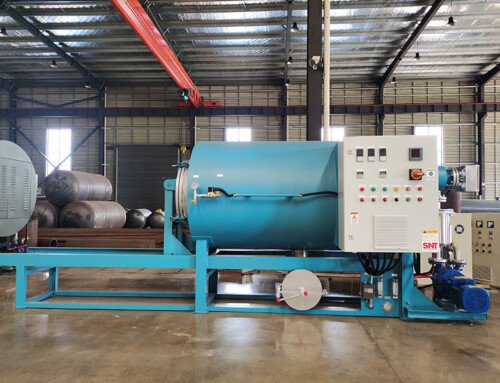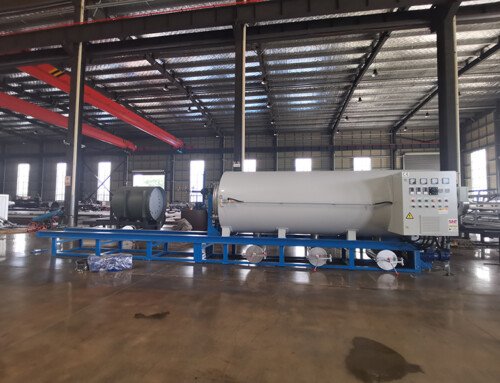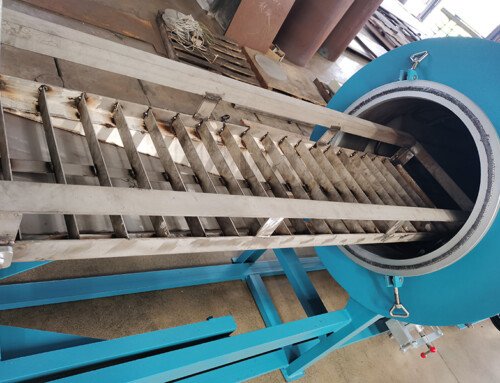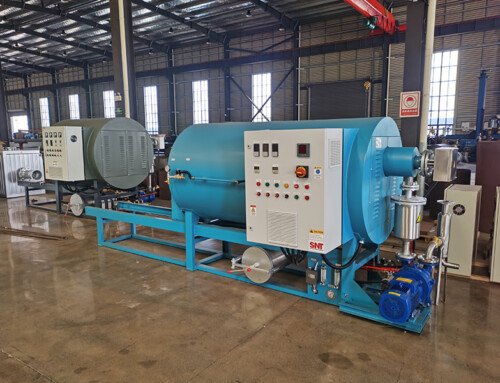
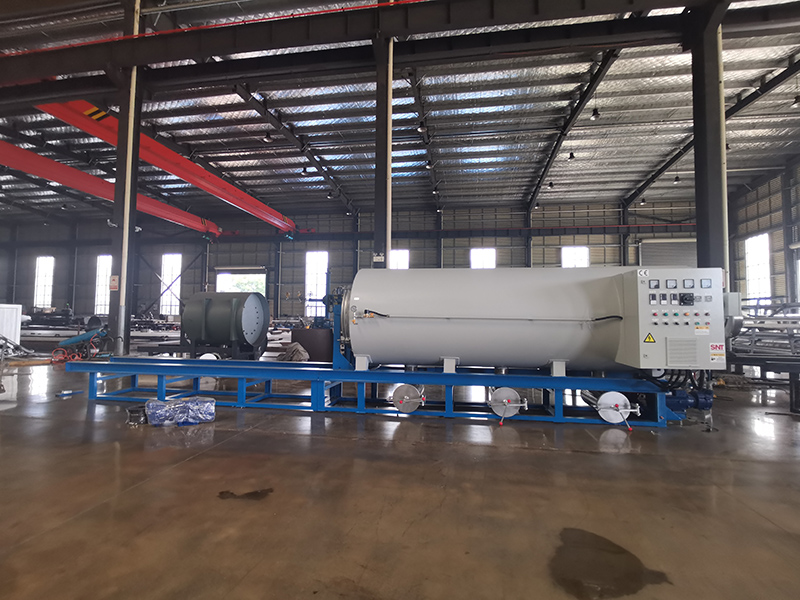
Daily maintenance of the sealing components in a screw cleaning furnace is not a minor optional task but a critical routine that directly determines how long the equipment can run without unexpected leaks, contamination issues, or costly unplanned shutdowns. Neglecting these small, regular checks allows minor wear to develop into major failures, where the cost of replacement parts and lost production time far exceeds the few minutes needed for proper daily care.
Visual inspection and surface cleaning routines
At the start of every shift, before powering on the equipment, perform a thorough visual check of all accessible sealing surfaces. Look for any signs of material leakage around flange connections, the discharge port, and the shaft seal area. Even a small, dark streak of carbonized residue can indicate the beginning of a seal failure. Use a clean, dry, non-abrasive cloth to wipe the exterior surfaces of all seal housings and gasket edges. Remove any accumulated dust, loose carbon particles, or spilled cleaning agents. For the main shaft mechanical seal or gland packing area, check for abnormal moisture or oily residue that suggests lubricant leakage or coolant seepage. Keeping these areas clean allows you to spot new leaks immediately and prevents abrasive contaminants from being drawn into the sealing interface during operation.
Operational parameter monitoring during runs
While the furnace is running, pay close attention to indirect signs of seal health. Monitor the amperage draw of the main drive motor; a gradual increase over time can indicate rising friction from a drying or failing shaft seal. Listen for changes in sound from the seal area—hissing can suggest gas leakage, while a grinding noise may point to worn components. Observe the material being discharged; the appearance of small, dark, degraded particles that weren’t present in the feedstock can be a sign that air is being drawn in through a faulty seal, oxidizing the plastic. Regularly check the temperature of the seal housing with a handheld infrared thermometer. Abnormal heating often precedes a complete seal failure. Record these observations in the daily log to establish a baseline and identify trends.
Post-operation cooling and lubrication practices
A proper shutdown procedure is as important as startup for seal longevity. After the cleaning cycle is complete, reduce the screw speed to a minimum and allow the system to begin cooling while material is still flowing. This helps purge residual hot material from the seal area. Once the system temperature drops below the operational threshold, apply the manufacturer-recommended lubricant to any external grease points on seal housings or packing glands. Use only the specified lubricant type; incompatible greases can break down and damage seal materials. For mechanical seals that use a barrier or flush fluid, check the level and clarity of the fluid in the reservoir. Top it up if low, and note if the fluid appears cloudy or contaminated, which signals an internal leak. Never leave the system at full operating temperature in a static condition for extended periods, as this can bake residues onto seal faces.
Environmental control and spare part management
The environment around the screw cleaning furnace significantly impacts seal life. Minimize airborne dust and abrasive particles in the workshop, as these can infiltrate and score seal surfaces. Ensure adequate ventilation to prevent excessive ambient heat, which can degrade elastomeric seal materials like O-rings over time. Maintain a small, organized inventory of critical sealing spares—key gaskets, O-rings, and a complete mechanical seal cartridge. Store these parts in a clean, climate-controlled area away from direct sunlight and ozone sources. Familiarize yourself with the correct installation procedure for each seal type; improper installation is a leading cause of premature failure. By controlling the operating environment and having the right parts and knowledge on hand, you turn daily maintenance from a reactive chore into a proactive strategy for maximum equipment uptime.