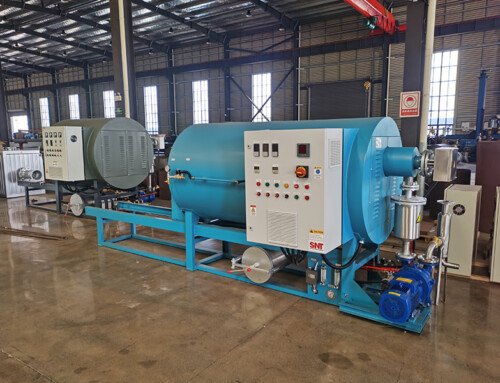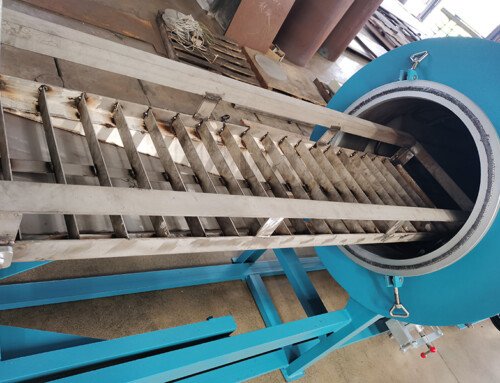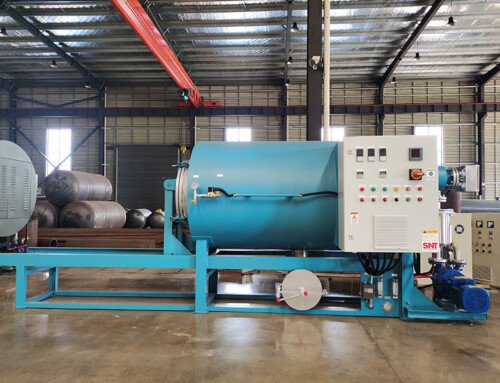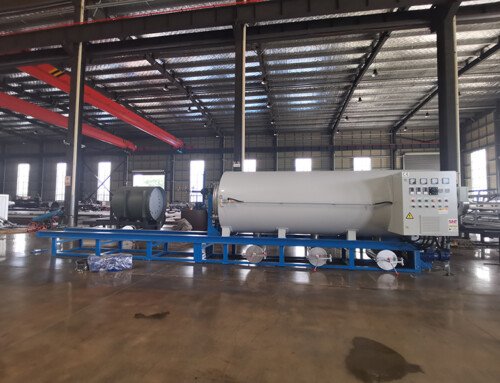
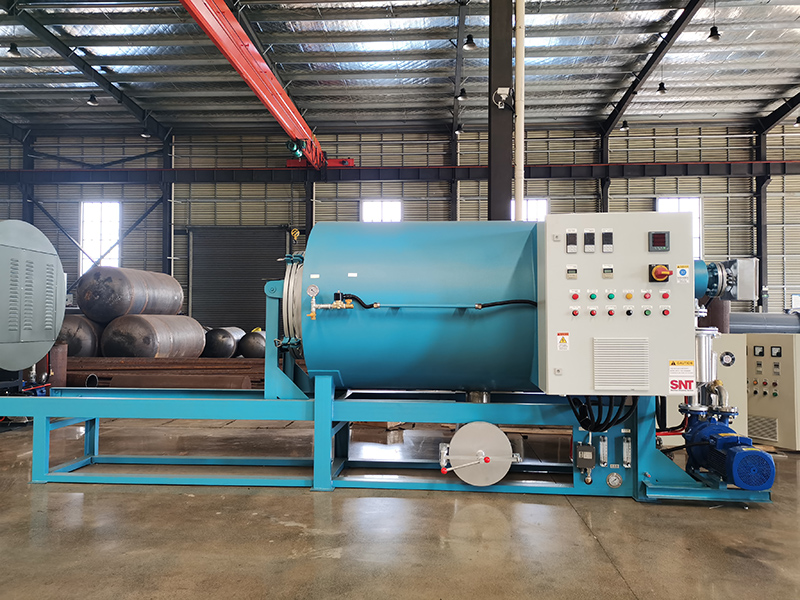
For screw cleaning furnace operations, defining clear, consistent working distance rules for on-site operators is one of the most practical, effective ways to prevent avoidable contact with high-temperature surfaces, sudden material ejection, and unexpected mechanical movement during daily production. These distance guidelines are built from real workshop operation experience, not abstract safety standards, and they balance full operator access for routine adjustments with sufficient buffer space to keep personnel safe under normal and minor fault conditions. Every team that runs this type of industrial equipment can implement these clear, actionable rules directly into their daily standard operating procedures.
Minimum safe distance during normal heating and steady operation
When the furnace is running at full stable operating temperature and performing continuous cleaning cycles, all personnel who are not performing active, immediate adjustment tasks must maintain a clear minimum distance from the outer furnace shell. This buffer space accounts for any unexpected minor surface temperature spikes, accidental small leaks of hot residual gas, or tiny splatters of softened residual material that can escape through small vent openings during normal operation. It also ensures no part of an operator’s clothing or personal tools accidentally brushes against high-temperature surfaces that can cause burns even with very brief contact.
Reserve an extra clear zone directly in front of the furnace’s main loading and unloading access door, and keep this area completely clear of all unrelated personnel during the active heating phase. This space is critical because the door is the most likely point where unexpected releases of hot air, residual melted material, or pressure buildup can escape. Keeping non-working operators well outside this zone removes almost all exposure risk during the highest-temperature segment of the cleaning cycle.
Make sure the space between the screw cleaning furnace and any adjacent industrial equipment or fixed workshop structures meets the minimum working space requirements for large industrial thermal machinery. This open perimeter ensures operators can move freely around all sides of the unit for routine inspection, temperature checks, and minor adjustments, without being forced to squeeze into narrow, cramped gaps that increase contact risk with hot surfaces or moving parts.
Controlled close-proximity operation during active loading and unloading
Only fully trained, designated operators are allowed to enter the close working zone within arm’s reach of the furnace, and only during the specific, limited time window when the unit has completed its heating cycle and cooled down to a safe handling temperature. Before any operator steps into this close zone, the full system must confirm internal pressure has normalized, no residual high-temperature material is under pressure, and all moving components are in a fully locked, stationary state. No other personnel are permitted to crowd into this small working area during loading or unloading, to avoid accidental collisions that could make someone lose balance and make unintended contact with hot surfaces.
Set a strict maximum number of operators allowed inside the immediate loading and unloading zone at the same time. Overcrowding this tight space creates tripping hazards, blocks quick escape paths, and makes it impossible for everyone on site to maintain clear awareness of their surroundings. Limiting this task to one primary operator plus one dedicated nearby monitor keeps the process orderly, and eliminates the chaos that often leads to avoidable minor safety incidents.
Keep the dedicated monitor positioned just outside the immediate close-proximity working zone, at a distance where they can clearly observe the full operation, see the operator’s hands and all access points on the furnace, and step in immediately if any unexpected unsafe situation develops. This position lets the monitor stay clear of any direct hazard, while still being close enough to provide immediate assistance or trigger an emergency stop if something goes wrong.
Extended safety buffer for maintenance and internal inspection work
When operators are performing full internal inspection, deep cleaning, or mechanical maintenance that requires opening the furnace’s inner chamber, mark out a much larger controlled safety perimeter around the entire unit. This expanded zone keeps all unrelated personnel far away from the work area, and prevents anyone from accidentally bumping the furnace, tripping over tools and hoses laid out for maintenance, or interfering with the team that is performing the internal work. This perimeter should be clearly marked, and only authorized maintenance personnel are allowed inside while work is ongoing.
Make sure there is a clear, unobstructed emergency exit path leading directly out of this maintenance zone, that stays completely unblocked at all times. The working position of the operator who is accessing the inner furnace chamber must be no more than a short, quick step away from this clear escape path, so they can pull back immediately if any unexpected release of residual heat, fumes, or loose material happens while they are working inside. There should never be any obstacles, stacked parts, or loose tools between the operator’s working spot and this emergency exit.
If maintenance work involves any activity that could potentially dislodge hardened residual material from the inner chamber walls, require all personnel who are standing nearby to stay at a safe distance far enough to avoid being hit by flying debris. Even small pieces of hardened leftover material can dislodge with surprising force, and they can cause minor injury if they strike unprotected skin or eyes. This extra distance buffer during high-risk maintenance tasks eliminates this preventable hazard completely.
Dynamic distance adjustment for special operating conditions
When the furnace is in the initial warm-up phase after a cold start, or in the controlled cooling phase right after a high-temperature cycle, adjust the standard working distance to be slightly larger than normal steady-operation rules. During these transition phases, surface temperatures can shift unexpectedly, and pressure inside the chamber can behave less predictably than during stable operation. Adding this extra temporary buffer removes all unnecessary exposure during these less predictable stages.
If the unit has a known minor fault, such as a small sticking vent valve or a slightly warped door seal that creates occasional small puffs of hot air, expand the minimum safe working distance even further until the fault can be fully repaired. Never keep the standard normal-operation distance rule in place when the equipment is not performing as designed. The extra temporary distance is a simple, low-effort control that prevents small, known issues from turning into actual safety incidents.
Make sure all operators understand that these distance rules are not rigid, fixed numbers that never change. If an operator notices any unusual condition, strange smell, unexpected noise, or visible abnormality at any point during operation, they have full authority to step back to a much farther distance immediately, pause the process, and assess the situation before moving any closer. This practical, common-sense flexibility, paired with clear baseline distance requirements, creates the most robust, safe working environment for every team that operates this equipment.