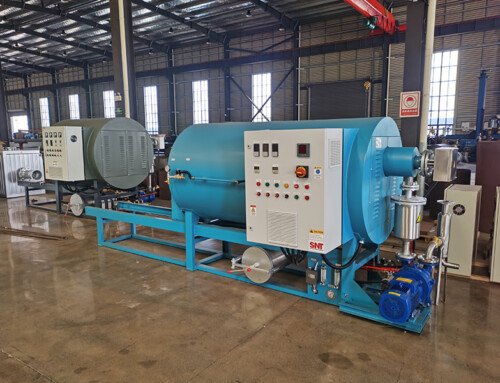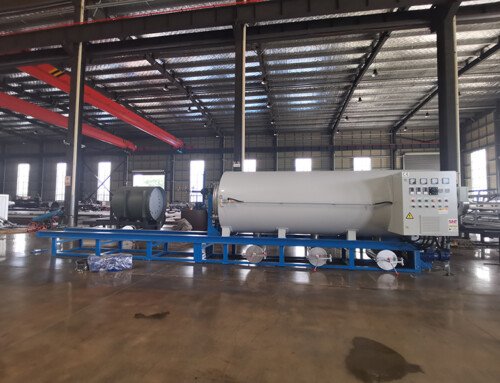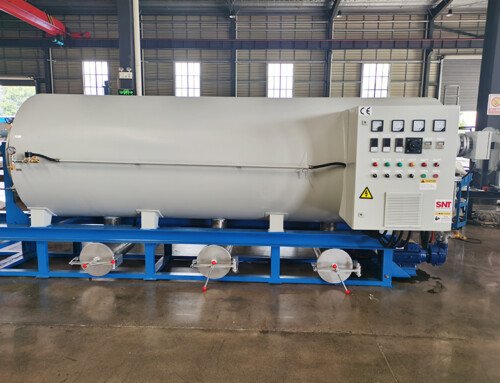
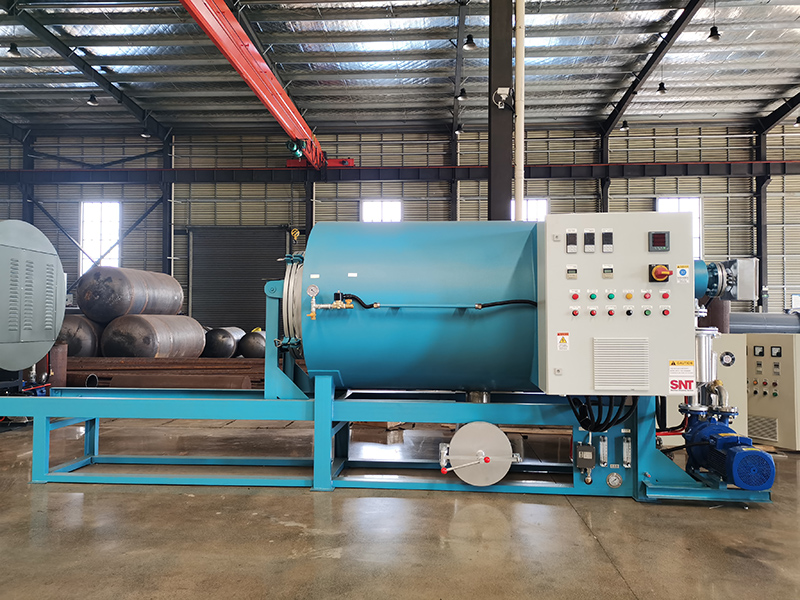
Regular deep cleaning for screw cleaning ovens is a critical part of industrial equipment maintenance that many teams overlook during tight production schedules. Overlooking this routine work can lead to hidden performance drops, unplanned downtime and even avoidable safety risks that disrupt long term operational stability.
Prevent gradual performance degradation over long operation cycles
Thin layers of residual polymer, fine carbon dust and tiny metal shavings build up slowly on heating elements, inner chamber walls and screw surfaces after repeated use. These accumulated layers act as an insulating barrier that blocks heat transfer, forcing the equipment to run for longer cycles to reach the set working temperature. This extended runtime puts extra strain on core heating components, making them wear out far faster than their designed service life. Without regular deep cleaning, uneven heat distribution inside the chamber will also create cold spots that fail to fully remove contaminants from the parts processed inside, leading to inconsistent cleaning results across different batches. Over months of continuous operation, the trapped residue can even harden into thick, stubborn deposits that are almost impossible to remove with basic surface wiping, creating permanent drag on the screw rotation that raises power consumption every single cycle.
Eliminate hidden cross contamination risks across production batches
Old, trapped residue left in narrow gaps of the screw threads and hidden chamber corners can flake off accidentally during new operation cycles. These stray particles will mix into the next batch of processed parts, introducing unwanted impurities that ruin the cleanliness standard of subsequent production runs. For operations that switch between different material types across batches, leftover traces from the previous material can react with new raw materials under high temperature, creating unexpected discoloration or performance defects that are hard to trace back to their source. Regular deep cleaning reaches every hidden gap that routine surface wiping misses, making sure no old residual material remains to interfere with the quality of future processing work. This level of thoroughness is especially important for production lines that handle high purity materials, where even a tiny amount of cross contamination can lead to entire batches being rejected.
Reduce unplanned downtime and extend overall equipment lifespan
When thick hardened residue builds up to a critical level, it can lock the screw in place or block key air flow vents inside the chamber, triggering sudden equipment faults in the middle of a production run. These unplanned breakdowns often require emergency repairs that take far more time than a scheduled deep cleaning session, and they can disrupt the entire connected production line for hours or even full days. Scheduled deep cleaning lets maintenance teams spot early signs of wear, such as minor surface corrosion or loose sealing parts, before these small issues turn into costly failures. By removing abrasive trapped particles that rub against moving components every cycle, regular deep cleaning also cuts down unnecessary mechanical wear on the screw and drive system. This steady, proactive care helps the equipment maintain its original designed performance for much longer, avoiding the need for premature major overhauls or full component replacements that come with unexpected heavy damage.
Even small, consistent deep cleaning sessions scheduled at set intervals will prevent the slow buildup of issues that sneak up on teams running at full production speed. Many facilities find that sticking to a regular deep cleaning schedule cuts down on random performance complaints and unplanned stops far more than they initially expected.