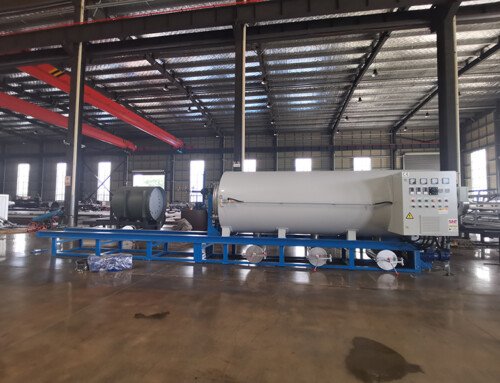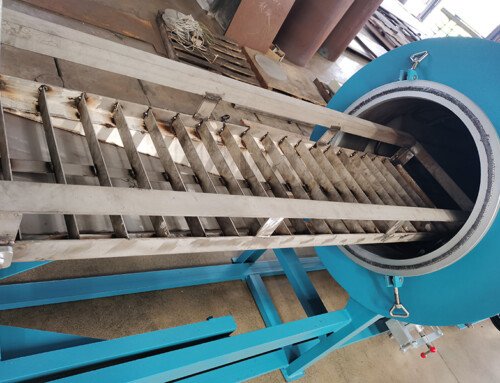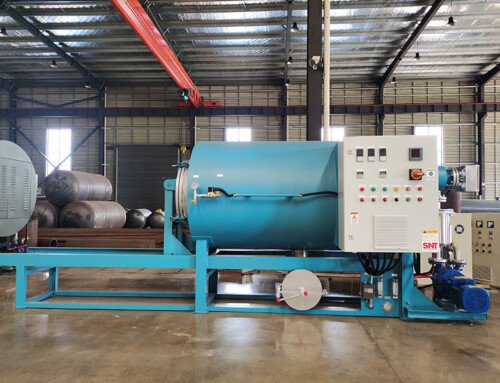
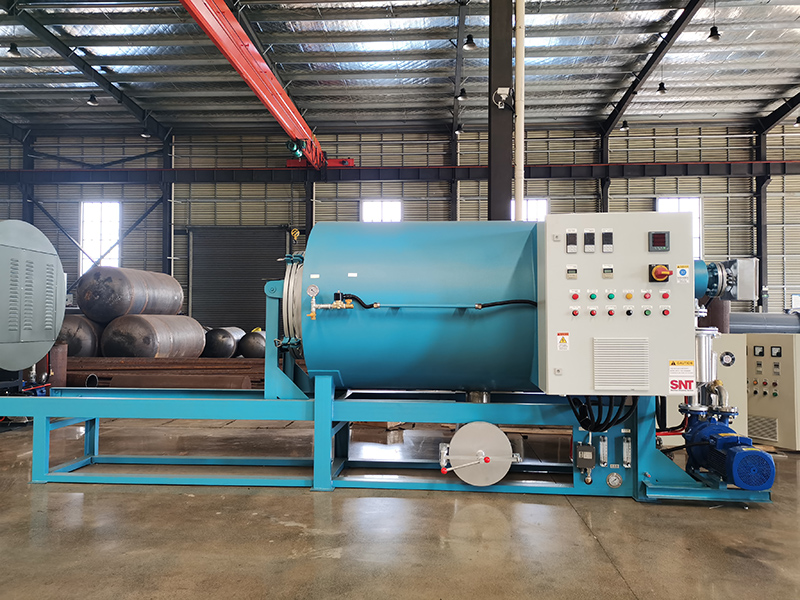
When a screw cleaning furnace sits idle for extended periods, its structural materials, sealing components, and internal heat transfer surfaces do not remain static, and they follow predictable natural aging patterns that slowly degrade overall system condition even when no active operation takes place. Many facilities overlook these gradual changes during long storage phases, only to discover unexpected performance losses or component failures when they attempt to restart the unit months later. Understanding how natural aging progresses through different idle storage stages allows operators to implement targeted preventive measures that preserve the furnace’s original working condition far longer.
Initial Post-Shutdown Residual Contamination Degradation
The first aging phase unfolds within the first few weeks after the furnace completes its final cleaning cycle and cools down to ambient temperature. Tiny traces of polymer residue, volatile organic compounds, and fine particulate matter left inside the chamber do not simply sit inert; they slowly react with oxygen and moisture that seeps in through imperfect seals. Over this period, these residues form thin, sticky films that adhere tightly to heating elements, chamber walls, and temperature sensor surfaces. If left unaddressed, these films will carbonize into hard, stubborn deposits that are extremely difficult to remove once the furnace is restarted, creating hot spots and inaccurate temperature readings during the next operating run.
Mid-Term Humidity Driven Corrosion Progression
For idle periods extending from several months to over a year, moisture penetration becomes the primary driver of natural aging. Ambient humidity that enters the sealed chamber creates thin water layers on all metal surfaces, especially on uncoated carbon steel components, flange connection points, and exposed fasteners. Corrosion progresses slowly at first, forming faint surface discoloration that is easy to miss during casual inspections, but it gradually deepens into pitting that can weaken structural integrity over time. Sealing gaskets made of elastomer materials also absorb moisture during this phase, leading to slow softening and permanent deformation that breaks the air tight seal the furnace relies on to maintain proper vacuum levels during operation.
Long Term Seal and Component Stress Relaxation
When a screw cleaning furnace remains idle for multiple years, constant static stress on critical components begins to drive irreversible dimensional changes. Compressed gaskets under flange bolt load slowly relax, losing their original compression set and creating small, unseen gaps that allow continuous air leakage even if no physical damage is visible on the gasket surface. Spring loaded mechanisms on door latches and safety interlocks also experience gradual stress relaxation, reducing their holding force to the point where they can no longer maintain secure, consistent engagement. Heating element support ceramics may also develop slow micro crack propagation from long term static load and minor ambient temperature cycling, creating hidden points of failure that only become apparent when the furnace heats back up to full operating temperature.
Ambient Temperature Cycling Aging Acceleration
Fluctuations in storage area temperature amplify every stage of natural aging, creating repeated expansion and contraction cycles that speed up material degradation. When the surrounding temperature rises, air trapped inside the furnace chamber expands and pushes outward, forcing small amounts of internal air out past seal gaps. When temperature drops later, the chamber pulls in new ambient air carrying fresh moisture and contaminants, continuously replenishing the elements that drive corrosion and residue formation. These daily and seasonal temperature swings also create constant micro movement at material boundaries, speeding up the development of micro cracks in brittle components and accelerating the relaxation of pre stressed parts.
Passive Aging Mitigation Alignment
Mapping the exact natural aging pattern for a specific idle storage environment allows facilities to implement simple, low effort measures that drastically slow down degradation. Regular low pressure dry air purges at set intervals displace moist contaminated air inside the chamber, while light re-torquing of flange bolts at six month intervals compensates for early gasket relaxation. Even moving the unit to a shaded, temperature stable storage area without direct sunlight or weather exposure can cut the overall natural aging rate by a significant margin, ensuring the screw cleaning furnace retains its full original performance capabilities and can be restarted without extensive repairs after years of idle storage.