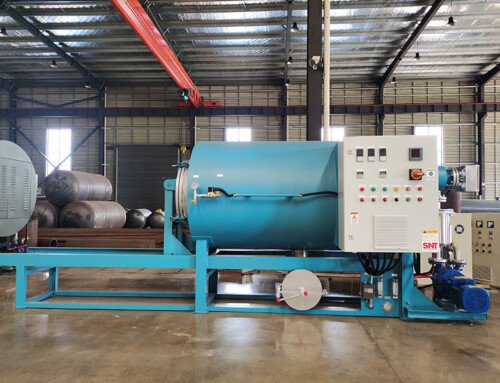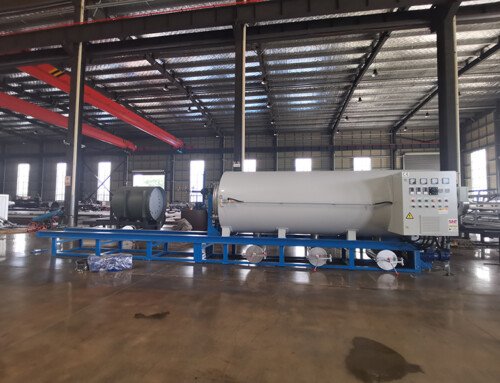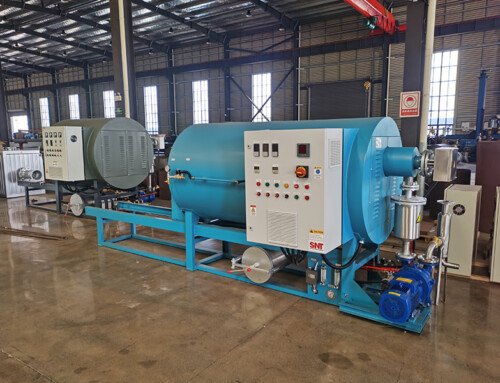
Proper Screw Placement Methods in a Screw Cleaning Furnace
Correct screw placement inside a screw cleaning furnace directly affects cleaning efficiency, heating uniformity, and equipment safety. Improper arrangement may lead to uneven residue removal, thermal deformation, or unnecessary surface damage during high-temperature operation.
Inspect Screws Before Placement
Before loading screws into the furnace chamber, operators should check for excessive residue, loose contaminants, or visible structural damage.
Large pieces of hardened polymer should be removed manually when possible. This reduces smoke generation and improves airflow during the cleaning cycle.
Confirm Screw Size and Weight Distribution
Different screw sizes require different support methods inside the furnace. Heavy or oversized screws should be positioned carefully to avoid imbalance during heating.
Balanced placement helps reduce stress on support structures and improves thermal consistency.
Clean the Furnace Interior Before Loading
Ash, carbon particles, and leftover residue from previous cycles should be removed from the furnace chamber before new screws are placed inside.
A clean chamber supports better heat circulation and prevents contamination during cleaning.
Horizontal Placement Techniques for Screw Cleaning
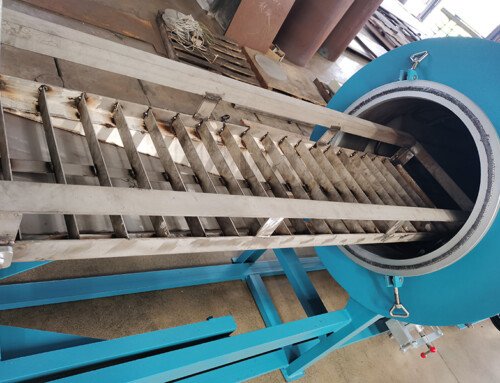
Horizontal placement is one of the most common methods used in industrial screw cleaning operations.
Keep Adequate Space Between Screws
Screws should not be stacked directly against each other. Proper spacing allows heat and airflow to circulate evenly around threaded surfaces.
Insufficient spacing may create cold spots and reduce cleaning effectiveness in deep grooves.
Use Stable Support Structures
Support racks or heat-resistant holders should keep screws stable during the heating process.
Unstable placement may cause screws to roll, shift, or contact furnace walls during thermal expansion.
Avoid Direct Contact With Furnace Walls
Screws should remain separated from chamber walls and heating elements.
Direct contact may create localized overheating, surface discoloration, or uneven thermal stress.
Vertical Placement Considerations for Large Components
Some facilities use vertical positioning for long screws or limited chamber space.
Ensure Proper Load Stability
Vertical placement requires stable lower support points to prevent leaning or movement during heating.
Poor support may increase the risk of component deformation or accidental shifting.
Maintain Uniform Heat Exposure
When screws are positioned vertically, operators should ensure that airflow reaches all sections evenly from top to bottom.
Uneven heat exposure may leave residue on lower threaded sections.
Prevent Excessive Weight Pressure
Large screws placed vertically should not place excessive pressure on lower threads or tip sections.
Improper load distribution may damage precision surfaces during prolonged heating cycles.
Arrangement Methods for Multiple Screws
Industrial cleaning operations often process multiple screws in a single cycle.
Separate Screws by Size and Material
Different metals and screw dimensions may respond differently to heat.
Grouping similar components together helps maintain more consistent cleaning results and reduces uneven thermal expansion.
Avoid Overloading the Furnace Chamber
Excessive loading restricts airflow and increases heating time.
Maintaining moderate chamber capacity improves cleaning uniformity and helps stabilize furnace temperature distribution.
Position Long Screws Parallel to Airflow Direction
Placing screws parallel to the primary airflow path may improve heat circulation around threaded surfaces.
Better airflow distribution supports more efficient residue decomposition.
Safety Practices During Screw Placement
Correct handling methods help reduce workplace injuries and equipment damage.
Use Heat-Resistant Handling Tools
Even before heating begins, large screws may be difficult to position safely due to weight and sharp threaded surfaces.
Proper lifting tools and protective gloves improve handling safety.
Avoid Surface Impact During Loading
Dropping or striking screws against support structures may damage thread geometry or surface coatings.
Careful loading procedures help maintain component precision.
Check Placement Stability Before Startup
Before starting the furnace, operators should confirm that all screws remain securely positioned inside the chamber.
Stable placement reduces movement risks during heating and cooling cycles.