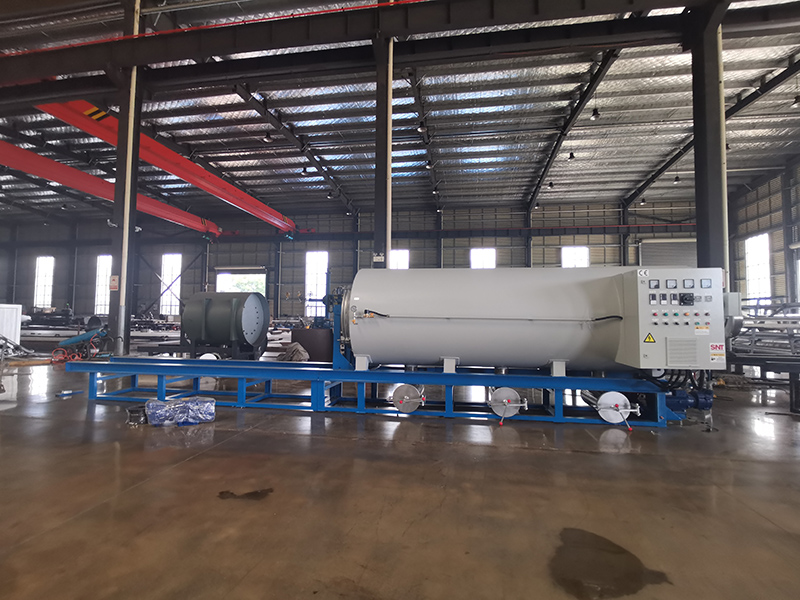
Screw Cleaning Furnace Startup Operation Steps
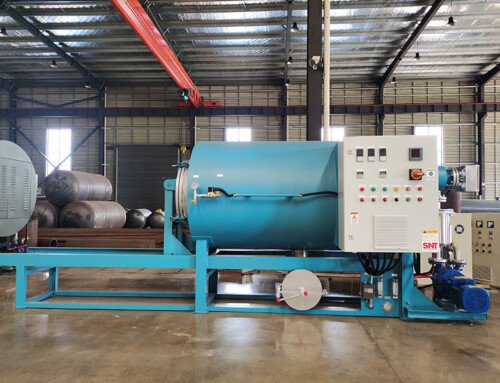
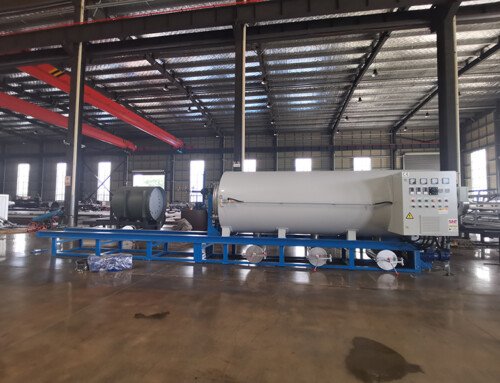
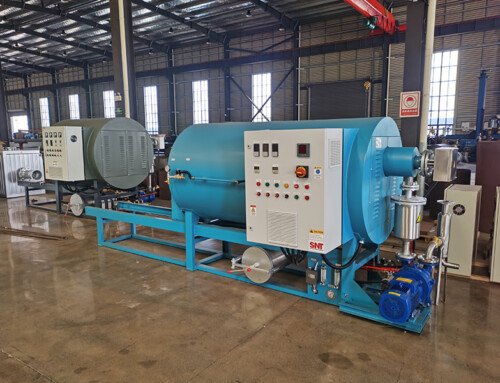
A screw cleaning furnace is widely used for removing polymer residue, carbon buildup, and contaminants from screws, barrels, and metal processing components. Following the correct startup procedure helps maintain stable furnace performance, improves cleaning efficiency, and reduces operational risks.
Inspect the Furnace Before Powering On
Before starting the equipment, operators should inspect the furnace chamber, control panel, electrical wiring, and ventilation system.
Loose connections, damaged insulation, or visible residue buildup inside the chamber should be addressed before operation begins. Regular pre-start inspections help prevent unexpected interruptions during the heating cycle.
Confirm Power Supply Stability
The furnace should operate under a stable power source that matches equipment requirements. Voltage fluctuations may affect temperature control accuracy and heating performance.
Circuit breakers, grounding systems, and emergency stop functions should also be checked before startup.
Verify Ventilation System Operation
A screw cleaning furnace may release smoke and decomposition gases during operation. Exhaust fans and ventilation ducts should be activated before heating begins.
Proper airflow helps maintain safer working conditions and supports stable furnace performance.
Preparing Components Before Furnace Startup
Correct preparation of screws and metal parts improves cleaning quality and reduces unnecessary furnace load.
Remove Excess Plastic Residue
Large pieces of attached plastic or hardened material should be removed manually before loading components into the furnace.
Reducing excess residue lowers smoke generation and shortens cleaning time.
Check Component Surface Conditions
Operators should inspect screws and barrels for cracks, severe wear, or damaged coatings before cleaning.
Components with structural damage may require separate handling instead of direct furnace cleaning.
Arrange Components Properly
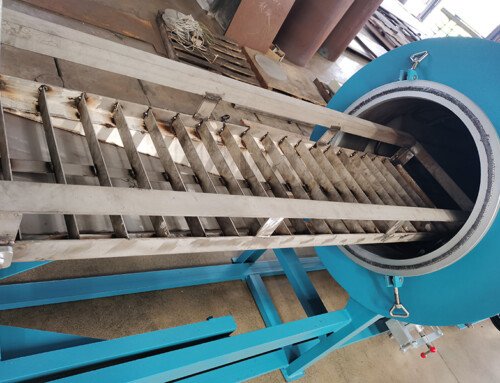
Metal parts should be placed securely inside the furnace chamber with enough spacing for proper heat circulation.
Overlapping or tightly packed components may lead to uneven heating results.
Furnace Startup and Heating Procedures
Careful startup operation helps maintain safe and consistent heating conditions.
Turn On the Main Power System
After completing inspections, operators can activate the main power supply and control system.
Indicator lights, display screens, and temperature controllers should function normally before proceeding to the next step.
Set the Appropriate Heating Temperature
The furnace temperature should match the type of polymer residue being removed. Different materials require different decomposition temperatures for effective cleaning.
Temperature settings should increase gradually to avoid sudden thermal stress on metal components.
Start the Heating Cycle Slowly
Gradual heating allows screws and metal parts to expand evenly during operation. Rapid temperature increases may create surface deformation or internal stress.
Operators should monitor furnace conditions closely during the initial heating stage.
Monitoring During Startup Operation
Continuous observation during startup helps identify abnormal conditions early.
Observe Temperature Stability
Temperature fluctuations during startup may indicate sensor issues, unstable power supply, or heating element problems.
Stable heating performance is essential for consistent cleaning quality.
Watch for Unusual Smoke or Odors
Some smoke generation is normal during polymer decomposition. However, excessive smoke, sparks, or strong abnormal odors may indicate overheating or contamination problems.
If unusual conditions appear, the furnace should be inspected immediately.
Monitor Ventilation Performance
Exhaust airflow should remain stable throughout startup and heating operation. Poor ventilation may allow gases to accumulate around the equipment area.
Regular monitoring helps maintain a safer working environment.
Safety Procedures After Startup
Safe operation practices should continue after the furnace reaches operating temperature.
Keep the Furnace Area Clean
Combustible materials, oil containers, and plastic waste should remain away from the furnace area during operation.
A clean workspace reduces fire risks and improves operational safety.
Use Protective Equipment During Handling
Operators working near the furnace should wear heat-resistant gloves, protective clothing, and eye protection.
Handling hot metal components without proper protection increases the risk of burns and injuries.
Record Startup Conditions for Maintenance
Recording startup temperatures, heating duration, and operating conditions helps support long-term maintenance planning.
Operational records can also help identify recurring equipment issues before major failures occur.