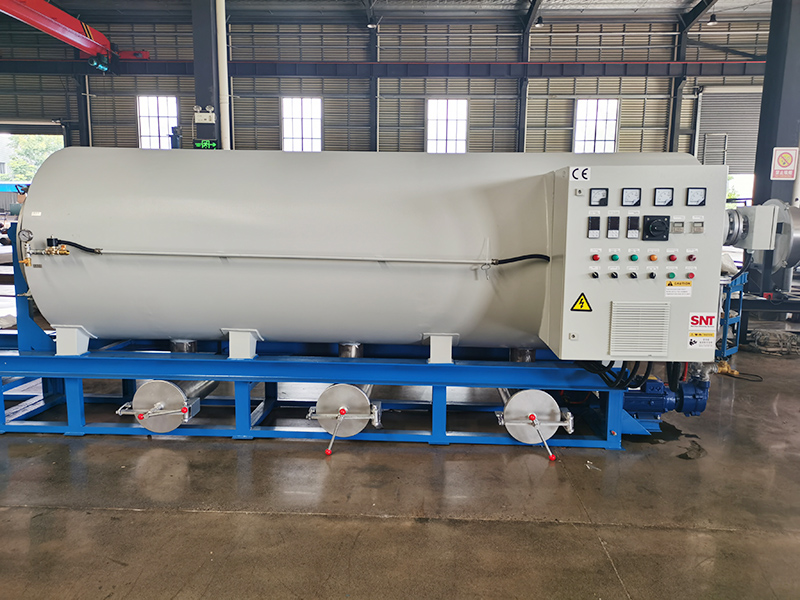
Screw Cleaning Furnace Shutdown Operating Standards
Proper shutdown procedures for a screw cleaning furnace are essential for maintaining equipment stability, protecting metal components, and improving workplace safety. A controlled shutdown process also helps reduce unnecessary wear on heating systems and electrical components.
Confirm Completion of the Cleaning Cycle
Before shutting down the furnace, operators should verify that the cleaning process has fully finished and that the required holding temperature and operating time have been completed.
Stopping the furnace too early may leave polymer residue or carbon deposits on screw surfaces and threaded sections.
Check Furnace Temperature Conditions
The internal temperature should begin decreasing gradually before the main shutdown process continues.
Abruptly cutting power while the furnace remains at extremely high temperatures may affect heating elements, insulation materials, and metal components inside the chamber.
Inspect Ventilation System Performance
Ventilation equipment should continue operating during the initial cooling stage. Smoke, decomposition gases, and residual heat may still remain inside the chamber after heating stops.
Stable airflow helps improve cooling efficiency and workplace safety.
Controlled Cooling Procedures After Shutdown
Cooling management is one of the most important parts of the shutdown process.
Reduce Temperature Gradually
The furnace should cool naturally instead of using forced cooling methods. Sudden temperature drops may create thermal stress and increase the risk of screw deformation or surface cracking.
Gradual cooling also helps protect furnace insulation and heating components.
Keep the Furnace Door Closed During Early Cooling
Opening the chamber too early may expose hot metal components to rapid air temperature changes.
Keeping the furnace door closed during the initial cooling stage helps maintain more stable internal conditions and reduces oxidation risks.
Monitor Cooling Progress Regularly
Operators should continue checking temperature readings throughout the cooling process.
Abnormal temperature fluctuations after shutdown may indicate control system issues or residual heating problems.
Power-Off Procedures for Safe Shutdown
Electrical shutdown should follow a clear operating sequence to reduce equipment stress.
Turn Off the Heating System First
The heating system should be shut down before disconnecting the main power supply.
This sequence allows the temperature control system to complete its normal cooling operation.
Shut Down Auxiliary Systems in Order
Exhaust fans, control systems, and auxiliary equipment should remain active until furnace temperatures reach a safer range.
Turning off ventilation too early may allow smoke and heat to accumulate around the equipment area.
Disconnect Main Power After Cooling
Once the furnace has cooled to an appropriate temperature, operators can disconnect the main power system safely.
Electrical panels and switches should remain dry and free from dust accumulation during shutdown maintenance.
Post-Shutdown Inspection and Cleaning
Routine inspection after shutdown helps maintain long-term furnace performance.
Remove Residual Ash and Debris
After the chamber cools completely, operators should clean remaining ash, carbon particles, and residue from the furnace interior.
Excess buildup may interfere with airflow and future heating efficiency.
Inspect Heating Components
Heating elements, insulation materials, and temperature sensors should be checked regularly for signs of wear or surface damage.
Early inspection helps reduce unexpected equipment failures.
Examine Screws and Metal Parts
Cleaned screws and metal components should be inspected for remaining residue, discoloration, or surface abnormalities before reuse.
Proper post-cleaning inspection supports consistent processing quality.
Safety Requirements During Furnace Shutdown
Safe operating habits remain important even after heating has stopped.
Use Protective Equipment During Handling
Metal parts may remain extremely hot for an extended period after shutdown. Heat-resistant gloves and protective tools should always be used during unloading and cleaning operations.
Keep Flammable Materials Away From the Cooling Area
The surrounding area should remain free from oil, solvents, plastic waste, and combustible materials during cooling.
Residual heat from the furnace may still present fire risks after shutdown.
Record Shutdown and Maintenance Information
Documenting shutdown temperatures, cooling duration, and maintenance observations helps improve equipment management and operational consistency.
Accurate records can also support preventive maintenance planning and troubleshooting.