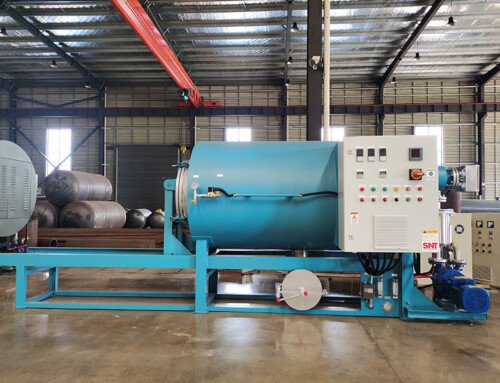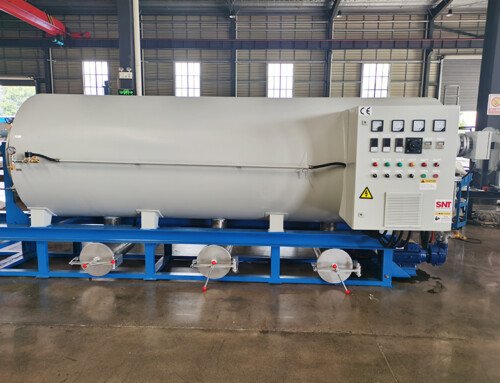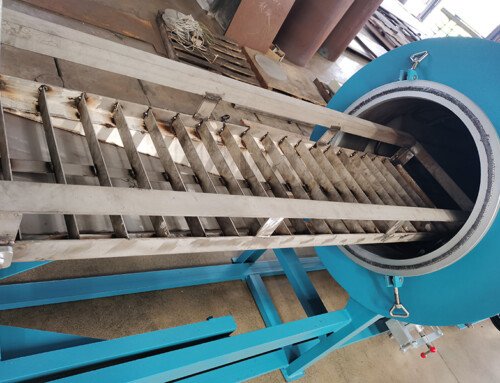
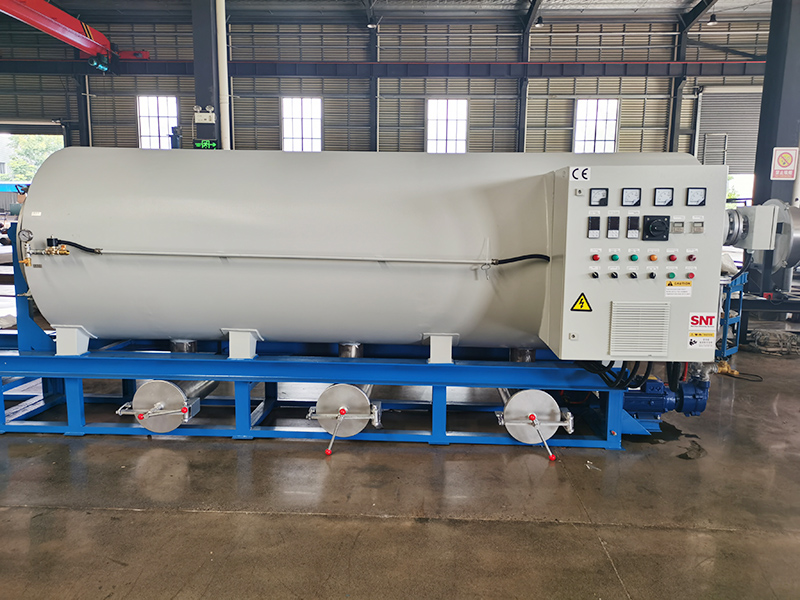
Installing and commissioning a screw cleaning furnace in a low-temperature workshop brings a unique set of challenges that standard room-temperature workflows do not address. Cold ambient conditions can slow material curing, create unexpected condensation inside components, and throw off baseline system readings that are calibrated for warmer environments. A structured, temperature-aware installation and commissioning process eliminates these cold-related risks, ensuring the unit runs reliably and consistently from its very first operating cycle.
Pre-installation site temperature and condition assessment
Before any physical equipment arrives on site, a full survey of the low-temperature workshop environment helps you identify hidden cold spots, draft zones, and temperature fluctuations that could disrupt installation work later. Many teams proceed directly to uncrating and assembly without mapping these variables, only to run into unexpected material handling issues or component performance problems that delay the entire project. This pre-work lays a stable foundation for every step that follows.
Long-period ambient temperature logging
Run continuous temperature monitoring across the full proposed installation zone for at least 48 hours before equipment delivery, to capture not just average daytime temperatures, but also the lowest overnight lows and any sudden drops caused by nearby loading bay doors or uninsulated exterior walls. Mark any spots where temperatures fall far below the workshop’s general baseline, as these cold pockets will create consistent condensation risks once the furnace begins cycling between hot and cold operating states. This data lets you adjust the final installation position to avoid the most problematic microclimates.
Draft and cold air flow mapping
Walk the full workshop during different operating shifts to track paths of cold incoming air that blow in through exterior doors, uninsulated vent openings, or gaps around loading docks. Even a small steady draft of cold air blowing directly across the furnace body during cool-down cycles can create uneven surface cooling, which leads to internal stress on metal components and inconsistent temperature readings. Adjust the planned installation layout to keep the furnace out of the direct path of these persistent cold air flows, or add simple directional baffles to redirect drafts away from the unit.
Cold-adapted installation and assembly procedures
Standard assembly steps that work seamlessly in a warm workshop can lead to loose seals, misaligned fittings, and trapped moisture when carried out in consistently low temperatures. Material properties shift in cold conditions, gaskets and sealants take far longer to fully cure, and small traces of moisture that would normally evaporate quickly can freeze in place before you have a chance to wipe them away. Adjusting every assembly step to account for these cold environment traits prevents hidden flaws that would cause leaks or performance issues later.
Pre-warming of critical components
Bring all precision components, sealants, and lubricants into a controlled warm space for several hours before you begin assembly, so they can acclimate to a temperature well above the workshop dew point. This stops cold, stiff gaskets from cracking when you tighten them into place, and ensures lubricants flow smoothly instead of turning thick and sluggish during initial fitting. It also prevents cold component surfaces from pulling condensation out of the surrounding air the second you unwrap them, which would leave hidden moisture trapped inside sealed joints.
Slow, staged seal and adhesive curing
Do not rush through the final tightening of flange joints, door seals, and bonded assembly points just to hit a project timeline. Low ambient temperatures drastically extend the full cure time for most sealants and gaskets, and applying full operating pressure before they are fully set will create tiny gaps that leak air or fumes during furnace operation. Hold each joint at a low, steady pre-torque for an extended period, then re-tighten to full specification once the sealant has had time to fully harden in the cold workshop conditions. This small extra step eliminates almost all post-commissioning seal leaks that are common in low-temperature installations.
Phased low-temperature commissioning and baseline calibration
Once full assembly is complete, a gradual, multi-stage startup process ensures every system component adjusts to the low workshop environment without thermal shock or unexpected sensor drift. If you jump straight to a full high-temperature operating cycle, the extreme difference between the cold ambient air and the rapidly heating furnace internals can create heavy sudden condensation that damages electrical parts, or warps metal components that have not been given time to expand slowly. A phased approach builds stable operating conditions one step at a time.
Stepwise temperature ramp-up cycles
Run multiple low-temperature pre-heat cycles before ever reaching the full cleaning operating temperature. Start at a very low setpoint just a few degrees above the workshop ambient, hold it there for several hours, then raise the setpoint in small, incremental steps. This slow ramp lets all moisture that condensed inside components during assembly evaporate gradually and vent out safely, instead of flashing into steam all at once. It also lets every metal part of the furnace expand evenly, preventing uneven stress that could warp the screw tracks or door sealing surfaces.
Cold-environment baseline sensor calibration
All temperature, pressure, and flow sensors on the furnace must be recalibrated to match the actual low ambient conditions of the workshop, instead of relying on default factory calibration values that were set in a warm testing facility. The difference between the factory baseline temperature and your workshop’s normal low operating temperature can create consistent small reading errors that make the furnace run at incorrect setpoints, wasting energy or producing uneven cleaning results. Run calibration checks at multiple stable temperature stages during the ramp-up process, to confirm every sensor reads accurately against reference measurements taken in the same low-temperature environment. Once this full phased commissioning process is complete, the furnace will operate stably with no unexpected cold-related faults for the rest of its service life.