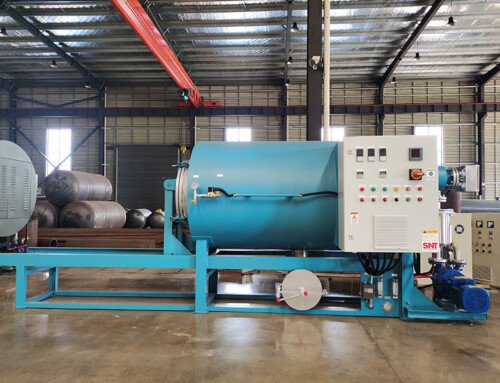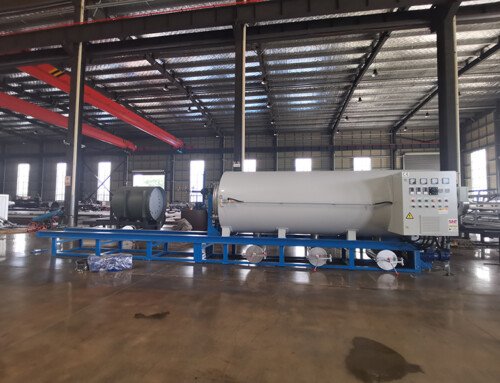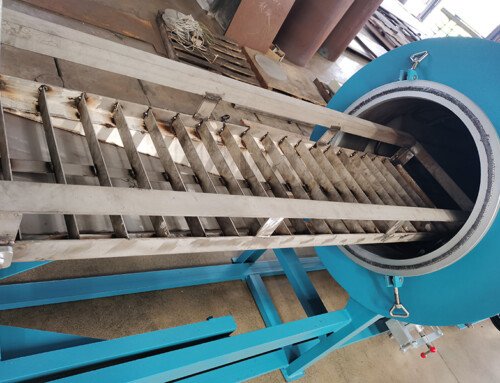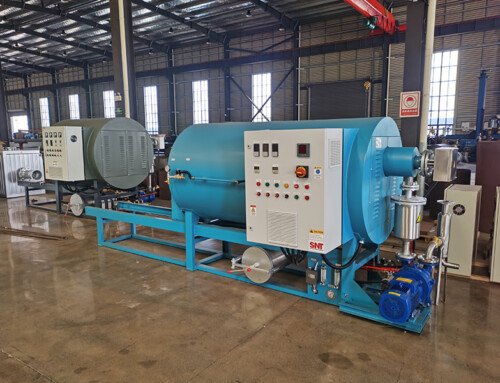
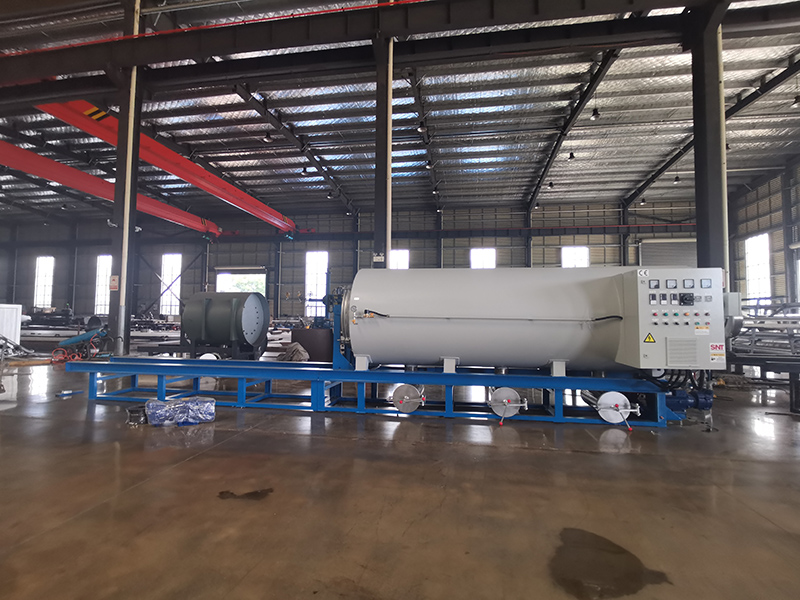
A sticking or binding door on a screw cleaning oven compromises both operational efficiency and safety, requiring a systematic approach to diagnosis and correction. The first step is always to ensure the system is completely powered down, locked out, and has cooled to a safe ambient temperature to prevent accidental activation or thermal injury. Begin with a visual and tactile inspection of the entire door assembly. Look for obvious physical obstructions in the door track or hinge path, such as accumulated debris, hardened cleaning residue, or a misplaced tool. Manually open and close the door several times to feel for the precise point where the binding occurs. Is the resistance consistent, or does it happen at a specific angle or position? This initial assessment helps narrow down the potential cause.
Inspecting and Cleaning Seals and Contact Surfaces
A common culprit for door sticking is the condition of the door gasket or seal. Over time and exposure to high temperatures and chemical cleaning agents, silicone or fiber-based seals can harden, crack, or swell. Inspect the seal around the entire door perimeter for any signs of deterioration, distortion, or detachment. A swollen or misshapen seal can create excessive friction against the door frame. Carefully clean both the seal and its mating surface on the oven frame using a soft brush and a compatible solvent recommended by the oven manufacturer to remove any baked-on residue or foreign material. Do not use abrasive pads or sharp tools that could damage the sealing surface. After cleaning, applying a thin, even layer of high-temperature silicone lubricant specifically designed for oven seals can often restore smooth movement if the seal is still in good condition.
Aligning the Door and Adjusting Mechanical Components
If the seal is not the issue, the problem likely lies in mechanical misalignment or wear. Check the door hinges, latches, and any guide pins or rollers. Look for signs of wear, such as elongated hinge pin holes, bent latch mechanisms, or flattened rollers. Using a spirit level, verify that the oven frame and door are plumb and square. Misalignment can cause the door to sag over time, making it drag against the frame. For hinged doors, adjustment is typically made via set screws on the hinge plates. Loosen these screws slightly, reposition the door until it sits evenly within the frame with consistent clearance on all sides, then re-tighten. For doors with a cam-lock or latch mechanism, ensure the latch hooks are engaging smoothly and fully with their corresponding strike plates; these may also be adjustable. In some cases, worn guide rollers or bushings may need to be replaced to eliminate play and restore proper tracking.
Addressing Warping and Structural Issues
In persistent cases where cleaning and alignment do not resolve the sticking, thermal warping of the door or frame must be considered. Repeated heating and cooling cycles can induce stress and distortion in metal components. Use a straightedge or a taught string to check the flatness of the door panel and the opening of the oven frame. Significant warping may prevent a proper seal and cause binding. For minor warping, adjusting the latch mechanism to accommodate the distortion might provide a temporary solution. However, significant warping often indicates a more serious problem, such as overheating due to faulty insulation or temperature control, and may require consultation with the equipment manufacturer or a specialized technician to assess the feasibility of repair versus replacement of the affected component.