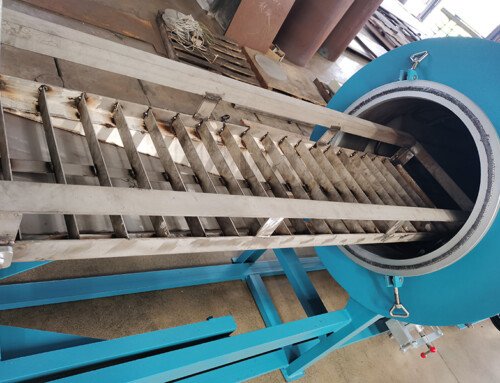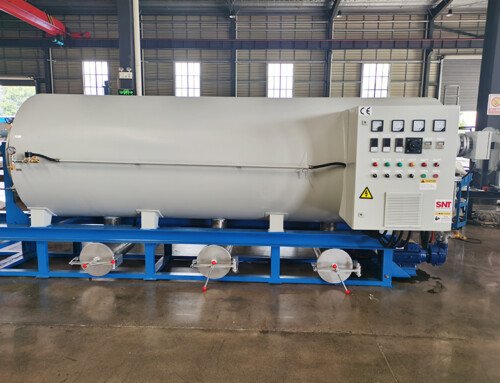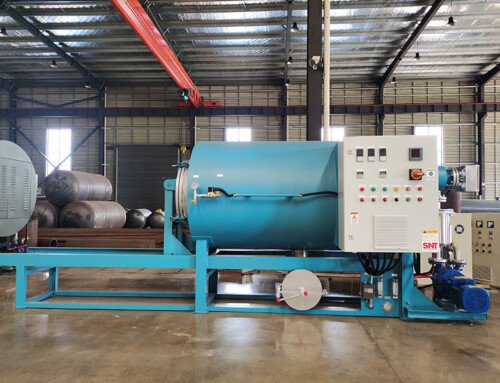
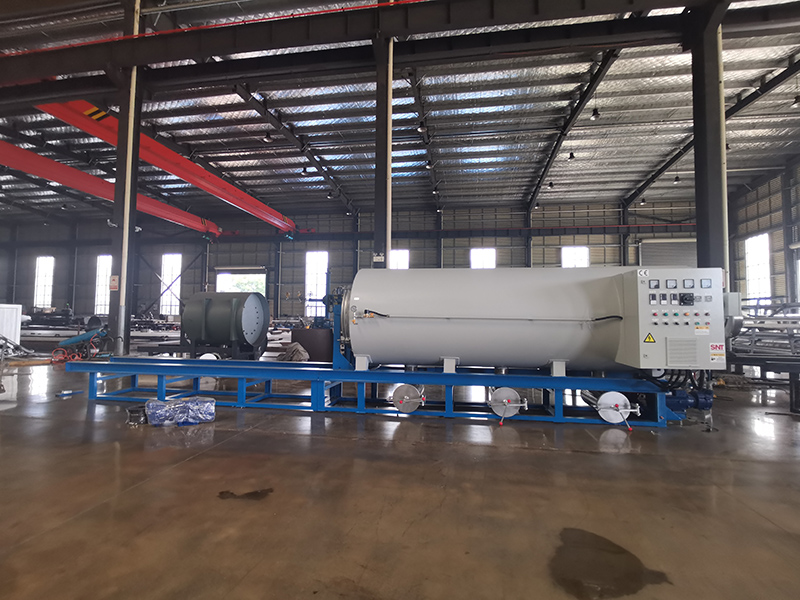
The operational lifespan of a screw cleaning furnace depends on a mix of daily operating choices, environmental conditions, and routine maintenance habits that accumulate over thousands of heating and cooling cycles. Many facilities that run these units at high frequency notice unexpected drops in performance or early component failure long before the expected service life is reached, and most of these issues trace back to small, repeated oversights that were never addressed during regular operation. Understanding the core factors that shape long-term durability helps teams avoid unnecessary wear and keep the furnace running reliably for far longer through its full working lifecycle.
Thermal cycling management is one of the most impactful factors that directly determines how long the furnace’s core heating chamber and internal components will last. Every time the unit ramps up from ambient temperature to full operating heat and then cools back down, all the metal structures inside expand and contract slightly under thermal stress. Teams that frequently run unplanned rapid heat cycles, or shut the furnace down abruptly at full operating temperature instead of letting it go through a controlled cool-down phase, put enormous repeated strain on weld points, internal heating elements, and the chamber lining. Over time this stress creates tiny cracks that grow larger with every cycle, eventually leading to structural leaks, uneven heat distribution, and unexpected failure that forces full repairs.
Residue buildup and incomplete post-cycle cleaning create hidden, long-term damage that slowly erodes the furnace’s internal performance. During normal screw cleaning operations, small amounts of melted plastic, carbonized material, and fine dust get left behind on the chamber walls, heating elements, and exhaust pathways after each run. If these deposits are not cleared on a regular schedule, they build up into thick, hardened layers that act as an insulating barrier. This insulation traps excess heat against the heating element surfaces, creating persistent local hot spots that burn through components far faster than they would under normal operating conditions. Over months of neglected cleaning, these accumulated residues can also catch unintended fire inside the chamber, creating sudden pressure spikes that put extra stress on the entire furnace structure.
Ventilation and ambient operating conditions in the surrounding workshop play a quiet but consistent role in long-term component wear. If the furnace is placed in a space with no proper air flow, the area around the unit will trap waste heat and push the ambient operating temperature far above the design limits for the furnace’s electrical cabinets, motor drives, and external cooling components. Continuous operation in this overheated environment accelerates oxidation of wiring insulation, lubricant breakdown in rotating parts, and general wear on every moving component. Facilities that place the unit near sources of heavy dust or corrosive fumes will see even faster degradation, as fine particles get pulled into the furnace’s ventilation system and abrade sensitive moving parts or coat electrical contact points.
Operational load alignment also shapes how quickly the furnace wears down over years of use. Many teams push the unit to run at maximum temperature and full capacity for every single batch, even when the cleaning task does not require that level of heat. This consistent overloading puts unnecessary extra strain on every part of the system, making components degrade far faster than they would if the heat level and cycle duration were adjusted to match the specific material being cleaned every time. Even small adjustments, like running a lower temperature cycle for less stubborn residues instead of always using the maximum heat setting, can cut down long-term component wear dramatically and extend the overall service life of the unit by a very noticeable margin.
Teams that have managed these furnaces across years of continuous production have learned that long service life is never an accident. It comes from consistent, small daily choices that respect the physical limits of the equipment, instead of pushing it to its absolute maximum for every single operation. These simple, repeated practices add up over thousands of operating hours, and they help the unit stay reliable and productive long after many similar installations have already needed major overhauls or full replacement.