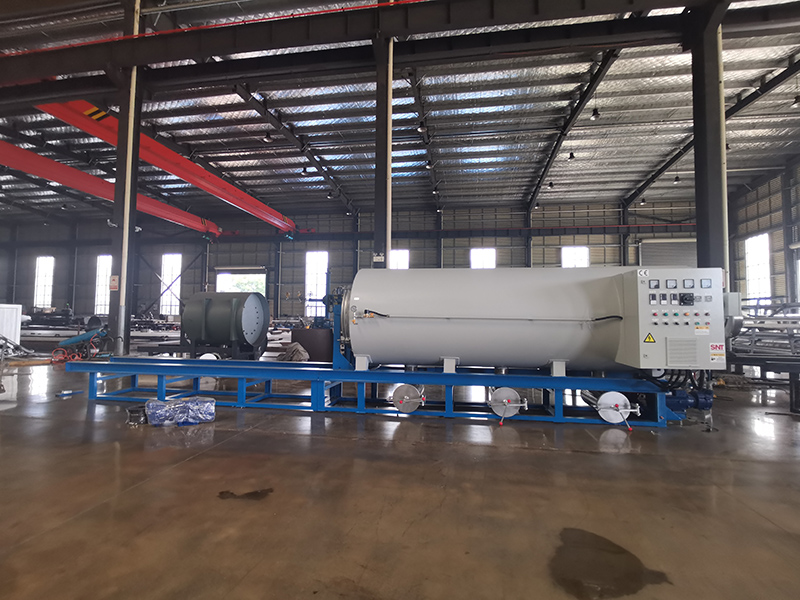
Based on our previous detailed discussions on screw cleaning furnace operation, including its handling of ust accumulation fault and procedures for the cabin door is having difficulty closing smoothly., early detection of performance degradation is crucial for preventing unplanned downtime. Proactive daily observation focuses on subtle shifts in operational norms, energy consumption patterns, and output quality, which often signal developing issues long before a complete failure occurs. Establishing a routine checklist for these indicators allows maintenance teams to schedule interventions during planned shut down, avoiding costly production interruptions.
Monitoring Cycle Performance and Energy Consumption Deviations
The most accessible early warning signs are changes in the cleaning the furnace’s standard operational cycle. Note the time required for the chamber to reach its target operating temperature during each run. A gradual but consistent increase in heat-up time often points to declining efficiency in the heating elements, scaling on heating surfaces, or issues with thermal insulation. Similarly, monitor the electrical current draw or energy meter reading for the standard cleaning cycle. A steady rise in power consumption for the same process parameters indicates the system is working harder to achieve the same result, potentially due to increased friction from wear, loss of vacuum integrity, or a struggling exhaust system. Documenting these baseline times and consumption figures weekly creates a vital trend line for early detection.
Observing Physical and Auditory Cues During Operation
Daily visual and auditory checks during operation can reveal developing mechanical issues. Visually inspect the furnace door seal before and after each cycle. Look for new or worsening signs of polymer bleed-out, discoloration, or physical deformation of the seal, which can precede vacuum leaks or temperature uniformity problems. During the screw rotation phase, listen attentively. The sound of the drive motor and rotating assembly should be a consistent, smooth hum. The emergence of new sounds—such as intermittent clicking, a rhythmic scraping, or a change in pitch under load—can indicate foreign material interference, early bearing wear, or slight misalignment in the drive train. Also, observe the exhaust stream or filter; an increase in visible particulate or a change in the color/smell of emissions can signal incomplete pyrolysis or filter media saturation.
Assessing Output Quality and Post-Cycle Chamber Condition
The condition of the cleaning the furnace’s output—the cleaned screw and the chamber itself—provides direct feedback on process efficacy. After each cycle and cooling period, inspect the screw before removal. Are there new, localized areas where carbonized residue persists, especially in the root of the thread or other complex geometries? This could indicate uneven heating, localized cooling, or airflow blockages within the chamber. Similarly, examine the chamber interior. An increase in the amount of fine, powdery ash left on chamber walls or floors, or a change in the ash’s texture (e.g., becoming more sticky or clumped), suggests changes in the pyrolysis atmosphere or temperature profile. Tracking these qualitative changes alongside quantitative cycle data builds a comprehensive picture of the system’s health.
Tracking Control System Anomalies and Error Logs
Modern cleaning the furnace’s with PLC or touchscreen controls offer a digital log of operational parameters and minor faults. Make it a routine to review any alarm history or warning messages, even those that self-clear. Frequent, low-level alarms related to “temperature deviation,” “pressure fluctuation,” or “motor current high” are significant precursors. Note if the system requires manual resetting of parameters more often than before, or if setpoints seem to “drift” between cycles. Also, monitor the stability of key readouts during a cycle; a temperature graph that shows increased oscillation or a vacuum level that takes longer to stabilize are soft indicators of a developing control or sensor issue that warrants investigation before it escalates into a hard fault that stops production.