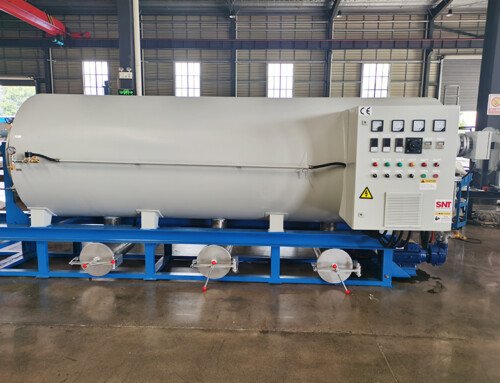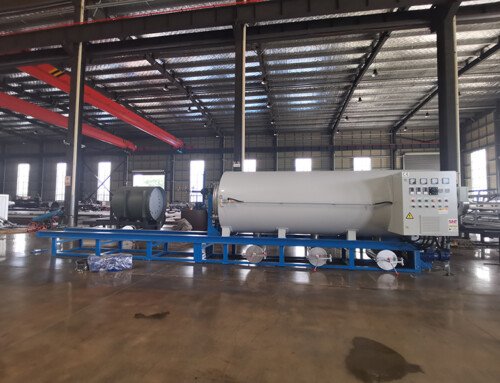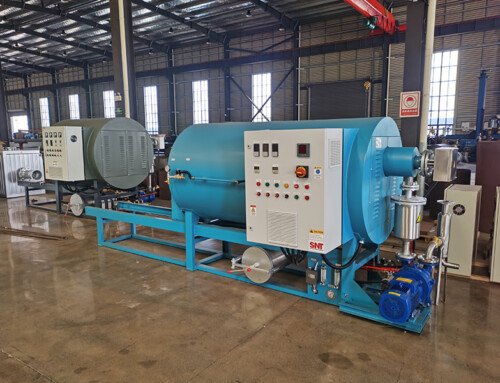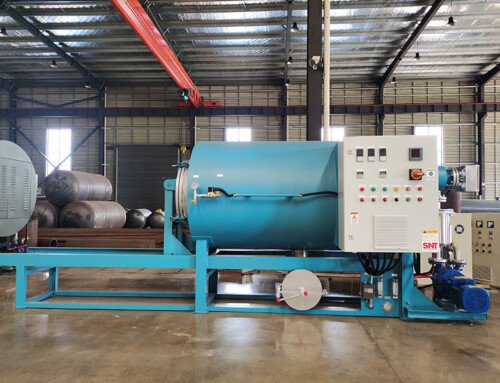
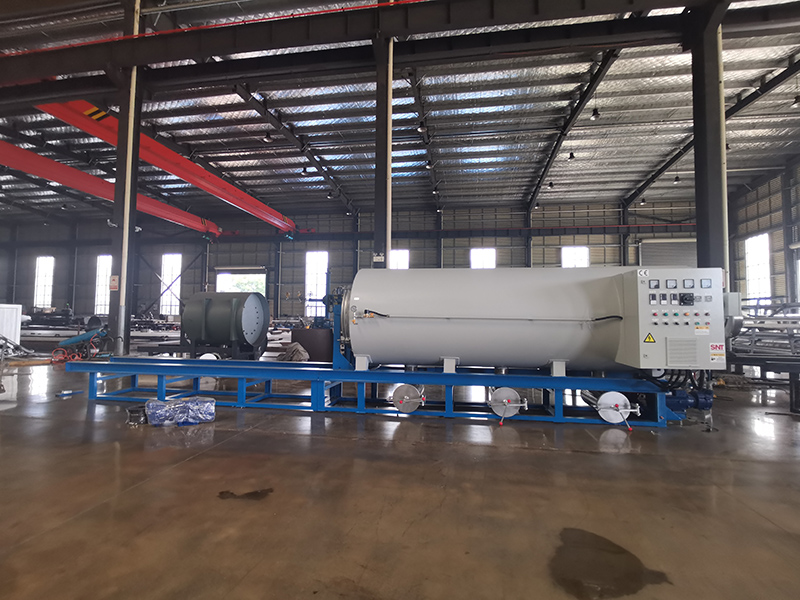
Daily Inspection Checklist for Screw Cleaning Furnace Maintenance
First-Round Inspection Before System Start
Look at the furnace chamber interior under good lighting. Check for leftover screw fragments, metal shavings, or cleaning media from the previous batch. These materials can create hot spots or cause arcing during the next heating cycle. Run a gloved hand along the chamber’s bottom surface to feel for gritty residue that might not be visible. A clean chamber floor ensures even heat distribution and prevents contamination of the next load.
Examine all door seals and gaskets for visible wear. Look for cracks, flattening, or areas where the material has become hard and brittle. Press on the seal with a blunt tool to check for elasticity; it should spring back, not remain compressed. A failing seal lets heat escape, reduces efficiency, and can be a safety risk. Wipe the sealing surface with a dry cloth to remove any loose debris that could prevent a tight closure.
Check fluid levels and connections. Inspect sight glasses on coolant reservoirs for proper levels and clarity. Look for any droplets or moisture around pipe fittings, valve stems, and pump connections. A single drop of oil or water on a dry fitting can be the first sign of a slow leak that will worsen under operational pressure. Verify that drain valves are fully closed and that any manual vent lines are in their correct position.
Mid-Operation Monitoring During Active Cycles
Listen to the furnace during its heat ramp-up phase. The sounds should be consistent with previous normal cycles—a steady hum from transformers, the smooth rush of airflow, and the distinct click of contactors engaging. A new buzzing, rattling, or high-pitched whine indicates a developing mechanical or electrical issue. Stand near different parts of the furnace to localize any unusual sound, as this helps pinpoint the source later.
Watch the control panel readings with a focus on patterns, not just numbers. Note the time it takes for each heating zone to reach its setpoint temperature. A zone that consistently lags behind the others by more than a few minutes suggests a failing heating element, a poor connection, or a sensor drifting out of calibration. Similarly, monitor the exhaust temperature gauge; a sudden spike can mean a blocked filter, while a gradual rise over several cycles points to general system fouling.
Observe the exhaust stream from a safe distance. The vapor should appear consistent in volume and color throughout the cycle. Brief white steam at startup is normal, but persistent smoke, sparks, or an unusual yellow or blue tint in the plume indicates something is wrong inside the chamber—often material that shouldn’t be there or a temperature exceeding the design limit. Any abnormal exhaust appearance is a clear signal to abort the cycle and investigate.
Post-Cycle Shutdown and End-of-Day Tasks
After the chamber cools below safe handling temperature, perform a quick internal wipe-down. Use a dry, lint-free cloth to remove any light film from the chamber walls. This daily habit prevents the buildup of tenacious carbonized layers that require aggressive chemical cleaning later. Pay special attention to the areas around thermocouple ports and sensor tips, where residue can directly affect temperature readings.
Test the functionality of one safety feature per day on a rotating schedule. One day, test the emergency stop button. The next, verify the door safety interlock by trying to start a cycle with the door slightly ajar. Another day, check the over-temperature alarm by temporarily setting a limit slightly below the operating temperature. This proactive approach ensures no single safety device sits unused for months, potentially failing when it’s needed most.
Document the day’s observations in a simple log. Note the number of cycles run, any unusual sounds or readings, the state of the chamber, and any minor adjustments made. This takes two minutes but builds a powerful historical record. A trend of slowly increasing amperage on a heating circuit, for example, is easy to spot in a log but nearly impossible to detect day-to-day. This log is the first place to look when troubleshooting a new problem.