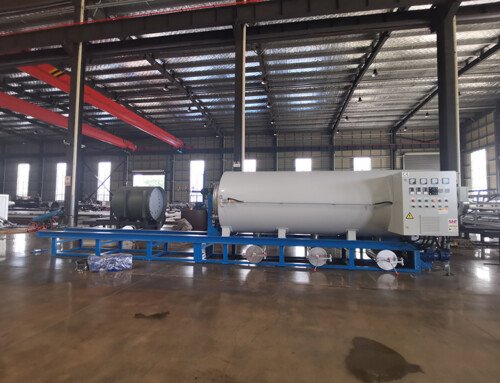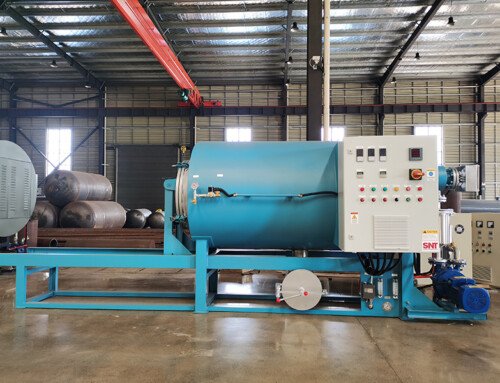
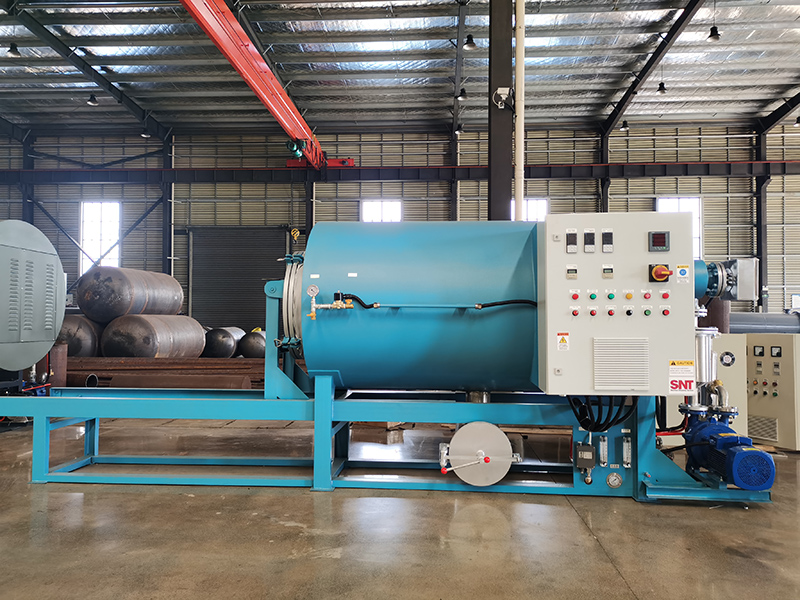
Controlled pyrolysis burn off oven systems have become a trusted standard for industrial metal parts cleaning, offering a reliable way to remove thick, stubborn organic coatings, polymer residues, and process buildup that cannot be easily eliminated with manual scraping, chemical soaking, or abrasive blasting. This process works by breaking down organic materials in a carefully regulated low-oxygen high-temperature environment, so the unwanted contaminants decompose without subjecting the base metal to uncontrolled thermal shock, flame damage, or harsh chemical exposure. When operated with proper procedural discipline, this method delivers consistent, thorough cleaning results even for complex, geometrically intricate metal components that trap residue in hard-to-reach gaps and internal cavities.
Pre-treatment part sorting and loading preparation
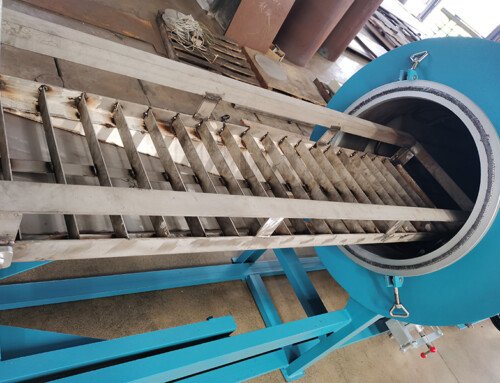
Before any metal parts are placed inside the chamber, sort all incoming components to separate thin, high-tolerance precision parts from heavy, thick steel or iron pieces that can withstand more aggressive thermal cycles, to ensure every batch receives a heat profile matched to its material properties. Remove any large, loose chunks of surface residue by hand before loading, to reduce the total volume of material that will decompose during the cycle and prevent unexpected spikes in fume output that can disrupt process stability. Arrange parts on dedicated support racks in a way that leaves open airflow gaps between every component, so hot circulating heat can reach all surfaces evenly without creating shadowed spots where trapped residue might not fully decompose. Document the total weight, part types, and primary contaminant type for every batch before starting the cycle, so you can reference this data later to refine process parameters for future similar cleaning jobs.
Regulated heating cycle execution and process monitoring
Start the cycle with a slow, gradual heat ramp that raises chamber temperature at a controlled, pre-defined rate, to avoid rapid thermal expansion that could create internal stress, warping, or micro-cracking in high-tolerance metal parts. Maintain the low-oxygen environment consistently throughout the primary decomposition phase, so organic materials break down through pyrolysis rather than uncontrolled open flame combustion, preventing localized hot spots that could discolor or damage the base metal. Keep real-time monitoring of chamber temperature, airflow, and exhaust conditions running for the full duration of the cycle, making small, incremental adjustments as needed to keep parameters within the safe, validated range for the specific batch of parts being processed. Once the main pyrolysis phase is complete, transition the system into a controlled oxidation stage that breaks down any remaining small residual organic fragments, ensuring no sticky, partially decomposed material is left clinging to part surfaces.
Post-cycle cool down and post-cleaning part handling
After the full thermal cycle finishes, initiate a slow, controlled cool down sequence that brings chamber temperature down gradually over an extended period, rather than venting in large volumes of cool ambient air to speed up the process. This slow cooling phase prevents rapid temperature contraction that could create thermal stress or distortion in metal parts that have tight dimensional tolerance requirements. Once parts have cooled down completely to a safe handling temperature, remove them from the chamber and perform a quick visual check to confirm all organic residue has been fully removed, leaving only a thin, harmless layer of inorganic ash that wipes away easily with a dry cloth or gentle air blast. Log all key cycle parameters, final part condition observations, and any minor adjustments made during the process, to build a growing reference library that makes every subsequent cleaning run more consistent and reliable over time.