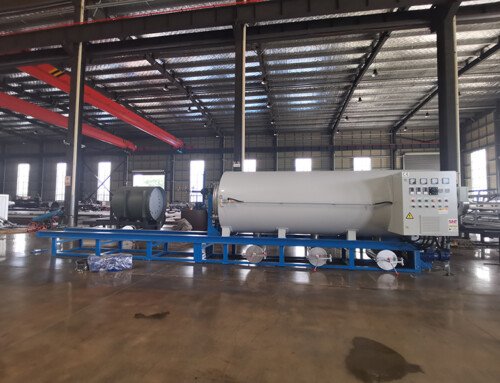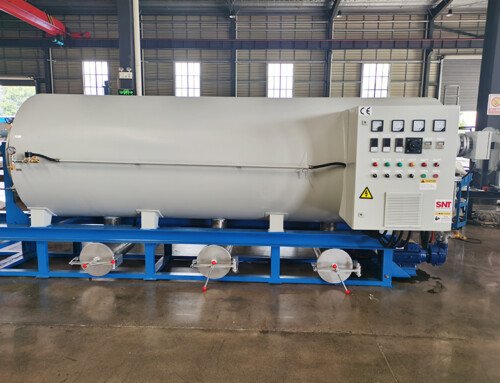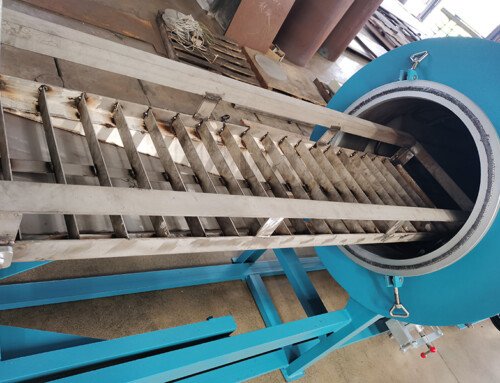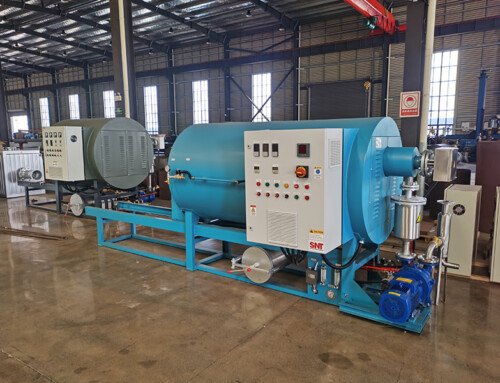
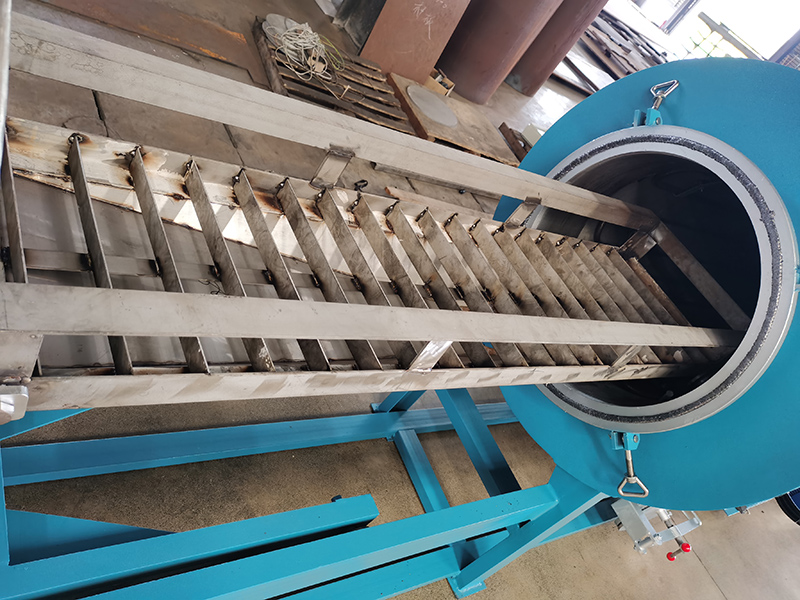
Screw cleaning furnaces operate under repeated high-temperature cycles to strip polymer residue, carbon buildup, and hardened process deposits from industrial extrusion and molding screws, and consistent operational stress gradually degrades critical components over time. Without a structured full-set operation and maintenance management system, unplanned furnace faults can disrupt cleaning schedules, leave production-critical screw components unavailable, and even create unnecessary safety risks on the workshop floor. This layered management framework helps maintenance teams keep the equipment running reliably, extend its service life, and ensure every cleaning cycle delivers consistent, predictable results.
Pre-Shift Daily Operational Inspection Routine
Every time an operator prepares to start a new cleaning cycle, they walk through a fixed sequence of checks before loading any workpiece into the furnace chamber. First, inspect the main sealing door, all access hatches, and gasket surfaces for leftover debris, carbon deposits, or compressed gasket deformation that could break the required low-seal environment during high-temperature operation. Confirm that all safety interlock switches on the door frame move freely and trigger the correct protective response when the door is opened unexpectedly mid-cycle, to eliminate uncontrolled oxygen ingress that can damage both the workpiece and furnace internals.
Check the pressure gauge and vacuum system indicators to confirm the unit can pull down to the required baseline vacuum level within the specified time window, before any heating elements are activated. Verify that all exhaust path filters are not clogged with fine carbon dust from previous cleaning runs, and that no residual flammable volatiles are left inside the chamber from the last unfinished cycle. Log every inspection result in the shift operation record, and mark any minor abnormal observations for follow-up, so small issues do not accumulate into major unplanned faults later.
Mid-Cycle Process Parameter Monitoring and Control
Once the cleaning cycle is initiated, operators track the full progression of temperature, pressure, and airflow parameters in real time through every segment of the pre-programmed heating curve. Confirm that the chamber temperature rises at the controlled ramp rate, and that no unexpected overshoot or sudden temperature drop occurs at any stage of the heating process. Watch the oxygen level readings closely to ensure the low-oxygen environment stays within the designed narrow range, as excessive oxygen concentration can cause uncontrolled burning on the workpiece surface and lead to permanent oxidation damage to the screw being cleaned.
Record the peak temperature, hold duration, and vacuum stability data for every completed cleaning cycle, and cross-reference these values against the standard process baseline. If the system shows consistent deviations such as slower temperature rise, longer vacuum pull time, or higher than normal oxygen readings across multiple cycles, flag these trends for deeper maintenance assessment before the next high-priority workpiece is scheduled for cleaning. Never leave the operating furnace unattended during the high-temperature peak holding phase, so operators can respond immediately to any unexpected parameter drift or alarm trigger.
Scheduled Periodic Deep Maintenance and Calibration
At fixed intervals based on total operating hours and cycle count, perform a full shutdown deep maintenance procedure that covers every critical component of the full furnace system. Power down all main power supplies, follow all site lockout-tagout safety protocols, and open the chamber to remove all loose carbon dust, ash residue, and leftover polymer debris that has accumulated on heating elements, thermal insulation layers, and chamber inner walls. Inspect the heating element surfaces for signs of oxidation, cracking, or uneven wear, and confirm that all temperature sensor probes are seated securely and free from thick carbon buildup that would skew their reading accuracy.
Calibrate every temperature sensor, pressure transducer, and oxygen monitoring probe against traceable reference standards, to eliminate gradual measurement drift that can make the entire cleaning process run outside the designed safe and effective parameter range. Inspect all vacuum pump seals, exhaust system valves, and air supply pipelines for signs of wear, leakage, or blockage, and perform the required lubrication and part conditioning work specified in the equipment’s official technical documentation. After completing all maintenance work, run a full empty-chamber test cycle to verify that all parameters return to their normal baseline range, before putting the furnace back into regular production service.