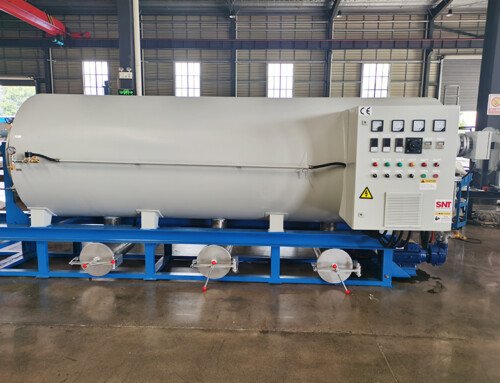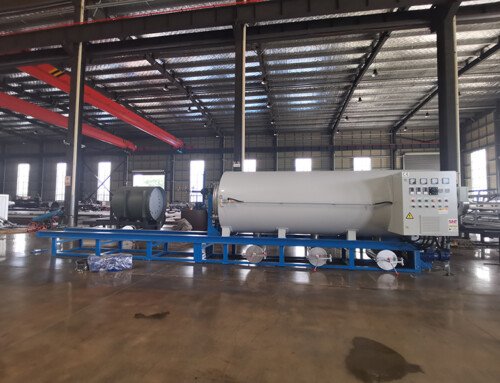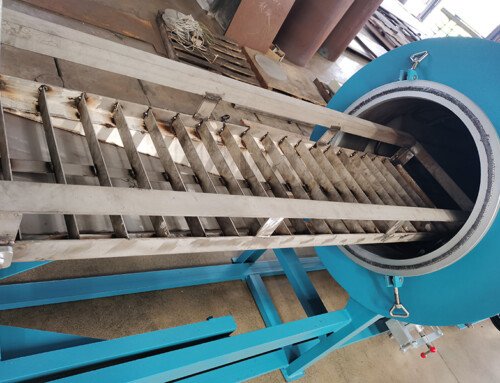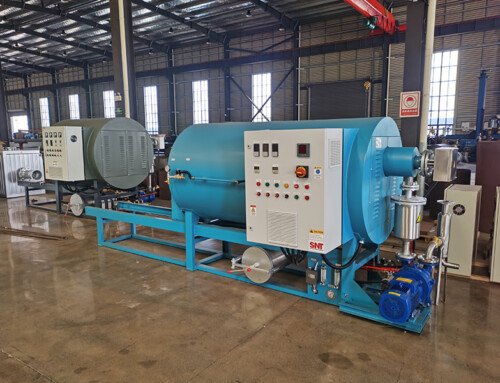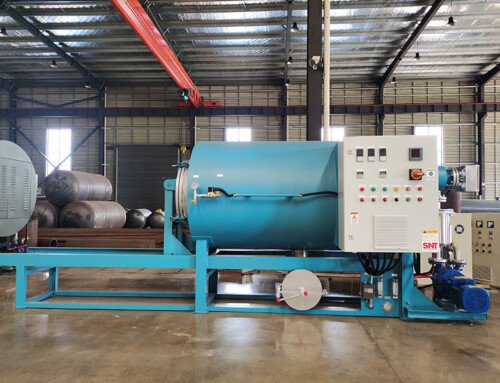
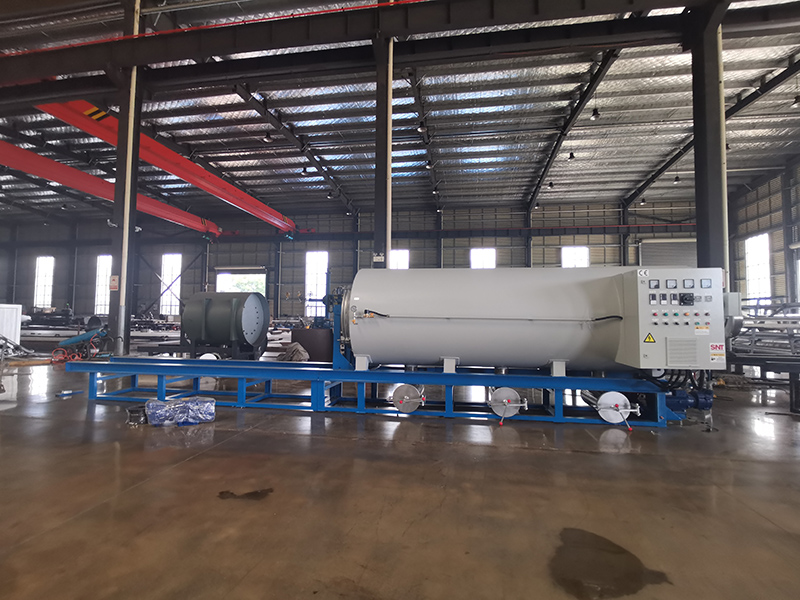
Screw cleaning furnaces operate at sustained high temperatures, often processing residual polymer and organic material that can release flammable vapors when heated beyond specific thresholds. Without strict operational discipline, these vapors can accumulate inside the furnace chamber or exhaust path, creating fire and explosion risks that threaten personnel safety and facility integrity. Following structured fire and explosion prevention precautions during every phase of operation keeps these hazards fully controlled and maintains a safe working environment across long production cycles.
Pre-Operation Hazard Assessment and Pre-Startup Safety Checks
Before any heating cycle begins, operators must inspect the entire furnace chamber and internal screw surface to remove any large accumulations of leftover material that have built up from previous runs. Thick, caked layers of aged organic residue can ignite at much lower temperatures than clean processing material, and they release far larger volumes of flammable vapor in a very short period once heated past their decomposition point. Clearing these deposits before every new cycle prevents unexpected vapor spikes that could overwhelm exhaust ventilation capacity.
All ventilation and exhaust flow paths must be fully verified as unobstructed before heat is applied. Blocked exhaust ducts or clogged filter elements trap flammable vapors inside the furnace, allowing concentration levels to steadily rise toward the lower explosive limit. Operators should confirm exhaust fan rotational speed and airflow pressure readings fall within the normal specified range, ensuring any generated vapors are immediately carried away and diluted to completely safe concentration levels.
Fire suppression system nozzles positioned near the furnace chamber and exhaust outlet should also be visually inspected to confirm no physical blockages or damage have occurred since the last operating shift. All nearby manual fire protection equipment must be positioned in clear, unobstructed locations that are easily accessible from the normal operator working position, with no stacked materials or obstacles blocking the direct access path.
Temperature Control and Vapor Concentration Management During Operation
Heating ramp-up speed must be controlled at a gradual, steady rate, rather than jumping directly to maximum operating temperature from cold conditions. A sudden sharp temperature rise can cause large amounts of residual material to decompose and release flammable vapors faster than the exhaust system can remove them, creating temporary localized over-concentration that creates explosion risk. Slow staged heating allows vapor generation to stay at a controlled, manageable rate that matches the capacity of the ventilation system.
Operators must continuously monitor internal furnace temperature and exhaust gas temperature across the entire cleaning cycle. Any unexpected rapid temperature rise that deviates from the normal heating profile is an early warning sign of unexpected exothermic decomposition inside the chamber. At the first sign of this abnormal condition, heat input should be immediately reduced, and exhaust airflow should be increased to clear accumulated vapors before any self-sustaining combustion can begin.
No flammable solvents, cleaning agents, or unrelated organic materials should ever be placed within the operating zone around the screw cleaning furnace. Even small spills of low flash point liquid near high-temperature external surfaces can ignite unexpectedly, creating external fires that spread to connected piping or electrical components. Maintaining a clear, dedicated work zone free of unrelated combustible materials eliminates this unnecessary secondary fire risk.
Post-Operation Shutdown and Residual Hazard Elimination
After the cleaning cycle completes, operators must keep the exhaust ventilation system running for an extended period before initiating full shutdown. This continues to remove all remaining residual flammable vapors while the system cools down, preventing trapped vapors from cooling and condensing inside exhaust ducts where they could form combustible deposits that create hazards during the next start-up cycle.
The screw and internal furnace surfaces should never be left at high temperature in a static, non-rotating state for extended periods after processing ends. Localized overheating of leftover residual material can create hidden smoldering spots that are not visible to operators, and these can ignite suddenly when fresh air enters the chamber during the next maintenance access. Running slow rotation for an appropriate cool-down period distributes residual heat evenly and prevents these hidden smoldering conditions from developing.
Once the entire system has cooled down to near ambient temperature, a thorough internal inspection should be performed to remove all fine dust and carbonized residue that has collected on chamber walls and exhaust path surfaces. These accumulated fine particles are highly combustible, and they can act as fuel sources that turn a small initial fire into a much more serious incident. Consistent post-cycle cleaning removes this leftover fuel load and keeps the entire system in a safe state ready for the next operation.