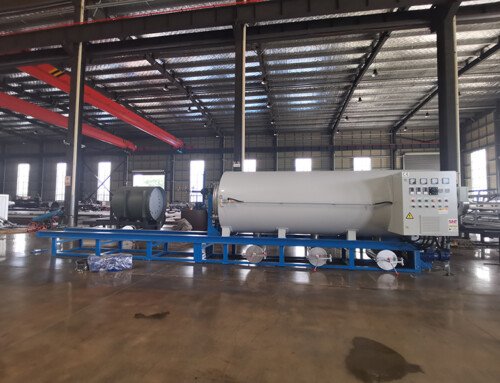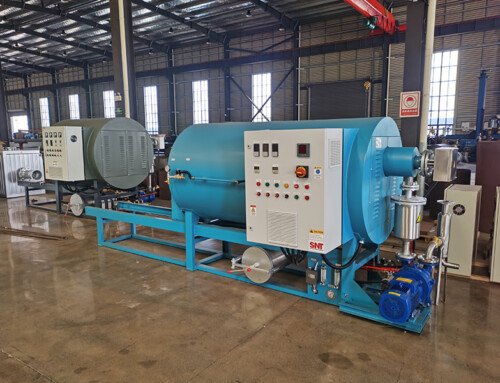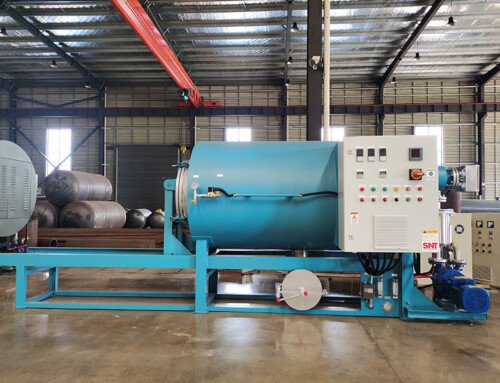
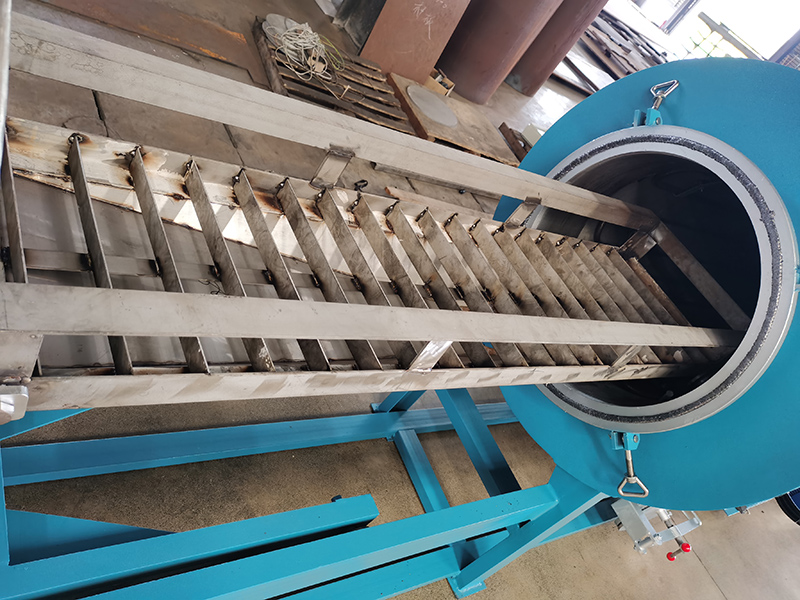
Improper operation of high-temperature industrial cleaning systems creates avoidable safety risks that can lead to accidental burns, pressure release incidents, and exposure to hazardous decomposed organic fumes. Even experienced plant staff can overlook subtle, easy-to-miss hazards if they skip basic pre-operation checks or cut corners on routine safety protocols. Mastering foundational safety knowledge for these systems ensures every cleaning cycle runs smoothly, without putting personnel or nearby equipment at unnecessary risk.
Pre-Operation System Integrity Verification
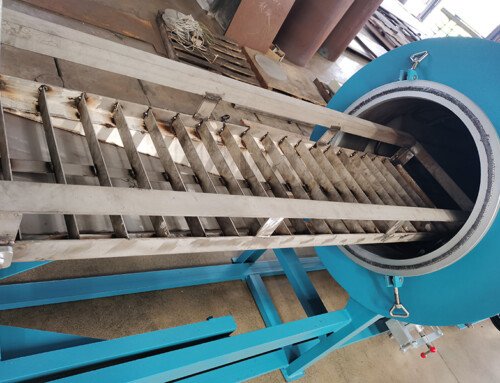
Before initiating any full cleaning cycle, walk through a structured, point-by-point inspection of every critical safety-related component on the unit. Start with the access door sealing structure, confirming that all locking latches engage fully, the high-temperature seal sits evenly along the entire door flange, and there are no visible cracks, hardening spots, or compressed gaps that could compromise a tight, pressure-tight seal during operation. Even a tiny gap in the door seal can allow superheated air and toxic fumes to leak out once the system reaches operating temperature.
Next, inspect all pressure relief and over-temperature protection components, confirming that none of these critical safety devices have been bypassed, blocked, or modified in any way. Check that pressure sensors move freely and show a consistent, stable baseline reading at ambient conditions, and verify that temperature sensing probes sit firmly in their designated mounting positions, with no loose wiring or corrosion that could cause inaccurate temperature readings during the heating cycle.
Check all exhaust and filtration system paths for blockages, making sure there are no accumulated residual carbon deposits or plastic debris that could restrict gas flow as the system heats up. A blocked exhaust line creates unexpected internal pressure spikes that trigger unnecessary safety shutdowns, or in worst cases, push unfiltered high-temperature fumes back into the work area.
Personal Protective Equipment and Work Zone Preparation
Every person working near the operating zone must be equipped with the correct set of personal protective gear matched to the specific hazards of the cleaning process. Heat-resistant gloves rated for direct contact with surfaces far hotter than the maximum system operating temperature are non-negotiable, as even short accidental contact with the furnace exterior can cause severe burns if the unit has been running for several hours. Safety goggles with side shields protect eyes from stray hot gas leaks, fine particulate debris, and accidental splashes when handling freshly cleaned hot components.
Clear the entire 2-meter perimeter around the unit of all flammable materials, loose cardboard, plastic packaging, and unused cleaning tools before starting a cycle. Mark this work zone with clear physical barriers and visible warning signage to prevent unrelated plant personnel from wandering into the high-risk area while the system is at operating temperature. Make sure at least two separate, easily accessible fire extinguishers rated for electrical and Class B fire risks sit within quick reach of the work zone, and confirm all staff on shift know exactly how to use them correctly.
Never allow any part of loose clothing, long hanging hair, or flexible work gloves to come into contact with ventilation fans, rotating pump shafts, or other moving mechanical parts on the system. Tie back all loose items securely before starting work, to eliminate the risk of entanglement that could pull personnel into operating equipment.
Standard Operating Cycle Safety Protocols
Follow a strict, stepwise startup sequence every single time you run a cleaning cycle, never skipping stages to cut down total process time. Always activate the vacuum or exhaust system first, and confirm stable negative pressure is achieved inside the chamber before you enable any heating elements. This prevents pockets of volatile organic vapors from building up at atmospheric pressure while the system heats up, eliminating the risk of unexpected flash ignition inside the chamber.
Never leave the system completely unattended during the active heating and high-temperature holding phase. Assign a dedicated, trained operator to monitor the system’s temperature and pressure readings at regular 15-minute intervals, and log these values in a running operational record. This practice lets you spot small, abnormal deviations in temperature rise rate or vacuum level long before they develop into serious safety incidents.
If any safety interlock triggers an automatic emergency shutdown during the cycle, do not attempt to reset the system and restart the process immediately. Pause the full sequence, let the unit cool down gradually, and perform a full inspection to identify the exact root cause of the trip. Only resume operation once you have confirmed the underlying issue is fully resolved, and all safety systems are functioning normally again.
Post-Cooling Component Removal and Residue Disposal
Even after the heating elements shut off, the internal chamber and cleaned components retain extremely high residual heat for hours, so never attempt to open the main access door until the system temperature drops below 60°C. Rushing this cooling step creates two major hazards: sudden influx of fresh oxygen into a superheated chamber can cause unexpected flash combustion of residual hot carbon, and releasing high-temperature trapped air can blow outward and scald anyone standing near the door.
When you do open the door, stand to the side of the access panel rather than directly in front of it, so any small amount of residual hot air that escapes flows past you rather than directly into your face. Use long, heat-rated removal tools to pull cleaned components out of the chamber, and set them down on a dedicated high-heat refractory work surface, never directly on plastic workbenches, wooden pallets, or near any flammable materials.
Collect all fine powdery residual debris removed from the chamber after cleaning in a sealed, non-combustible metal container. Many of these residual carbon and plastic dust deposits are still pyrophoric when hot, and can reignite spontaneously if dumped directly into an open plastic waste bin. Seal the container fully and move it to a designated outdoor waste storage area once all contents have cooled completely to ambient room temperature.
Routine Safety Maintenance and Staff Training
Set up a recurring, documented inspection schedule for every safety-critical component on the system, running full functional tests on pressure relief valves, over-temperature cutoffs, and interlock switches at predefined regular intervals. Replace any component that shows signs of wear, calibration drift, or performance degradation immediately, rather than running the system with a known compromised safety device just to finish a single cleaning cycle.
Document every minor safety incident, near-miss event, and unexpected system trip in a shared operational log, and hold short, regular team review sessions to walk through these events with all operating staff. This shared knowledge prevents the same small preventable mistakes from being repeated by different team members, and builds a strong safety culture where no one hesitates to pause operation if they spot something that does not look right.
Make sure every new operator completes a full hands-on supervised training period, running at least three full cleaning cycles under direct experienced supervision before they are allowed to operate the system independently. Never let untrained temporary staff or outside contractors run the system without full, documented training on all local site safety rules and specific hazard points for that exact unit.