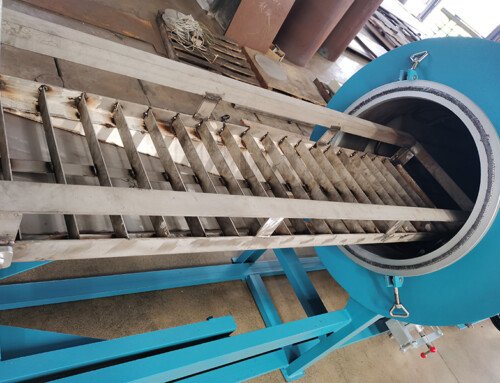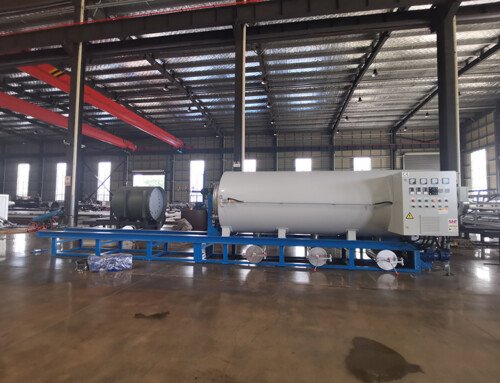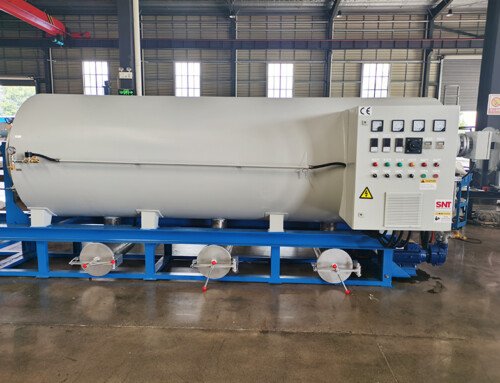
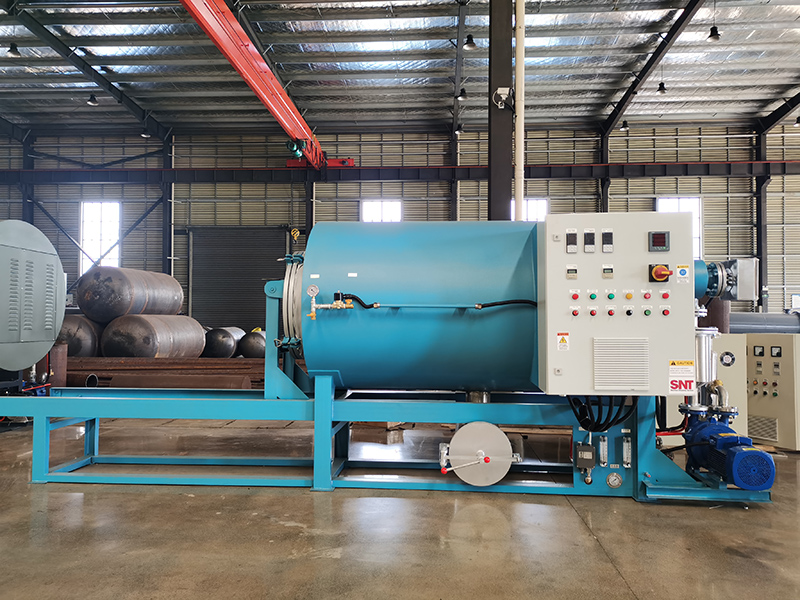
Stripping layers of cured paint, epoxy, and other tough organic buildup from reusable paint fixtures can easily turn into a messy, labor-intensive bottleneck in any finishing workflow. Manual scraping, chemical baths, and abrasive media blasting all risk damaging the precision hanging points, thin metal hooks, and fine structural details that make these fixtures work properly. An electric burn off oven built for this task uses evenly distributed, controlled electric heat to break down accumulated coating material without open flames, turning it into fine, easily removable ash that leaves the underlying metal fixture completely intact and ready for reuse.
Maintain uniform chamber heat to avoid fixture warping and incomplete stripping
The biggest advantage of an electric burn off setup is its ability to spread consistent, even heat across every corner of the stripping chamber, eliminating the hot spots and cold zones that often lead to inconsistent results. When every section of the oven holds the exact same target temperature, there is no risk of a thin metal hook getting exposed to far more heat than it can handle, or a thick section of a heavy rack staying too cool to fully break down the thick, caked-on paint layered on its surface. You never have to worry about direct flame impingement scorching or weakening the metal, because the heat radiates evenly from all sides of the chamber. This lets you safely process even delicate, precision-machined fixtures that would warp or lose their shape in systems with uneven, uncontrolled heat output, and ensures every single piece comes out with all old paint fully decomposed, no sticky half-stripped residue left behind.
Structure a two-phase temperature sequence for clean, low-fume processing
A properly designed stripping cycle for electric systems does not jump straight to maximum heat the moment you load your fixtures and close the door. It opens with a slow, gradual heat ramp that holds the chamber at a moderate initial temperature, giving the lighter, more volatile components of the cured paint time to vaporize slowly and evenly. This prevents sudden, uncontrolled bursts of thick smoke that can overwhelm exhaust handling systems, and eliminates the risk of pressure spikes that can happen when thick layers of old paint heat up all at once. Once this low-temperature phase runs for its full scheduled duration, the system ramps up to the final target stripping temperature, holding it steady for several hours to make sure even the oldest, most heavily layered paint breaks down completely. Many setups pair this phase with a secondary high-temperature afterburner step that fully incinerates any remaining fumes, converting them into harmless water vapor and carbon dioxide before they exit the exhaust stack, so the process stays far cleaner and far less disruptive to your surrounding work area.
Follow daily and weekly upkeep routines to keep long-term performance reliable
Simple, consistent maintenance habits are the easiest way to make sure your electric burn off oven delivers consistent stripping results for years of heavy, daily use. After every cycle, once the chamber cools down to a safe handling temperature, sweep out all the fine ash that accumulates on the chamber floor and around the heating elements, so loose debris does not build up and block even heat distribution over time. Inspect the door gasket on a regular schedule to confirm it still forms a tight, heat-sealed barrier, and replace it immediately if you spot any cracking, hardening, or gaps that could let hot air or fumes leak out into your facility. Calibrate the temperature monitoring system at set intervals to confirm it is reading accurate chamber temperatures, so you never accidentally run a cycle far hotter than your target range, which could damage your fixtures, or far cooler, which would leave old paint partially intact. These small, repeatable steps prevent unexpected mid-cycle failures, reduce unplanned downtime, and keep your stripping workflow running smoothly without constant, unnecessary troubleshooting.