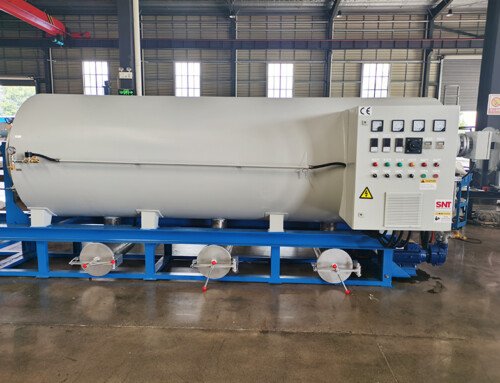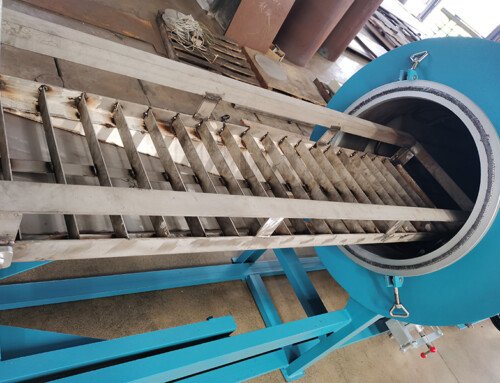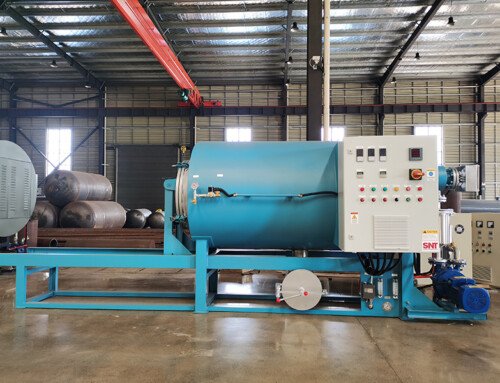
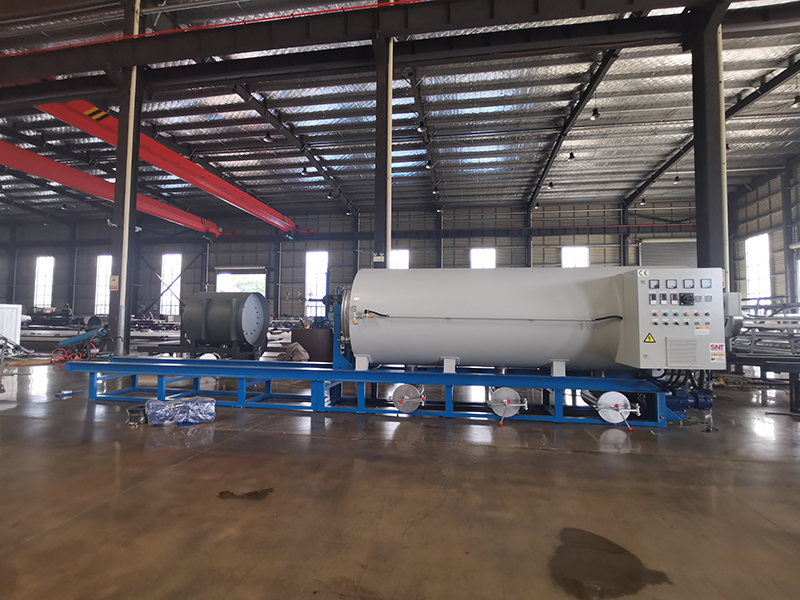
Burn off oven systems deliver a reliable, non-abrasive thermal cleaning solution for removing stubborn rubber residue from metal tooling, production parts, and processing equipment surfaces. Rubber material, once vulcanized and cross-linked during high-temperature molding or extrusion operations, forms a dense, elastic residue that adheres tightly to metal and resists most conventional manual cleaning methods. Over repeated production cycles, layers of accumulated rubber residue can build up on mold surfaces, die openings, and processing fixtures, causing part surface defects, dimensional inaccuracies, and uneven material flow that disrupts consistent production output. The thermal cleaning approach breaks down this organic rubber residue under strictly controlled temperature and atmospheric conditions, eliminating the need for labor-intensive scraping, harsh chemical soaking, or aggressive abrasive blasting that risks damaging high-precision metal surfaces.
Staged Temperature Profiling for Controlled Rubber Decomposition
Effective rubber residue thermal cleaning depends on carefully staged temperature programming that aligns with the unique thermal breakdown characteristics of vulcanized rubber compounds. The process begins with a low-temperature preheating phase that slowly softens the rubber residue, driving out any trapped moisture, residual processing oils, and low-molecular-weight rubber additives without causing sudden bubbling, smoking, or uncontrolled melting. As the temperature rises gradually into the main decomposition range, the cross-linked rubber polymer structure breaks down step by step, first converting into a low-viscosity liquid phase before moving into full oxidative breakdown that turns most of the organic material into gaseous byproducts. This slow, controlled heating profile prevents the rubber from melting and re-solidifying into a hard, carbonized layer that would stick stubbornly to the metal surface, ensuring nearly all organic residue is fully decomposed rather than partially charred onto the part.
Precision Metal Surface Preservation for Critical Tooling
One of the most valuable benefits of using a burn off oven for rubber residue removal is its ability to leave delicate, high-tolerance metal surfaces completely undamaged after full cleaning. When maximum operating temperatures are calibrated to stay well below the tempering point, phase transition threshold, or softening temperature of tool steels and precision metal substrates, the process will not cause surface oxidation, microstructural changes, or subtle dimensional warping that could ruin finely machined mold cavities, polished die surfaces, or tight-tolerance extrusion components. This makes the method ideal for high-value rubber molding tooling that carries fine surface textures, intricate vent slots, and precision machined sealing edges that would be easily scratched or eroded by abrasive blasting. Unlike aggressive chemical strippers that can selectively etch certain metal alloys or discolor polished surfaces, the properly regulated thermal process leaves the original metal surface geometry, surface finish, and critical dimensional tolerances fully intact, so the cleaned tool can be put directly back into production without additional refinishing work.
Process Consistency for High-Volume Industrial Maintenance Workflows
Burn off oven systems for rubber residue thermal cleaning deliver repeatable, consistent performance that integrates smoothly into regular industrial equipment maintenance schedules. Once a validated thermal profile is established for a specific type of rubber residue and metal substrate, the exact same cleaning sequence can be run batch after batch, producing identical cleaning results without requiring skilled manual labor to monitor every cycle. This eliminates the variability that comes from manual cleaning operations, where different technicians can produce widely different results depending on their experience and technique. The small volume of light, dry inorganic ash left behind after full rubber decomposition can be removed with nothing more than low-pressure air blowing or gentle water rinsing, eliminating the messy waste streams, spent chemical solutions, and contaminated abrasive media associated with alternative cleaning methods. This level of operational consistency helps industrial facilities reduce tooling rework time, cut unplanned production downtime, and extend the usable service life of their high-value rubber processing equipment.